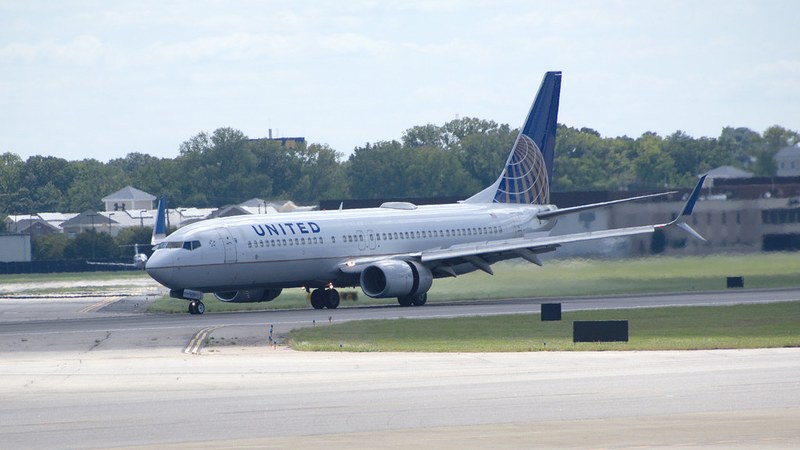
Chicago O’Hare International Airport recorded 1,055 flight delays and 175 cancellations on September 17, 2026, following an FAA-imposed ground stop lasting nearly two hours. The Federal Aviation Administration initiated the ground stop due to thunderstorm activity moving through the Chicago region, causing average ground delays of 126 minutes at the airport.
Airlines and Comparisons with Previous Disruptions
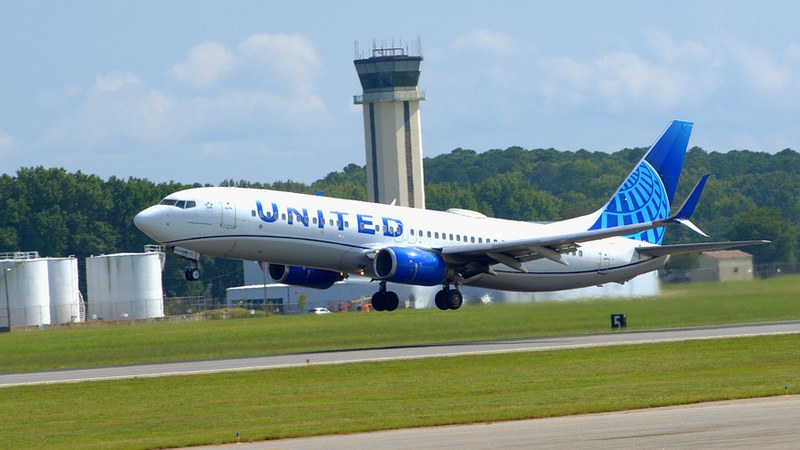
United Airlines and American Airlines, both of which use O’Hare as a primary hub, experienced significant operational disruption. Southwest Airlines reported 893 delayed flights nationally on the same day, with a considerable portion attributed to its Chicago-area operations. Regional carriers including SkyWest Airlines, Republic Airways, and Envoy Air also
faced delays linked to the O’Hare weather event.
The September 17 disruption was substantially larger than earlier 2026 events at O’Hare, with July 2026 seeing 326 delays and 18 cancellations, and mid-June recording 257 delays and 7 cancellations. The delays on September 17 were roughly three to four times higher than these previous notable disruptions. Concurrently, other major US airports such as Chicago Midway, Boston Logan, San Francisco, and Philadelphia also experienced delays tied to similar weather conditions.
Traveler Impact and Refund Policies
The combined total of delays and cancellations at O’Hare on September 17 affected 1,230 flights, leading to numerous missed connections and extended
waits for rebooking. Passengers faced prolonged gate waits and overnight accommodations as crews and aircraft were displaced from their scheduled positions, extending disruptions into the following day’s operations.
Passengers on canceled flights are entitled to full refunds to their original form of payment without restrictions or voucher requirements, according to U.S. Department of Transportation rules. For delays caused by thunderstorm-driven FAA ground stops, compensation under DOT rules for controllable delays does not typically apply. Additionally, domestic flights subject to tarmac delays of three hours or more have passenger rights to deplane except in limited safety-related exceptions.
Meteorological and Operational Factors at O’Hare
O’Hare’s location subjects it
to weather systems from cold fronts advancing south from Canada, moisture traveling north from the Gulf of Mexico, and lake-effect instability from Lake Michigan. This convergence complicates precise forecasting of storm activity that affects the airport. FAA enacts traffic management restrictions during active storm cell passages to maintain safe aircraft spacing, which reduces hourly movements at the already congested hub and causes backlog accumulation that can persist after weather clearance.
Travel Recommendations for Residual Disruption
Travelers with upcoming flights through Chicago O’Hare are advised to expect ongoing delays and residual disruption even in the absence of new storms. Airlines recommend favoring morning departures where possible,
as afternoon and evening schedules tend to inherit prior backlogs. Passengers with canceled flights from September 17 should contact their airlines directly instead of assuming automatic rebooking. Building additional buffer time for connections involving O’Hare is also advised to accommodate potential delays.