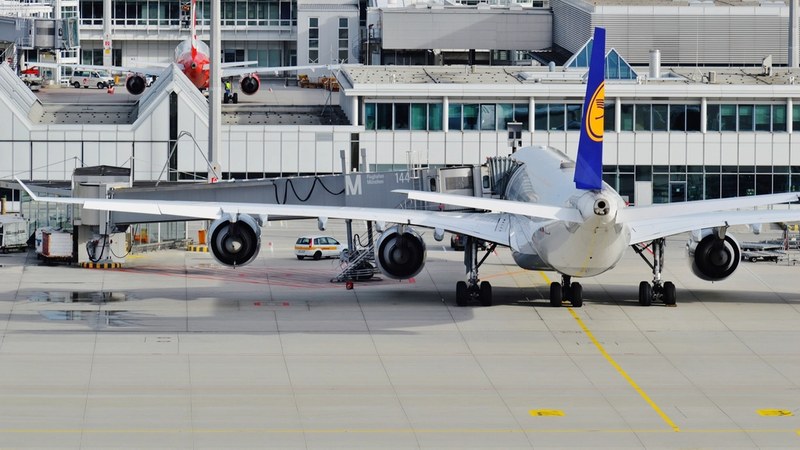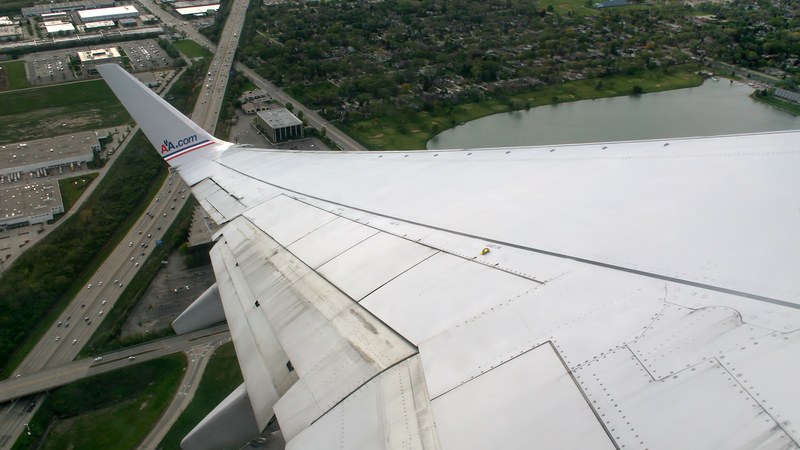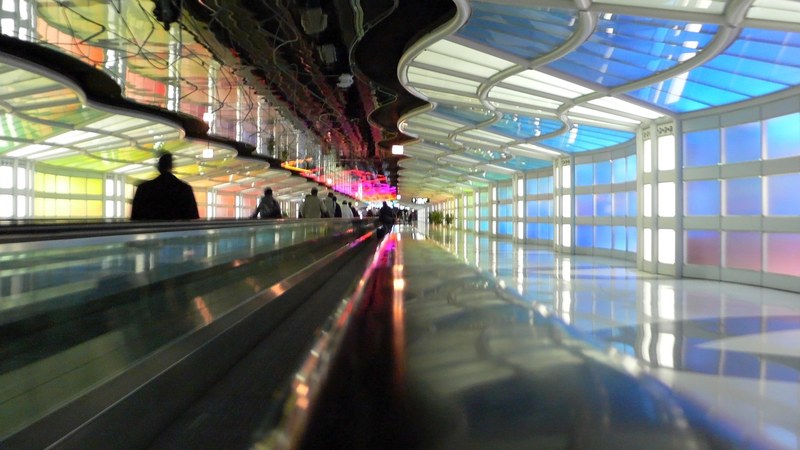
Chicago O’Hare International Airport recorded 1,055 flight delays and 175 cancellations on September 17, 2026. The Federal Aviation Administration (FAA) imposed ground delays averaging 126 minutes due to thunderstorm activity affecting the Chicago region.
Airlines Impacted and Disruption Scale
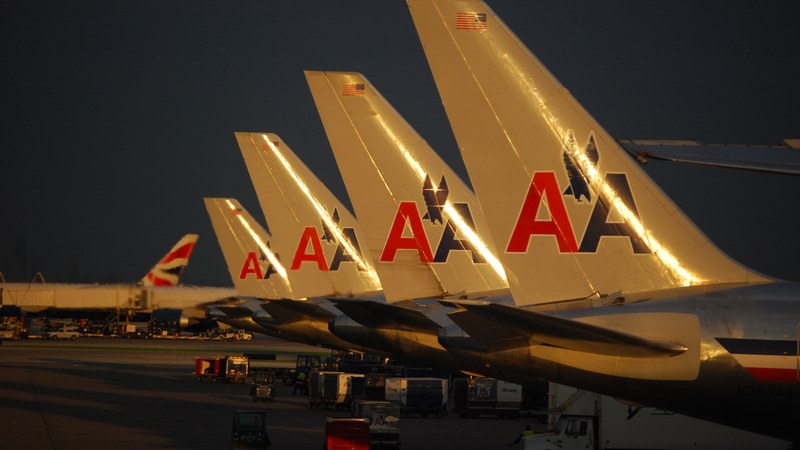
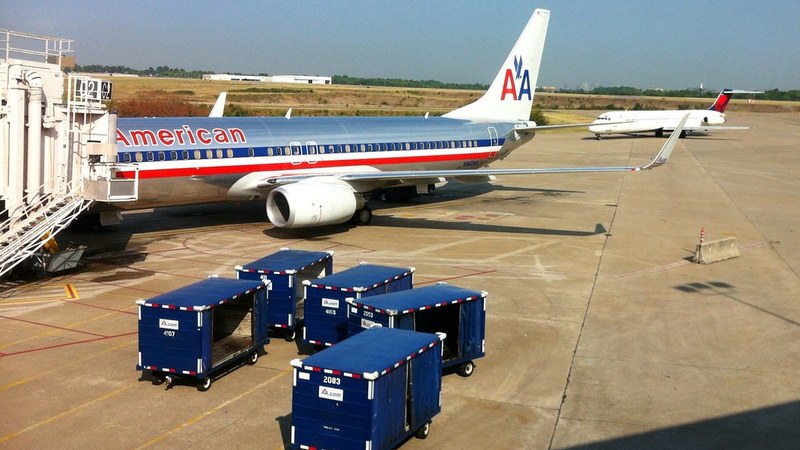
Major carriers United Airlines and American Airlines, both of which use O’Hare as a primary hub, experienced significant operational disruptions. Southwest Airlines noted 893 delayed flights across the country on the same day, with a substantial portion connected to its Chicago operations. Regional carriers including SkyWest, Republic Airways, and Envoy Air also reported delays and cancellations linked to the O’Hare weather event.
The volume of delays
and cancellations on September 17 was roughly three to four times higher than previous disruption days at O’Hare in 2026. Earlier in the year, the airport recorded 326 delays and 18 cancellations in July, and 257 delays with 7 cancellations in mid-June, marking the September event as an extraordinary outlier.
Passenger Disruption and Rights
Thousands of travelers faced missed connections and lengthy waits in gate areas while airline staff managed rebooking requests. Flight cancellations on the day entitled affected passengers to full refunds to their original payment method, as mandated by U.S. Department of Transportation (DOT) regulations.
Thunderstorm-driven ground delays are classified as outside
airline control, meaning passengers typically are not eligible for additional compensation for delays under DOT guidelines. Domestic passengers held on the tarmac have the right to deplane after three hours, subject to limited safety exceptions.
Factors Behind the Disruption
The FAA enforced a ground stop and traffic management restrictions at O’Hare to maintain safe aircraft spacing during thunderstorm activity in the Chicago area. O’Hare’s geographic position exposes it to complex weather patterns including cold fronts from Canada, moisture from the Gulf of Mexico, and lake effects from Lake Michigan that complicate forecasting and can intensify storms.
The airport’s high volume schedule amplifies the impact
of FAA-imposed ground delays. With fewer aircraft movements allowed per hour, the operation quickly developed a backlog that took hours to resolve even after the thunderstorms subsided.
Traveler Recommendations for Post-Disruption Travel
Passengers are advised to monitor their flight status before traveling due to residual delays expected even after the weather event. Morning departures are preferable as later flights are more likely to inherit backlog delays. Those with cancelled flights should contact their airline directly to confirm rebooking options rather than assuming automatic reassignment.
Travelers routing through O’Hare should allow extra time for connections to account for ongoing ripple effects from the disruption.