Chicago O’Hare International Airport experienced 1,055 flight delays and 175 cancellations on September 17, 2026. The Federal Aviation Administration (FAA) implemented a ground delay program that day, causing flights to face an average delay of 126 minutes.
Thunderstorm activity moving through the Chicago region was the main cause behind the FAA’s ground delay program at O’Hare. This program restricted aircraft movements to maintain safe spacing around active storm cells, leading to substantial delays.
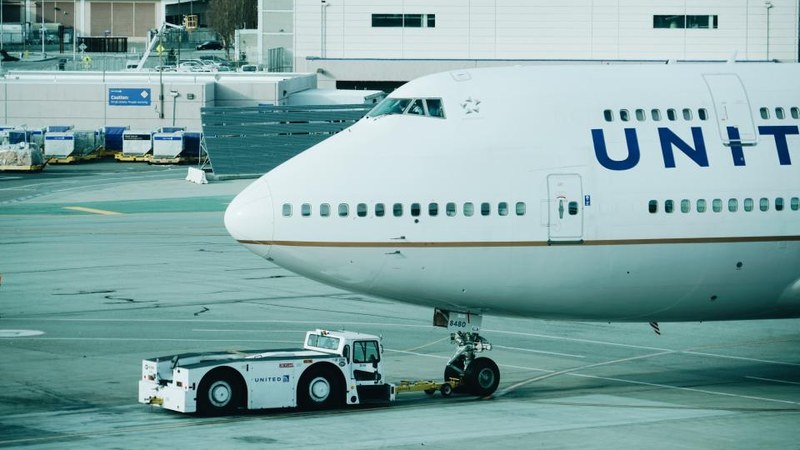
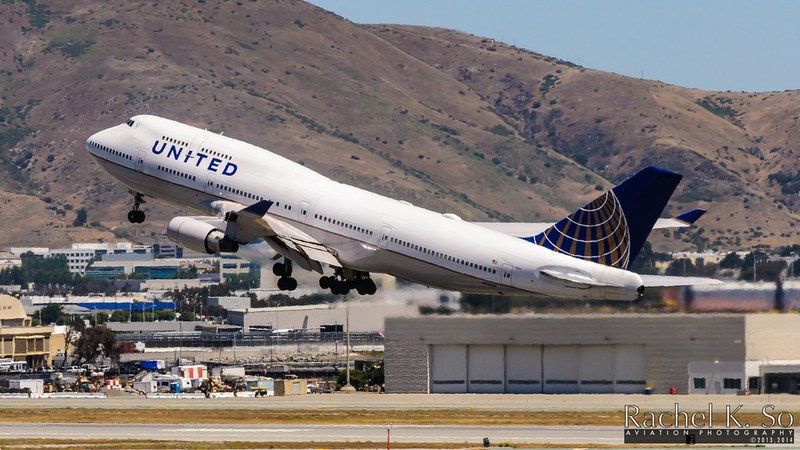
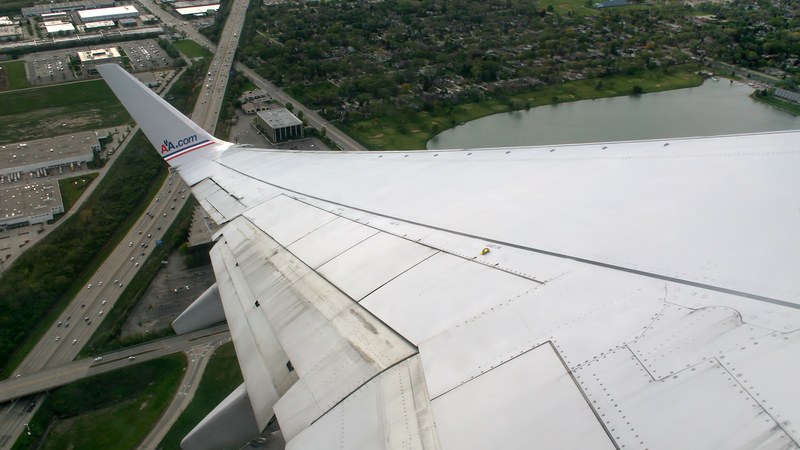
United Airlines and American Airlines, both of which use O’Hare as primary hubs, encountered major disruptions. Southwest Airlines reported 893 delayed flights nationwide on September 17, with
a significant portion linked to Chicago-focused operations. Regional carriers SkyWest Airlines, Republic Airways, and Envoy Air also faced delays associated with the O’Hare weather event. Passengers affected by cancellations were entitled to full refunds to their original payment methods without vouchers, while domestic flights delayed on the tarmac for three or more hours had the right to deplane, subject to safety exceptions.
O’Hare’s geographic location contributes to its vulnerability during weather events. The airport frequently faces weather systems from Canada, moisture-rich air from the Gulf of Mexico, and lake-effect instability from Lake Michigan. These combined meteorological influences make forecasting challenging
and fuel conditions for rapid storm development around the airport.
Given O’Hare’s role as a major connecting hub, delays and cancellations cause ripple effects across the national network. Passengers experienced missed connections requiring overnight rebooking and encountered long waits at gate counters as airlines processed rebookings. Aircraft and crews ended the day out of position, extending disruption into the following morning.
The disruption on September 17 outpaced previous events this year at O’Hare. Earlier disruptions in July 2026 resulted in 326 delays and 18 cancellations, while a mid-June event produced 257 delays and 7 cancellations. Other airports affected on the
same day included Chicago Midway, Boston Logan, San Francisco, and Philadelphia.