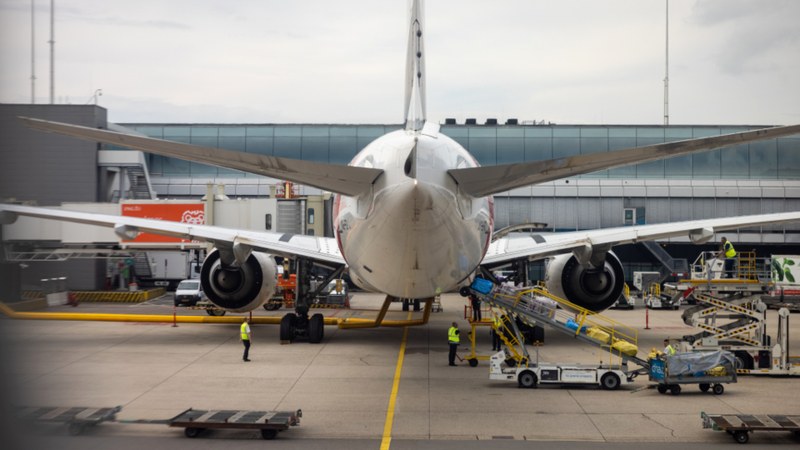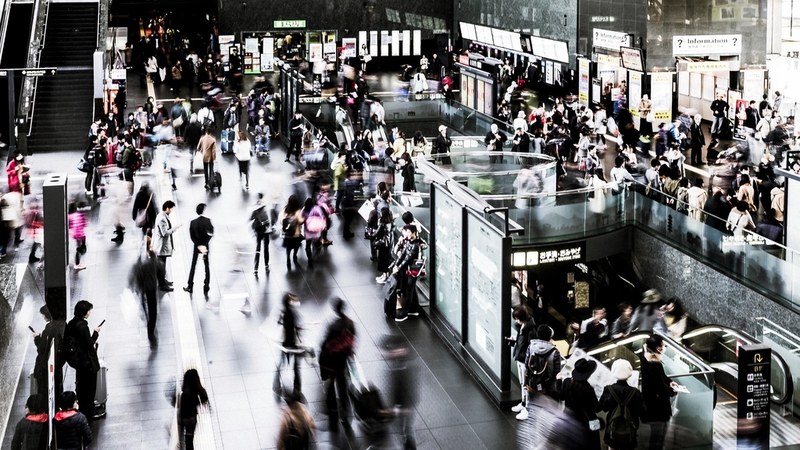
Chicago O’Hare International Airport experienced 1,055 flight delays and 175 cancellations on September 17, 2026, according to FlightAware data recorded at 1:41 PM ET. The Federal Aviation Administration (FAA) reported that the average ground delay at the airport was 126 minutes due to active thunderstorm activity in the region.
Impact on Airlines at O’Hare
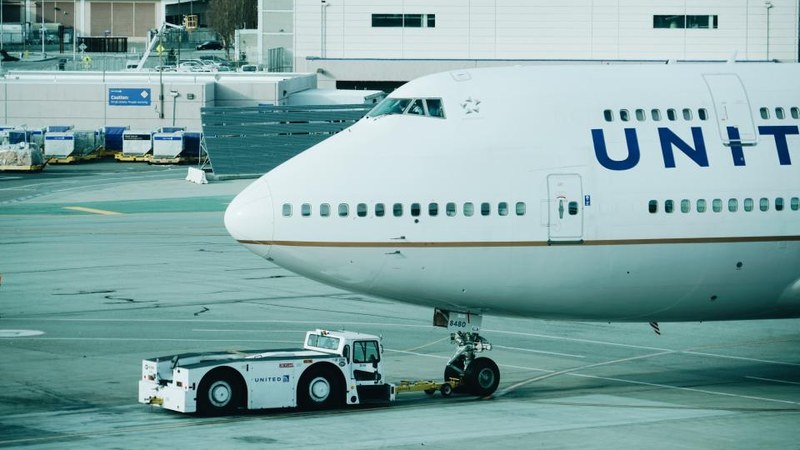
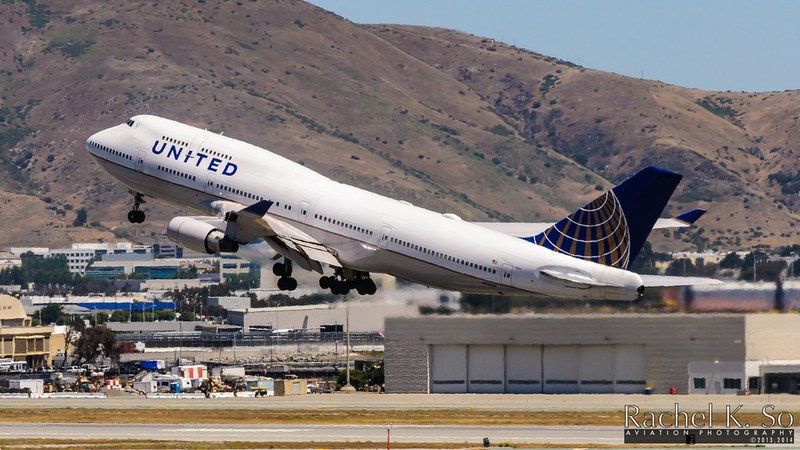
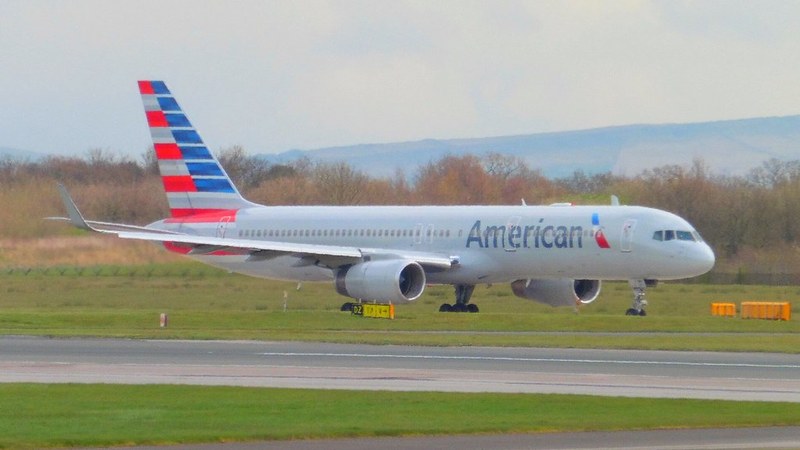
United Airlines and American Airlines, both of which designate O’Hare as a primary hub, faced significant disruptions amidst the weather-related delays. Southwest Airlines recorded 893 delayed flights nationwide on the same day, with a substantial portion linked to its operations in the Chicago area. Regional carriers SkyWest, Republic Airways, and Envoy
Air also reported disruptions connected with the delays at O’Hare.
Compared to earlier 2026 weather events at O’Hare, the September 17 delays were markedly higher. The July 2026 disruption resulted in 326 delays and 18 cancellations, while the mid-June 2026 event caused 257 delays and 7 cancellations. The September 17 figures represent roughly three to four times the delay volume of these prior incidents.
Cause of Delays and FAA Ground Delay Program
The FAA initiated a ground delay program at O’Hare on September 17, 2026, in response to thunderstorms moving through the Chicago region. This program restricted aircraft movements to maintain safe spacing around storm cells, reducing the
number of landings and takeoffs per hour. These traffic management measures caused extensive delays as aircraft accumulated on the ground waiting for clearance to operate.
O’Hare’s Meteorological Challenges
Located near Lake Michigan, O’Hare faces complex weather patterns from several directions, including cold fronts from Canada, moisture-laden systems from the Gulf of Mexico, and lake-effect instabilities. This geographical positioning creates forecasting challenges and frequently results in rapidly changing conditions. Combined with O’Hare’s status as one of the busiest connecting hubs worldwide, these meteorological factors magnify operational disruptions when severe weather occurs.
Traveler Rights and Disruption Management
Passengers affected by the 175 flight cancellations at O’Hare on September 17, 2026,
are eligible for full refunds credited to their original payment methods, per U.S. Department of Transportation (DOT) regulations, without the issuance of vouchers. For domestic flights subject to extended ground delays, passengers have the right to deplane after three hours of tarmac delay, except under limited safety exceptions.
Though storm cells passed, residual delays are expected to persist beyond September 17 due to backlogs. Travelers with canceled flights should contact their airline directly for assistance, as automatic rebooking is not guaranteed. Flying earlier in the day is advisable to avoid further delays stemming from accumulated flight backlogs.
National Context of Flight Delays on September 17, 2026
O’Hare’s 1,055 delays
represented approximately 25% of the entire United States’ flight delays on September 17, 2026. Weather-driven disruptions such as this one are classified outside airline control and generally do not qualify for DOT compensation related to controllable delays. The scale of this weather-induced disruption at O’Hare was the largest single-airport delay event recorded nationally in recent months.