Spain welcomed 96.8 million international tourists in 2025, generating 12.6% of the nation’s GDP and supporting around three million jobs. The country is on track to receive 100 million foreign visitors in 2026 as tourism continues to expand.
Government-Wide Sustainable Tourism Policy
The Spanish government has launched the Tourism 2030 plan encompassing economic, social, and environmental sustainability through a coordinated policy across all ministries and sectors. Developed with input from more than 200 tourism experts, businesses, government agencies, and other organizations, the plan outlines a three-phase roadmap implemented via two-year action plans.
Turespaña, the Spanish Tourist Office, presented the strategy at the Arabian Travel
Market in Dubai. Carlos Ruiz González, director of Turespaña for the Gulf region, emphasized the comprehensive nature of the policy, stating that “the government of Spain decided this has to be a full government policy, a country policy, and not just tourism. All the ministries, all the sectors in Spain are aligned.”
Resident Inclusion and Addressing Challenges
The Tourism 2030 plan identifies residents as a “core audience,” ensuring their involvement in tourism development to maintain community well-being. Ruiz González said, “We want the residents also to be part of the system. Tourists go where people live, so people need to keep living and be able
to afford to buy a house or buy an apartment or just walk in and out without problems.” The strategy aims to balance tourism growth with housing affordability and local quality of life.
The plan also targets challenges such as overcrowding, climate change, employment pressures, and regional depopulation. Some destinations face severe visitor saturation, described by Ruiz González as “dying of success,” prompting efforts to better distribute visitor flows.
Diversifying Destinations and Promoting Slow Travel
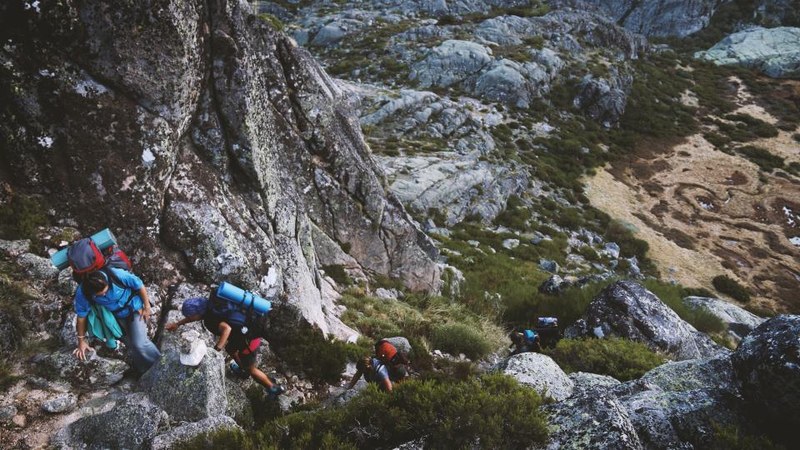
Spain’s strategy promotes spreading tourists more evenly across the country by encouraging visits to inland and rural areas alongside established urban and coastal hotspots like Barcelona. The Pyrenees, Picos de Europa,
Sierra de Guadarrama near Madrid, and Castilla are highlighted as recommended rural or historic destinations.
Visitors are encouraged to embrace slower travel with longer stays. Ruiz González explained, “Basically, we want people to go more inland in Spain. We also want people to travel slow, to stay as long as possible.” Spain’s high-speed rail network will facilitate access to less frequented regions, improving connectivity beyond traditional tourist centers.
Official Statements on Strategic Aims
Carlos Ruiz González remarked on managing Spain’s tourism growth: “For the last few years, our government has been thinking about what we should do to manage this success.” He added, “Some destinations
don’t need much promotion – they are very well known. We want all our destinations to be part of the solution.”
The Tourism 2030 plan aims to ensure sustainable visitor numbers while preserving residents’ quality of life and distributing tourism benefits across Spain’s diverse regions.