Delta, American and United Expand International Service for 2026 Summer Season
As U.S. travelers look ahead to summer 2026, three of the largest American carriers—Delta Air Lines, American Airlines, and United Airlines—are responding to rising demand by adding a combined total of 14 new international routes. The expansion covers key markets across Europe, the Middle East, the Caribbean, and the Americas, offering increased nonstop and one-stop flight options.
Scope of the Route Expansion
The new international routes span a diverse set of destinations important to both leisure and business travelers. Although exact passenger capacity and frequency details have not been publicly disclosed, the addition represents a sizeable capacity boost for peak summer travel months. This augmentation
follows strong booking trends that indicate a sustained appetite for international travel from U.S. hubs.
Destinations and Markets Affected
Europe: New service features connections to multiple major European cities, targeting popular summer vacation spots and expanding access beyond traditional gateway airports. Middle East: Routes serve emerging business and cultural centers, reflecting growing interest from both corporate travelers and expatriate communities. Caribbean: Enhanced Caribbean routes aim to support strong leisure travel demand driven by warm-weather resorts and holiday getaways. The Americas: Several new connections link U.S. cities with South and Central American destinations, accommodating both family travel and commerce.
Airline-Specific Route Highlights
Delta Air Lines is adding routes
that leverage their network in key hubs such as Atlanta and New York, potentially including new nonstop service across the Atlantic and to parts of the Caribbean.
American Airlines plans to intensify its footprint in the Middle East and Latin America, potentially enhancing connections from its Dallas and Miami hubs with direct or one-stop flights.
United Airlines is focusing on Europe and the Caribbean, introducing new flights from its Chicago and Houston hubs, aligning with early indications of growing inbound and outbound travel demand in these markets.
Implications for Travelers
The surge in new international routes offers U.S. travelers greater convenience and flexibility
during the historically busy summer travel window. The additional nonstop options can reduce travel time and improve the overall experience for leisure travelers heading to holiday destinations, as well as for business travelers seeking efficient connections.
While no confirmed seat or frequency numbers have been published, travel industry observers advise monitoring booking patterns and ticket prices closely throughout the early 2026 booking season. Capacity expansions often help temper fare inflation during peak travel periods; however, demand outpacing supply can still cause price pressures.
Operational and Market Context
The announcement comes amid an ongoing recovery in international air travel following pandemic-era disruptions. Airlines have been
cautiously rebuilding networks, with a focus on routes demonstrating strong forward demand signals. The decision to launch 14 new routes simultaneously suggests confidence in sustained travel growth through 2026.
Travelers should remain alert to typical summer peak travel challenges, including airport congestion and potential schedule adjustments. The added routes may somewhat relieve pressure but planning ahead remains essential.
What to Watch
Given that confirmed capacity numbers and flight frequencies are limited at this time, travelers and industry professionals should keep an eye on:
Airline websites and official schedules for detailed route launch dates and seat availability Early booking trends for pricing signals on
these new routes Updates on operational status, which may be influenced by regulatory approvals or infrastructure constraints
Overall, the introduction of these 14 new international routes by Delta, American, and United strengthens the U.S. airline industry’s ability to meet the growing needs of summer 2026 travelers with enhanced choice and connectivity across multiple global regions.
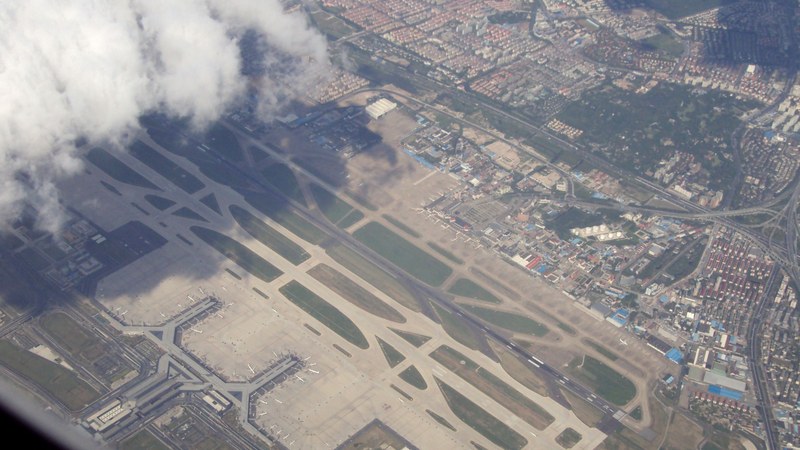
Image: Moscow Vnukovo International Airport by AndreyFilippov.com via flickr, by