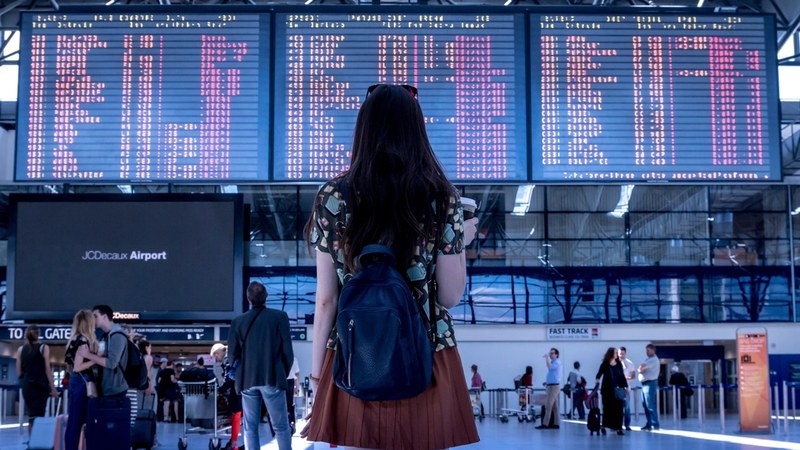
The Federal Aviation Administration (FAA) imposed a ground stop halting inbound traffic at Chicago O’Hare International Airport for nearly two hours on September 17, 2026, from 1803Z to 1930Z (87 minutes) amid severe thunderstorms. This disruption pushed O’Hare to lead the world in flight cancellations and delays that day, according to FlightAware tracking and publicly available data.
O’Hare Flight Volume and FAA Traffic Management
O’Hare International Airport is the busiest U.S. airport by flight volume, with peak-day flight plans exceeding 3,000 flights before the FAA imposed schedule reductions for summer 2026. From May 17 through October 24, 2026, daily operations are capped at 2,708 flights to reduce
congestion caused by overscheduling, construction constraints, and taxiway and gate limitations. The airport’s banked hub scheduling concentrates arrivals and departures in waves, making it vulnerable to cascading cancellations and delays when runway acceptance rates drop due to weather or other factors.
Passenger Impact and Flight Status Complexity
Flights destined for Chicago during the ground stop were held at departure airports, creating extended gate hold times. The City of Chicago operates an O’Hare delay-and-cancellation dashboard that recorded 2,550 total flights and 19 cancellations over a rolling 24-hour period near that date, illustrating how cancellations accumulate rapidly. Cancellation reporting varies depending on whether departures or arrivals are counted
and from which locations, requiring travelers to monitor individual flight status through airline apps and FAA airport-status pages. Same-day rebooking and flexible departure times may increase options following such disruptions.
Ongoing Effects and Long-Term FAA Measures
After the ground stop was lifted just after 3 p.m. local time, residual arrival metering and gate congestion persisted, causing ongoing delays and cancellations. The FAA classifies O’Hare as a Level 2 schedule-facilitated airport, indicating chronic capacity strain that requires voluntary coordination among airlines and airport operators. While schedule reductions cannot eliminate weather-related disruptions, they aim to curb extreme congestion by smoothing daily demand, allowing capacity recovery during less busy
times and reducing the frequency of severe operational pauses at the airport.