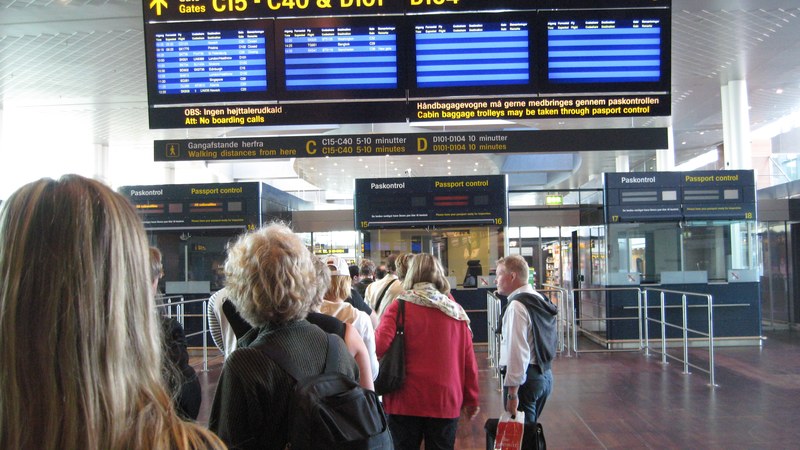
More than 1,000 flights were cancelled across the United Kingdom on September 8, 2026, due to a technical failure at National Air Traffic Services (NATS) that resulted in a system shutdown lasting four hours. The disruption triggered restrictions on flight operations and caused extensive delays at major airports including London Heathrow, Gatwick, Luton, and Glasgow.
British Airways cancelled or diverted over 100 flights during the incident, contributing to a backlog of disrupted air travel operations. Airlines faced continued cancellations and delays over the following days as they repositioned aircraft and crews to resume normal schedules.
Flight Disruption Eases, Recovery Continues
By September 10, flight operations
began trending toward normal across UK airports. Delays became fewer as carriers worked through residual effects of the initial failure. Despite rapid technical restoration, the network remained affected for days due to disruption of aircraft and crew scheduling across key hubs, notably at London Heathrow, which handles a high volume of long-haul and connecting flights.
Investigations and Leadership Scrutiny
An internal probe by NATS and an independent review ordered by the Civil Aviation Authority (CAA) are underway to determine the underlying cause of the technical failure. The UK Transport Secretary, Heidi Alexander, has set a short timetable for an initial report expected the week
following September 16 and has stressed the need for rapid answers.
The disruption was reportedly linked to flight plan data from a British military aircraft, though the Ministry of Defence denied any military error. A spokesperson said, “We do not believe there’s any indication of an error on the part of the military,” and declined further comment pending ongoing investigations.
Criticism of NATS’s resilience has intensified, with Ryanair’s CEO Michael O’Leary publicly calling for the resignation of NATS CEO Martin Rolfe, describing his position as “untenable” and accusing him of “telling lies to save his own skin.” Rolfe has stated
this incident was unprecedented in NATS’s 50-year operational history.
Passenger Impact and Travel Agent Assistance
The flight cancellations and delays caused significant challenges for passengers facing rebooking difficulties and extended waits. Compensation claims are unlikely to succeed due to the technical failure’s classification as an extraordinary circumstance outside airline control, according to CAA guidance.
Airlines have provided rebooking options, meals, communication, and hotel accommodations where applicable. Travel agents played a key role in aiding affected travelers. Advantage Travel Partnership’s CEO, Julia Lo Bue-Said, noted, “Last week’s NATS disruption was a stark reminder of exactly why booking through an agent matters. When a system fails on this
scale, it’s the travellers who booked independently who are left to navigate airline call centres and rebook on their own.” Jessica Gardener, director of L&K Travel, reported paying £350 to secure hotels in Venice for stranded customers before cancellations occurred.
Systems Resilience and Ongoing Concerns
NATS did not have a dedicated backup system for the affected flight processing system due to ongoing system overhaul efforts and cost considerations linked to data duplication. The failure has reignited debate about the robustness of UK air traffic control infrastructure and its change management and failover protocols.
Transport Secretary Heidi Alexander expressed doubt that the incident was unavoidable, stating,
“I do not believe this issue was unavoidable,” highlighting the need for accountability within NATS.
The incident marks a critical review point for UK air traffic control, emphasizing the necessity for reliable backup systems and improved recovery procedures to prevent similar large-scale disruptions in the future.