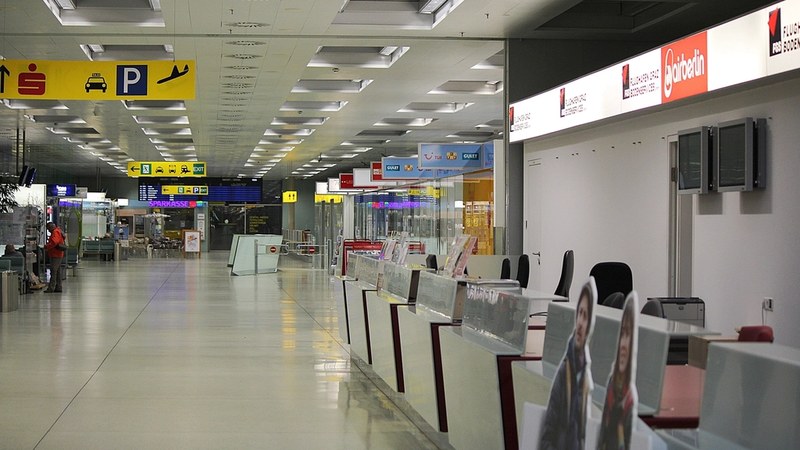
Cuba recorded just over 1.8 million international visitors in 2025, a 17.8% decline from 2024, falling well short of the government’s 3 million visitor target for that year, according to Cuba’s National Office of Statistics and Information (ONEI). The decrease deepened in early 2026, with only 359,491 tourists arriving during the first five months, marking a 58.4% drop compared to the same period in 2025.
Key source markets showed significant drops in 2025: Canadian tourist arrivals fell by 12.4% to 754,000, Russian visitors declined 29% to 131,882, and tourists from the United States decreased 22.8% to 110,005. Visits by Cubans
living abroad, traditionally a pillar of the sector, declined by 22.6% in the same period. The hotel occupancy rate reflected the downturn, falling 18% from 2024 levels to 18.9% in 2025, with occupancy dropping from 23.7% to 12.9% between January and March 2026.
Economic and Infrastructural Challenges Impact Tourism
The tourism sector contraction relates to systemic economic issues amplified by infrastructure and energy sector deterioration. Prolonged economic crisis conditions, compounded by fuel shortages linked to the U.S. oil embargo and related sanctions, have forced the Cuban government to shutter several hotels. This includes properties managed by international brands such as the Spanish chain Meliá, which recently
ceased operations in Cuba. Frequent blackouts, worsening public services, and limited access to essentials like food and fuel have diminished Cuba’s appeal as a tourism destination.
The decline in visitor arrivals began before 2026, reflecting broader structural weaknesses in the Cuban economy. The economic difficulties, combined with demographic shifts and emigration of the working-age population, have further complicated the tourism sector’s viability.
Prerequisites for Tourism Recovery
Revitalizing tourism depends on three critical conditions: significant easing of U.S.-Cuba tensions, comprehensive economic reforms fostering sustainable growth and internal sector connections, and reliable energy system restoration. Relaxing travel restrictions for U.S. citizens and lifting the fuel blockade
are pivotal for reactivating key markets. Between 2016 and 2018, during Barack Obama’s second term, U.S. tourist arrivals nearly doubled from 282,552 to 638,365, temporarily making the United States the second-largest tourism source for Cuba.
Normalization of relations with the United States could shift Cuba’s tourism focus toward the U.S. market, replacing traditional European and Canadian markets, which declined during that period. The Cuban diaspora, largely based in the United States, also represents a vital source contingent on improved bilateral ties.
Opportunities in Private Sector Development and Infrastructure
The development of micro, small, and medium-sized enterprises (MSMEs) is a promising avenue for expanding Cuba’s tourism offerings. Private
restaurants, family-run accommodations, tourism agencies, transportation services, and cultural operators could diversify experiences beyond state-run options. Increased collaboration between public and private sectors may enhance service quality and broaden economic benefits within the community.
State resources have prioritized new hotel construction in recent years despite low occupancy and waning demand. Future recovery emphasizes refurbishing aging, poorly maintained hotel properties from over three decades ago rather than adding new capacity. Effective management and foreign investment are essential to upgrade facilities and improve operational efficiency.
Digital Modernization and Tourism Competitiveness
Cuba’s future tourism competitiveness hinges on expanding digital technologies to meet international traveler expectations. This entails establishing
online booking platforms, enabling electronic payments, providing real-time information, and ensuring stable connectivity. Incorporating artificial intelligence, data analytics, and digital marketing will be necessary for Cuba to succeed in the technology-driven market.
Tourism Outlook Scenarios Through 2026
Three scenarios outline Cuba’s potential tourism trajectories. In the pessimistic scenario, persistent energy shortages, fuel embargoes, sanctions, infrastructure decay, and investment constraints could keep annual international arrivals below one million, further eroding Cuba’s market share in the Caribbean.
An intermediate outlook envisions partial U.S.-Cuba tension reductions, incremental reforms, improved electricity supply, and expanded private sector roles enabling growth to between one million and three million annual visitors. This
would improve conditions but leave Cuba trailing key regional competitors.
The optimistic scenario requires comprehensive economic stabilization, restored energy systems, foreign investment openness, strengthened entrepreneurship, infrastructure modernization including airports and ports, hotel renovations, digital service integration, and data-driven international marketing. Achieving these conditions could propel Cuba beyond five million visitors annually, restoring its historical Caribbean tourism prominence.
Without addressing these multidimensional factors, Cuba’s tourism sector faces ongoing contraction amid a competitive regional environment heavily influenced by geopolitical constraints and domestic economic fragility, according to analysis from the Cuba Capacity Building Project reported by horizontecubano.law.columbia.edu.