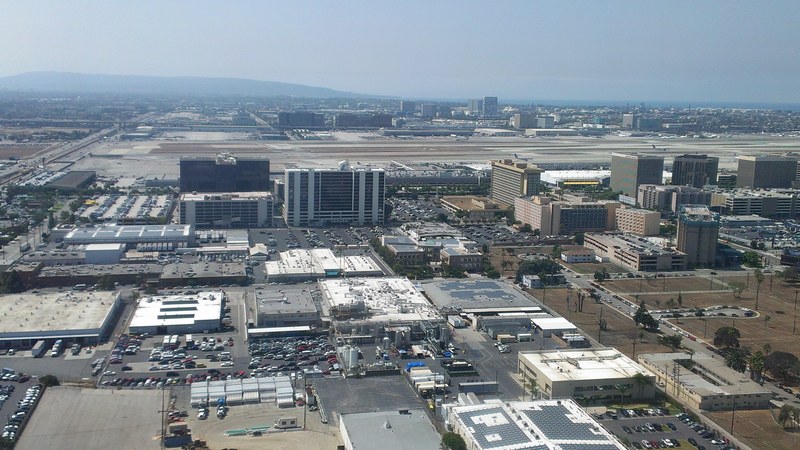
On September 16, 2026, widespread flight cancellations and delays disrupted major U.S. airports. Boston Logan International Airport (BOS) operated under a Federal Aviation Administration (FAA) traffic management program with average delays of 30 to 40 minutes, while Los Angeles International Airport (LAX) experienced generally light traffic, reporting arrival and departure delays of 15 minutes or less along with single-digit cancellations.
Causes of Delays and Capacity Constraints
FAA system status updates attribute Boston Logan’s traffic management program on September 15 and 16, 2026, to staffing constraints combined with construction-driven capacity reductions restricting taxi routes, aprons, and lighting. These operational limits produce pockets of congestion that transform manageable
delays into same-day cancellations. At LAX, despite a ‘green’ status, cancellations occurred due to aircraft and crew positioning issues originating outside the airport, not internal capacity.
Traveler Impact and Delay Dynamics
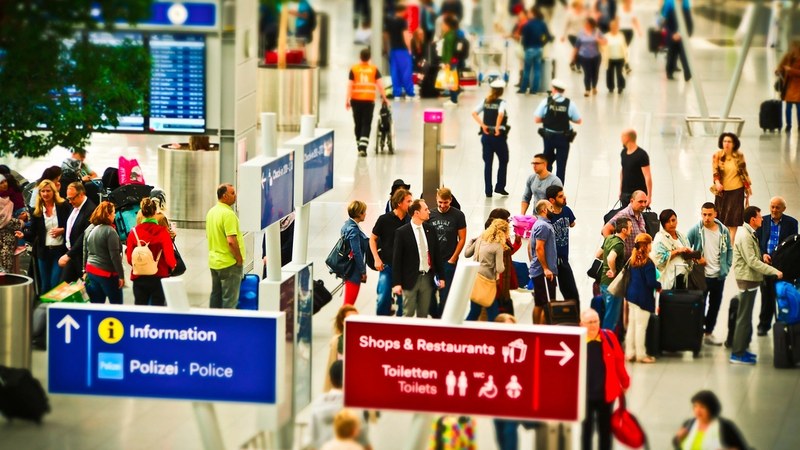
BOS travelers face average flight delays of 30 to 40 minutes with escalating risk of cancellations as aircraft rotations delay and crews hit duty limits, especially during busy peak periods. LAX travelers encounter mostly under 15-minute delays but must consider cancellations notably affecting high-demand evening departures and long-haul routes. Incremental departure-time changes may flip into cancellations if crew duty limits or aircraft scheduling challenges arise.
LAX Airport Operations and Contingency Planning
LAX publishes airport conditions and contingency planning materials addressing
irregular operations, including tarmac delay procedures and diverted flight coordination. FlightAware data show LAX with fewer cancellations relative to heavily constrained hubs, with more delays than cancellations. These operational frameworks aim to guide traveler experience but do not prevent cancellations caused by external network disruptions.
National Airspace System and Cascading Effects
Nationwide, multiple large airports concurrently operate below peak arrival rates, compounding delays across the U.S. air-travel network from coast to coast. Several FAA delay programs address weather, construction, and persistent staffing shortages. Recurrent construction-driven capacity reductions and facility advisories continue to bottleneck major metropolitan airports such as Boston Logan, amplifying schedule disruptions and the cascading
effect on connecting flights.
Traveler Advice During Disruptions
Travelers should consult FAA airport-status pages and airline-specific tools for updated delay programs and average wait times. Adjusting trip shapes, such as selecting earlier departures or alternate airports, reduces cancellation risk. Utilizing airline apps for self-service rebookings, seat selection, and standby requests can expedite handling compared to counters during widespread irregular operations.