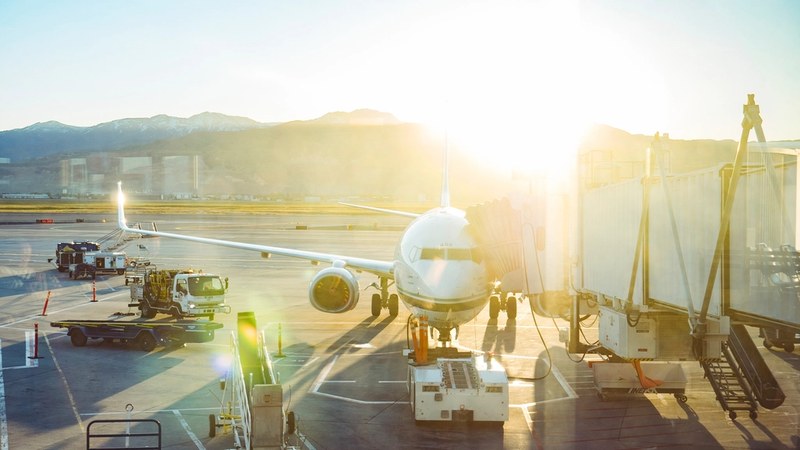
On September 15, 2026, air travel in the United States experienced widespread disruptions with more than 1,238 flights delayed and 53 flights canceled. The delays and cancellations affected departure and arrival schedules nationwide.
Major Hubs and Airports Affected
Major U.S. airports impacted included Chicago’s Midway and O’Hare, Houston’s Hobby and Intercontinental, Boston Logan, Miami International, Denver, Seattle, and multiple Florida gateways. These hubs faced significant operational challenges throughout the day.
Causes of Disruptions
The Federal Aviation Administration (FAA) attributed most delays and cancellations to weather and air traffic management constraints. Thunderstorms were identified as a key risk in Chicago, Houston, and Florida, while low cloud conditions reduced arrival
rates at Denver and Seattle airports. To manage demand and limit congestion, the FAA implemented ground delay programs at Boston Logan and Miami International airports.
Weather impacts extended beyond individual airports, affecting air corridors used by multiple flights. These conditions led to reroutes, increased spacing between aircraft, and reductions in arrival capacity, which resulted in cascading delays across the national air traffic system.
Passenger Impact and Refund Policies
Passengers faced delays often exceeding one hour, as well as flight cancellations that disrupted travel plans at major U.S. airports. Common issues included departure holds, missed connections, and boarding time changes. Rebooking delays were complicated by the
simultaneous congestion across multiple hubs.
The U.S. Department of Transportation requires airlines to provide refunds to passengers who opt not to travel after cancellations, even when weather is the cause. Refund eligibility for delays depends on the situation and whether passengers decline altered schedules.
FAA and DOT Operational Guidelines
The FAA stated that weather remains the dominant driver of system-wide delays in recent years. Its tools, such as ground delay programs and ground stops, are used to maintain safety by managing traffic when capacity is reduced due to weather or congestion. Scheduling interdependencies mean that delays at one hub can affect aircraft and crew availability
throughout airline networks.
The Department of Transportation’s rules require airlines to handle cancellations with customer refunds when requested, regardless of whether the cause is within the airlines’ control.
Travel Advice and Industry Context
Travelers were encouraged to monitor multiple sources for up-to-date flight information, including airline apps for specific flight changes, the FAA’s airport-status dashboards for traffic management alerts, and flight-tracking platforms like FlightAware for nationwide delay data.
The FAA’s daily outlook showed that on September 15, 2026, multiple weather pressure points in the Midwest, Gulf Coast, Florida, Denver, and Seattle collectively contributed to a broad national slowdown. Flight disruptions initially tied to weather and
airport-specific constraints quickly extended across networks as aircraft and crew schedules adapted to unfolding conditions.