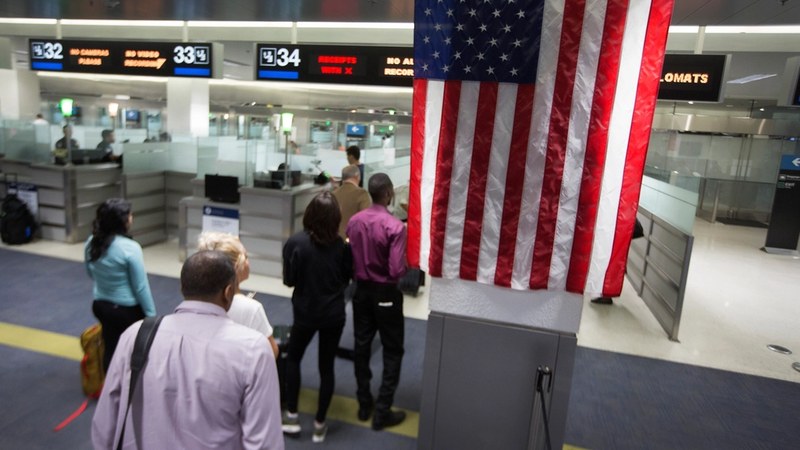
A federal judge in Boston on September 14, 2026, postponed enforcement of Trump administration visa restrictions for international students that were due to start on September 15, 2026. The new rules would have limited visas for international students to four years, replacing the prior system where visas remained valid for the program’s duration without time limits.
Background: Visa Policy Changes Aimed at Immigration Fraud
For decades, international students in the United States held visas valid for the entire length of their academic enrollment without an expiry date. The Department of Homeland Security (DHS) announced in July 2026 that it would implement a four-year cap on visas for international
students starting September 15, 2026. DHS stated this policy targets the reduction of immigration fraud by ensuring visas are only given to those genuinely intending to study in the U.S.
Lawsuit and Judge’s Criticism of Government’s Rationale
The visa restrictions prompted a lawsuit filed by Boston-based education leaders, including the Presidents’ Alliance on Higher Education and Immigration and the Association of Independent Colleges and Universities in Massachusetts. In his ruling, Judge F. Dennis Saylor deemed the government’s justification “exceptionally weak,” highlighting the current visa system’s role in facilitating “groundbreaking research in science, medicine, and technology” and substantial economic growth.
Judge Saylor warned the new visa limits would
likely cause “catastrophic” harm to the economy and higher education institutions.
Impact on Boston Universities and Doctoral Programs
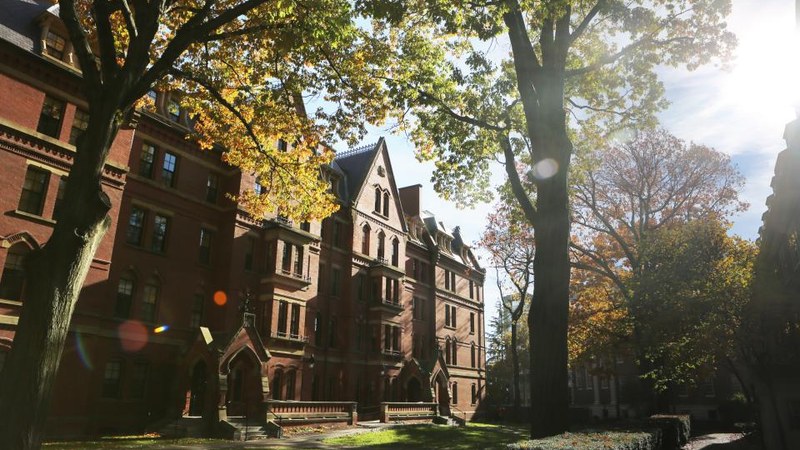
The visa restrictions would especially affect Boston’s research universities with large shares of international graduate students. The affected rates include Boston University (28%), Harvard Graduate School of Arts (38%), Massachusetts Institute of Technology (MIT) which exceeds 40%, and Northeastern University at just over 56%. According to the National Science Foundation, doctoral programs—which typically require more than five years to complete—would be disproportionately harmed by the four-year visa cap.
Public Opposition, Enrollment Declines, and Economic Impact
Nearly 22,000 public comments opposed the new visa policy, including submissions from Boston University and MIT. Even prior to the policy’s
effective date, national university admissions showed a 10% drop in international applications and a 21% decline in doctoral program applications. The Association of International Educators (NAFSA) forecast a $284 million economic loss for Massachusetts linked to decreased international student enrollment.
Official Statements on the Visa Policy and Court Ruling
DHS responded to the lawsuit dismissing criticisms as “performative outrage” and maintained that the crackdown protects immigration laws by preventing foreign nationals from abusing student visa conditions. Department of Justice Assistant Attorney General Brett Shumate argued the previous visa system was “archaic” and called for an overhaul to enhance national security.
The Presidents’ Alliance on Higher Education and Immigration stated
the judge’s decision recognized “the serious and irreparable harm this rule would cause to international students and scholars, higher education institutions, and communities across the country, as well as to the US economy, research and innovation.” Judge Saylor also pointed out the risk of arbitrary government power to cut off research and restrict students without appeal, warning such a system “might be abused to punish those whose viewpoints or research are disfavored by the officials making the decision.”
Temporary Relief for International Students in Boston Universities
The preliminary injunction issued by Judge Saylor holds the visa restriction rule from taking effect immediately, temporarily sparing international students at affected
Boston universities from applying for visa extensions after four years. This court action prevents immediate uncertainty for students, particularly doctoral candidates, who generally require more than four years to complete their studies.