A technical fault in the flight processing system operated by National Air Traffic Services (NATS) on 8 September 2026 caused a severe reduction in aircraft handling capacity in UK airspace, triggering over 1,000 flight cancellations and major delays across the country.
Flight Disruptions at Major UK Airports
The software glitch sharply constrained air traffic control operations at key hubs including London Heathrow and London Gatwick airports. Flight tracking data from FlightRadar24 showed approximately 1,300 flights cancelled or heavily delayed on 8 September alone. In the following days, an additional 250 cancellations were reported as airlines struggled to realign aircraft and crews. Regional airports such as Manchester,
Birmingham, Edinburgh, and Glasgow also experienced significant residual disruption.
Airline and International Impacts
British Airways cancelled or diverted more than 100 flights, affecting tens of thousands of passengers. Ryanair was forced to cancel over 50 flights, impacting more than 65,000 travelers. The disruption extended beyond the UK, with Irish airports Dublin, Cork, and Shannon reporting cancellations and long delays due to knock-on effects. Some long-haul operators serving transatlantic and Middle Eastern routes rerouted flights to avoid congested UK airspace, resulting in missed connections in European cities including Amsterdam and Lisbon.
Official Responses and Industry Reactions
NATS confirmed it resolved the software fault on 8 September but noted it would
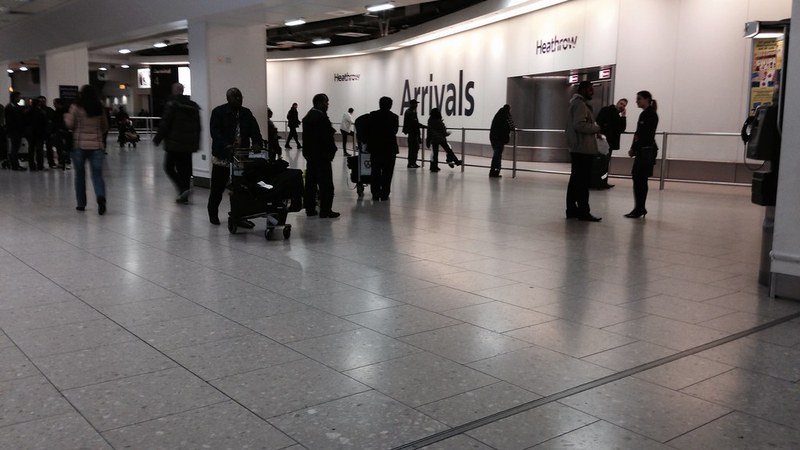
take time to recover fully from the backlog. The company apologized unreservedly, stating, “Work is continuing to assist airlines and airports recover from today’s disruption.” Heathrow temporarily suspended arrivals and throttled departures, warning that disruption would continue while urging passengers to check flight status. British Transport Secretary Heidi Alexander said she was seeking assurances that lessons would be learned and aviation systems are adequate. Ryanair’s COO Neal McMahon called for the replacement of NATS CEO Martin Rolfe, saying, “Enough is enough, it’s time for the UK government to intervene…and put somebody in charge who can do the job.”
Passenger Impact and Advice
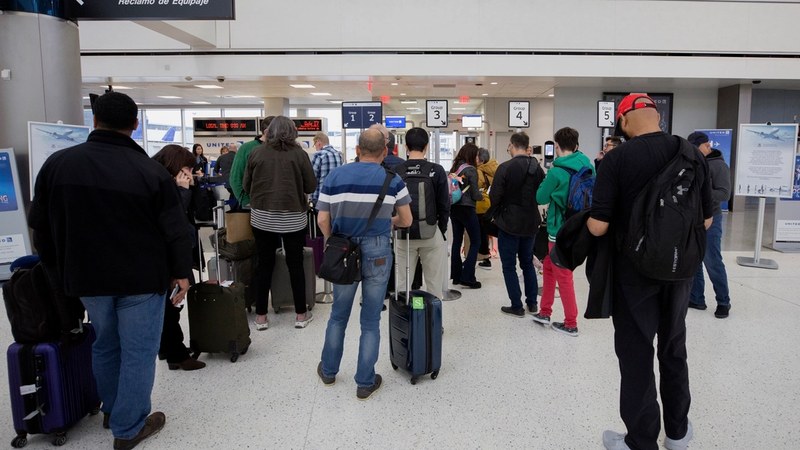
Travelers faced
overnight stays in airport hotels or forced returns home, with many enduring long queues at customer service desks and difficulties obtaining rebooking information. Airlines have been adjusting schedules frequently amid ongoing operational challenges. Experts noted that once aircraft and crew rotations fall out of sync, restoring normal operations at busy airports can take several days. Passengers affected by cancellations are entitled to care including meals and accommodation under UK and EU regulations, although fixed cash compensation is typically excluded for air traffic control failures classified as extraordinary circumstances.
Background and Industry Context
This is the second significant failure of NATS flight data processing software
within three years, following a major outage in August 2023 that disrupted more than 700,000 passengers. The UK Civil Aviation Authority had previously reviewed NATS’ contingency plans after that event, but resilience concerns remain as NATS continues to operate complex systems integrating legacy infrastructure. Debates within the industry are ongoing regarding modernization investments and clearer accountability for costs stemming from such widespread system failures.
Consumer Protection and Regulatory Considerations
Consumer groups have criticized inconsistent communication and uneven support delivery during previous NATS failures. UK and EU rules classify air traffic control faults as extraordinary circumstances, limiting airlines’ obligation to pay compensation but requiring assistance with
essentials such as food and accommodation. The 2026 disruption renewed focus on enforcement of these obligations. Passenger advocacy organizations expect regulators will scrutinize airlines’ performance in meeting care requirements as detailed reports on handling the incident emerge.