A technical fault in the flight processing system used by NATS, the United Kingdom’s main air traffic control provider, caused a sharp reduction in airspace capacity on September 8, 2026, leading to over 250 flight cancellations the day after at major UK airports including London Heathrow and Gatwick.
Flight Cancellations and Delays Across UK and European Airports
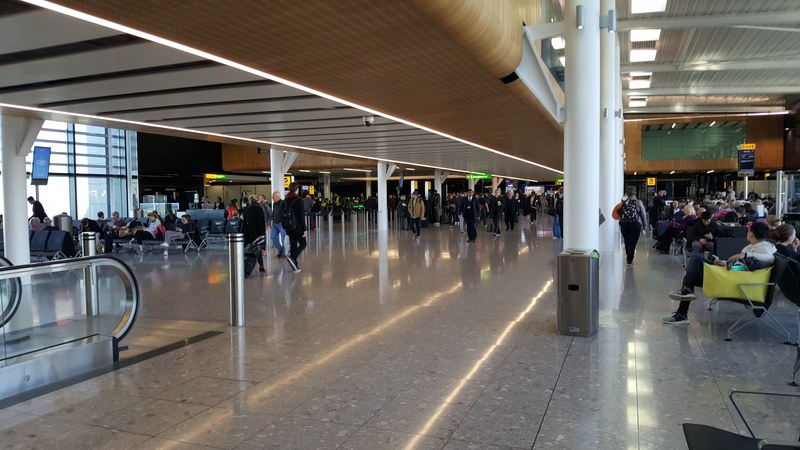
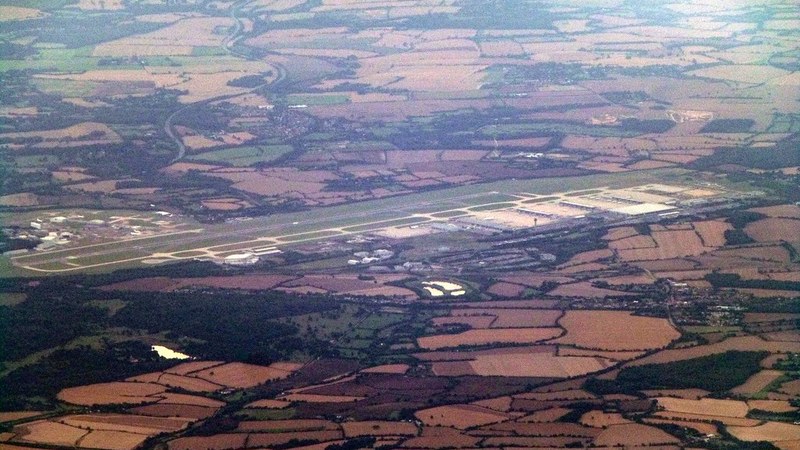
Heathrow and Gatwick airports were among the worst affected, with significant restrictions on departures and arrivals. Regional airports including Manchester, Birmingham, Edinburgh, and Glasgow reported substantial operational disruptions as well. The knock-on effects extended to Irish airports Dublin, Cork, and Shannon, where cancellations and delays arose due to impacted flight transit through
UK airspace. Continental European cities such as Amsterdam and Lisbon experienced missed connections and delays related to the UK controller issues.
Impact on Airlines and Passenger Numbers
British Airways cancelled or diverted over 100 flights, disrupting travel plans for tens of thousands of customers. Ryanair also cancelled more than 50 flights, affecting upwards of 65,000 passengers. Flights arriving from the Middle East and North America encountered delays and rerouting to circumvent congested UK airspace amid limited capacity. Airlines restructured operations in the following days, leading to hundreds of further cancellations as they attempted to realign crews and aircraft.
Passenger Experience and Support
Passengers reported extensive queues at customer service desks,
with some facing difficulties obtaining rebooking information. Numerous travelers required overnight accommodations at airport hotels or had to return home while waiting for replacement flights. UK and EU regulations mandate airlines provide meals, refreshments, and hotel stays when passengers are stranded, though no fixed cash compensation is required for cancellations caused by air traffic control failures.
Official Responses and Calls for Change
NATS confirmed it resolved the flight processing system glitch on September 8 but acknowledged a complex recovery process had persisted. The company apologized, stating: “Work is continuing to assist airlines and airports recover from today’s disruption” and described the situation as “a very complex
recovery” with lingering effects. Heathrow Airport noted departures had resumed but warned passengers of ongoing disruption. British Transport Secretary Heidi Alexander emphasized seeking assurances from NATS to learn lessons and improve aviation systems. Ryanair’s COO Neal McMahon publicly called for the replacement of NATS CEO Martin Rolfe, saying, “Enough is enough, it’s time for the UK government to intervene…and put somebody in charge who can do the job.”
This is the second large-scale failure of the NATS flight processing system in three years, following a similar breakdown in August 2023. That prior incident prompted regulatory reviews urging stronger contingency and
resilience planning, which remain under scrutiny after this latest disruption. NATS limited air traffic volumes in affected sectors to maintain safety while the system was restored, significantly reducing capacity at some of Europe’s busiest airports during a peak travel period.
Travel experts advise passengers scheduled to fly to, from, or through the UK in the coming days to monitor flight statuses closely and plan for extended airport processing times as carriers adjust their schedules amid ongoing recovery efforts.