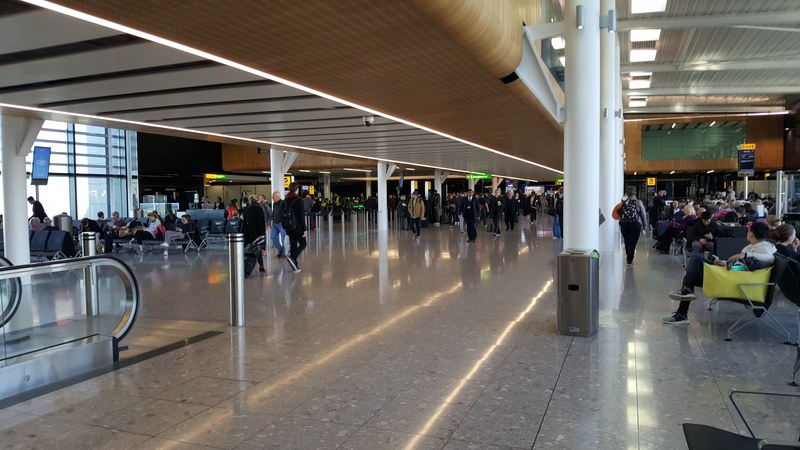
A technical fault in NATS’ flight processing system caused over 250 additional flight cancellations across the United Kingdom on 14 September 2026, following an earlier disruption starting on 8 September when more than 1,000 flights were cancelled or delayed. The fault sharply reduced air traffic capacity, particularly impacting London Heathrow and London Gatwick airports, as airlines struggled to realign aircraft and crews.
Widespread Impact Across UK and European Airports
The disruption affected multiple major UK airports including Manchester, Birmingham, Edinburgh, and Glasgow. Irish airports Dublin, Cork, and Shannon reported cancellations and delays due to knock-on effects from the UK air traffic control issues. Passengers at European hubs
such as Amsterdam and Lisbon experienced missed connections caused by delayed flights operating through UK airspace.
Long haul carriers serving routes between the UK and the Middle East and North America rerouted flights to avoid congested UK airspace and faced significant delays. Gulf-based airlines reported some flights diverted as ground handling and crew disruptions compounded operational challenges.
Fault Origin and Background of Previous Failure
The root cause was a software fault in NATS’ flight data processing system, which interprets and distributes flight information to air traffic controllers. This error forced NATS to reduce the number of aircraft handled safely, restricting traffic volume in affected airspace sectors until
system restoration was validated.
This disruption follows a similar large-scale failure involving NATS in August 2023. That earlier event triggered regulatory reviews highlighting weaknesses in contingency planning and system resilience, recommendations that appear to remain under scrutiny after the latest incident.
Passenger Impact and Airline Response
Passengers encountered cancellations, rerouted and delayed flights at Heathrow, Gatwick, and other UK airports throughout the week of 14 September. Tens of thousands of travelers were affected, with some facing overnight stays or long waits for customer service and rebooking information.
British Airways cancelled or diverted more than 100 flights, affecting tens of thousands of customers, while Ryanair reported
over 50 flight cancellations with more than 65,000 passengers disrupted. Passenger advocacy groups noted inconsistent levels of assistance at airports, reflecting findings from prior incident reviews.
UK and EU regulations classify air traffic control failures as extraordinary circumstances, exempting carriers from fixed cash compensation. However, airlines remain legally required to provide care such as meals, refreshments, and accommodation to stranded passengers.
Official Statements and Recovery Efforts
NATS confirmed the flight processing system fault was resolved on 8 September 2026 and issued an unreserved apology. The air traffic control provider stated that recovery has been complex and ongoing efforts are in place to assist airlines and
airports in clearing the backlog. “This has been a very complex recovery and has created difficulties for the whole aviation network, from which it will take time to recover,” NATS said.
British Airways acknowledged the significant knock-on consequences and forced cancellations beyond its control. The UK Civil Aviation Authority highlighted the need for improved communication and coordination following incidents causing large passenger disruption.
Regulatory Concerns and Industry Context
Regulatory reviews following the August 2023 failure urged NATS to enhance system resilience and contingency plans. The recurrence in 2026 directs investigative focus to fault triggers, the effectiveness of backup systems, and the speed of operational resumption.
Industry analysts note the complexities in integrating new digital flight management tools with legacy air traffic infrastructure. Debates continue regarding allocation of financial responsibility for outages between infrastructure providers and airlines, with airline groups estimating losses over 100 million pounds after the 2023 event.
Travel experts advise that disrupted aircraft and crew rotations require several days to realign, prolonging recovery despite correction of underlying technical issues. Flight schedules are expected to gradually stabilize later in the week.