U.S. Tourism Decline Emerges Amid Global Event Preparations
Reports of a U.S. tourism decline have surfaced in recent weeks as international arrivals show signs of slowing down just months ahead of the highly anticipated 2024 FIFA World Cup matches set to take place in multiple U.S. cities. This development is causing concern among travel industry stakeholders who had anticipated a surge in visitors linked to the event.
International Arrivals Drop: Early Indicators and Context
While exact figures remain unconfirmed, various travel data sources indicate a reduction in inbound international visitors compared to the same period in previous years before major global sports events. Airlines, airports, and hotel sectors serving key gateway cities such as New
York, Miami, and Los Angeles are reporting softer projections for international bookings during the critical early-season window leading up to the summer.
Industry observers suggest that factors contributing to this international arrivals drop include fluctuating currency exchange rates, residual cautiousness over global health dynamics, and evolving visa policy nuances.
Potential Impact on the U.S. Hospitality and Transportation Sectors
The decline comes at a delicate time for the American travel economy. Hotels and local businesses in cities hosting World Cup games had prepared for significant demand growth, with room inventories expected to tighten sharply. A shortfall in visitors could pressure average daily rates and occupancy levels, impacting revenue forecasts.
Similarly,
airlines operating international and connecting flights to World Cup venues face challenges in adjusting capacity amid uncertain demand. This is especially critical for routes relying heavily on travelers from Europe, Latin America, and Asia, who typically constitute a large share of international arrivals in the U.S.
Economic Stakes for Host Cities
Local economies aiming to benefit from tourism-driven spending related to the World Cup may see diminished hotel bookings, restaurant patronage, and retail sales if arrivals remain subdued. While some domestic demand remains steady, the unique influx of international fans usually provides an important boost for metropolitan areas gearing up for the event.
What Travelers and Industry Should Watch
Booking Trends:
Monitoring early and last-minute international booking patterns provides signals of recovery or further decline. Airport Traffic Flows: Passenger volumes at key international gateways offer real-time insights into travel demand shifts. Currency Exchange Rates: Fluctuations may influence travelers’ decisions, especially those from countries with weaker currencies. Policy and Health Updates: Visa regulations and health advisories could affect travel confidence and accessibility.
Outlook for U.S. Tourism Ahead of the World Cup
While the current indicators point to a cautious landscape for inbound international travel, the approaching World Cup still represents a significant draw for global sports fans. Travel industry professionals remain attentive to how demand evolves in the coming months, with
the potential for some rebound as the event nears. However, the U.S. tourism decline observed so far suggests a need for adaptive strategies among hospitality, airline, and destination marketing sectors to mitigate risks and capture available demand.
Travelers planning trips to U.S. host cities for the World Cup should stay informed of changing flight availability and accommodation options, as operators adjust to shifting market conditions.
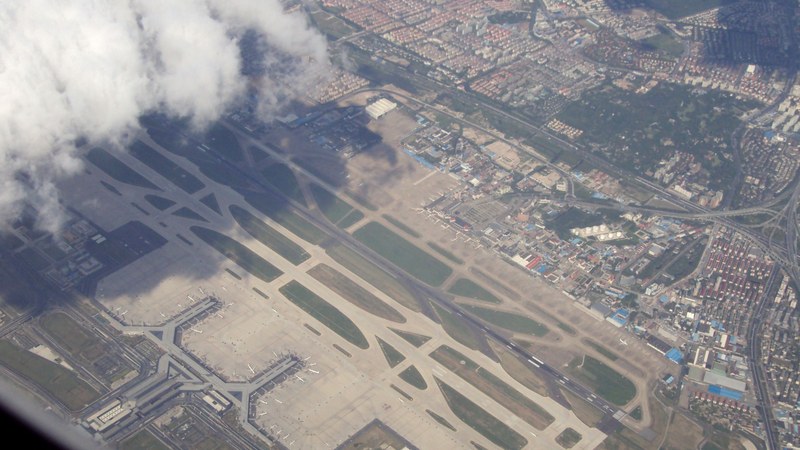
Image: Prague Airport – IMG_2253 by Nicola since 1972 via flickr, by