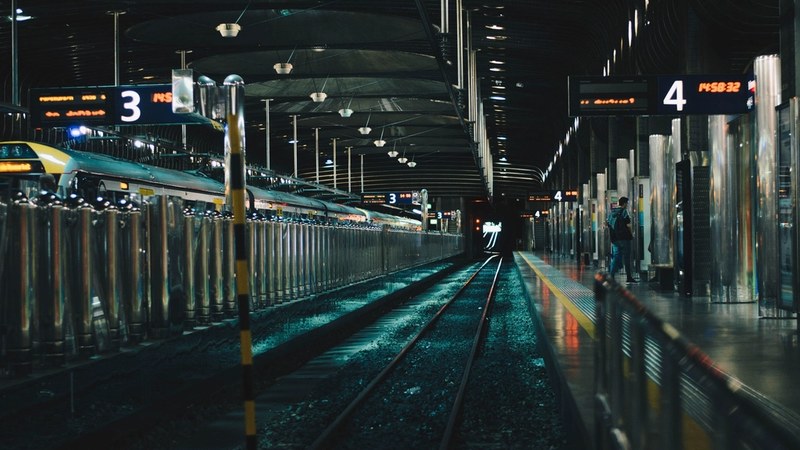
Auckland’s City Rail Link (CRL) opened to passengers on September 13, 2026, introducing a 3.5-kilometer tunnel beneath the central business district that connects existing suburban rail lines. The project includes two new underground stations: Te Waihorotiu near the Sky Tower and Karanga-a-Hape off Karangahape Road, marking New Zealand’s first major underground railway stations.
Opening Day Timetables and Ticketing
On its first day of operation, CRL ran a special timetable with extra early morning services starting around 5 am on the South-City and East-West lines. The first train arrived at Karanga-a-Hape station at 5:22 am, departing Ōtāhuhu at 4:57 am. Trains on suburban lines ran every
15 minutes until 8 pm on Sunday, followed by service every 30 minutes thereafter. Passengers do not need to book or reserve seats; payment is made by tagging on and off with AT HOP prepaid cards or via Paywave and mobile phone payments. Children under 13 and SuperGold card holders travel free using pre-registered HOP cards.
Infrastructure Changes and Network Integration
As part of the CRL, Britomart station was renamed Waitematā and transformed from a terminus into a through-station. This enables trains to pass beneath Auckland’s city center and continue onward, eliminating the previous bottleneck that limited network capacity. The CRL tunnel integrates with existing
suburban lines, except for the Onehunga line which does not use the tunnel. New city center stations feature escalators and elevators, and trains accommodate prams, bicycles, and scooters.
Project Timeline, Costs, and Official Statements
The CRL project began preparatory works in 2016, with major tunneling and station construction starting in 2019. Originally scheduled for completion in 2024 after a nine-year timeline, the project opened six months late, delayed approximately two years by the Covid-19 pandemic. The initial budget of NZD 2.9 billion increased to NZD 4.4 billion in 2019, ultimately reaching NZD 5.5 billion. CRL Ltd chairperson John Bridgman described the project as “the biggest transport
transformation in Auckland since the Harbour Bridge,” acknowledging the six-month delay within the long-term schedule.
Passenger Facilities and Accessibility
Stations across the network were staffed with customer facilities on opening day. Most stations lack parking, so Auckland Transport recommends using connecting bus services, which are often included in trip costs. New underground stations and trains are fully accessible, with accommodations for prams and mobility devices. Bikes and scooters are permitted onboard, supporting flexible commuter travel options.
Initial Service Levels and Future Timetable Build-up
A “transitional” timetable commenced at opening, running six peak trains per hour instead of the originally planned eight due to earlier congestion identified during testing. Trains through the
tunnel run approximately every four minutes at peak in the city center. Auckland Transport aims to increase service frequency to a full timetable within six months.
Maintenance and Project Significance
KiwiRail reported the new tunnel infrastructure is structurally robust enough to avoid major maintenance closures for at least three years, reducing disruptions from past weekend shutdowns. The CRL, at NZD 5.5 billion, stands as New Zealand’s largest infrastructure project, significantly upgrading Auckland’s urban rail network.
Auckland Transport chief executive Stacey van der Putten encouraged passengers on opening day to start from local stations, stating, “We know many people will be keen to be on
one of the first services, and we encourage people to start their first journey from their local station.” John Bridgman added, “Everyone says this project is late. Yes, we’re not up to the projected timelines, but we’re only six months late in a nine-year project.”