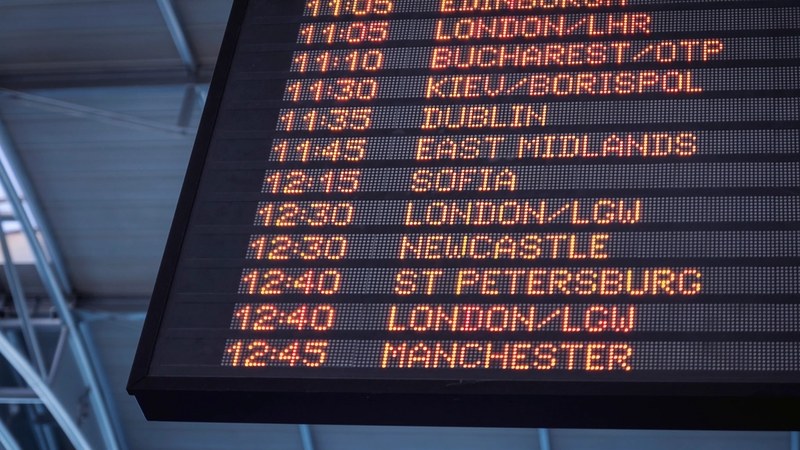
An air traffic control system failure disrupted travel across Britain on Tuesday, September 9, 2026, resulting in the cancellation of more than 1,000 flights nationwide.
Major UK Airports Face Widespread Disruption
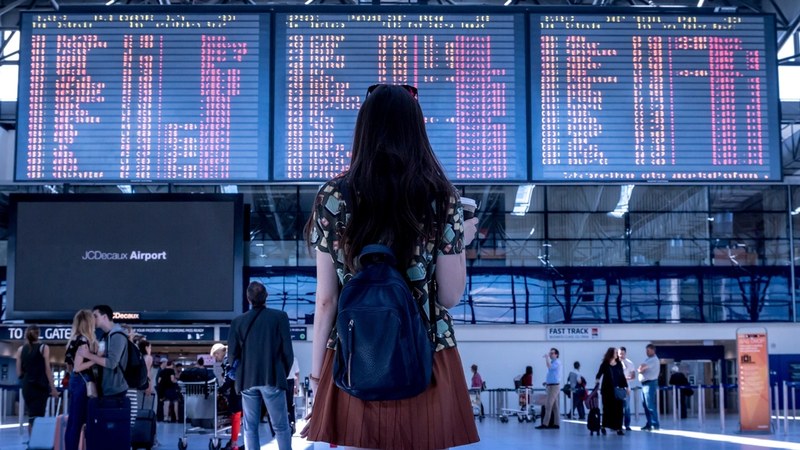
The disruption affected at least 15 airports across the UK, including London Heathrow, Gatwick, Stansted, London City, Manchester, Birmingham, and various Scottish airports. Departures resumed at London Heathrow after the fault was addressed, but arrivals were suspended for the rest of the night, with further delays anticipated.
Airlines Cancel Hundreds of Flights
British Airways canceled or diverted over 100 flights due to the air traffic control issue. Ryanair reported canceling more than 50 flights and said the disruption impacted over
65,000 passengers. EasyJet also experienced delays, stating some flights were unable to operate, leading to delays across European routes.
Passenger Experiences and Airport Challenges
Passengers endured long delays, with some stuck on planes for hours. For example, a British Airways flight bound for Baltimore remained on the ground at Heathrow for four hours. During the delay, passengers were served meals and entertained with movies while awaiting updates. At baggage claim areas, travelers encountered confusion and a lack of assistance, being told to file claims for lost luggage independently.
Ryanair passenger Josie Donoghue described her experience at Gatwick airport, where she was stuck on a plane
for three hours before her flight was canceled. She called the situation an “absolute nightmare” and compared navigating the airport to “trying to get out of Alcatraz.”
Official Responses and Cause of Disruption
Britain’s National Air Traffic Services identified a problem in its flight processing system as the cause of the disruption. The issue was resolved in the evening but created significant ripple effects across several UK airports. A British Airways spokesperson said the incident was beyond their control and described the situation as “incredibly frustrating,” noting that aircraft and crews became misplaced, causing a “significant knock-on impact.” EasyJet acknowledged the system failure for causing flight
delays across Europe.
Regional Impact and Ongoing Operational Challenges
The air traffic control failure not only disrupted operations at major UK hubs but also contributed to delays on flights across Europe. Airports including Stansted, London City, Manchester, Birmingham, and Scottish airports urged passengers to verify flight statuses with airlines as they managed a substantial backlog of delayed flights.