More than 1,750 flights were canceled in the United Kingdom on September 8 and 9, 2026, due to a technical failure in National Air Traffic Services’ (NATS) flight processing system. The malfunction disrupted operations at more than 15 UK airports and was described by NATS as “an issue in our flight processing system” which has since been resolved.
Major Airports and Airlines Affected
Among the airports affected were Heathrow, Gatwick, Manchester, Birmingham, and several Scottish airports. Ryanair canceled over 50 flights, disrupting travel for more than 65,000 passengers. British Airways canceled or diverted around 100 flights, while EasyJet reported delays and cancellations impacting flights across
Europe linked to the NATS failure.
Passenger Impact and Operational Challenges
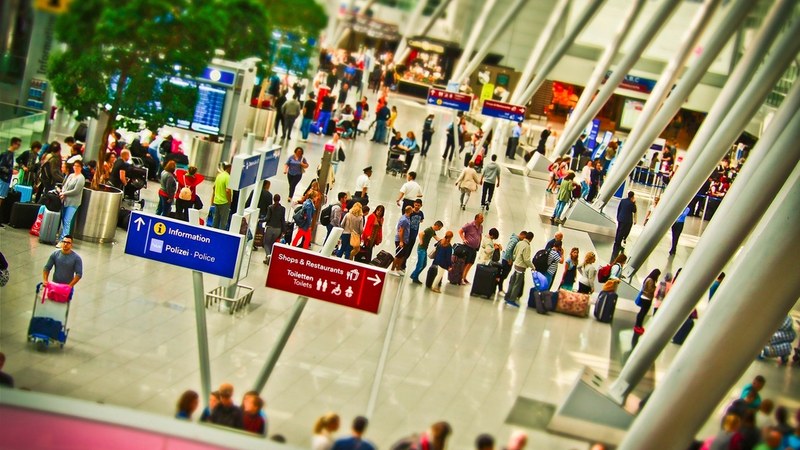
Thousands of passengers were stranded for hours on airport runways and in terminals during the two-day disruption. Heathrow Airport advised passengers to “only travel if your flight is confirmed to be operating” and deployed extra staff across terminals to assist travellers. The displaced aircraft and crews across UK and European airports caused knock-on effects continuing beyond September 9, 2026.
Official Responses and Accountability
Martin Rolfe, CEO of NATS, apologized for the inconvenience and reaffirmed a commitment to safety, stating, “Our job is also to make sure that people stay safe.” Heathrow Airport apologized to those affected and confirmed
support measures during the disruption. Ryanair COO Neal McMahon called for Rolfe’s resignation over “repeated failures,” referencing a previous major NATS outage in 2023. Transport Secretary Heidi Alexander summoned Rolfe demanding assurances lessons will be learned and that aviation support systems will improve.
Context of Repeat Outages and Industry Recovery
This failure is the second major NATS system outage in three years. Despite this, NATS stated the UK air traffic control system remains one of the safest and most efficient globally. Airlines and airports are currently working to clear backlogs of delayed flights and reposition crews and aircraft. Budget airlines like Ryanair and Wizz Air have been
particularly vocal about the operational impacts of ongoing air traffic control vulnerabilities.