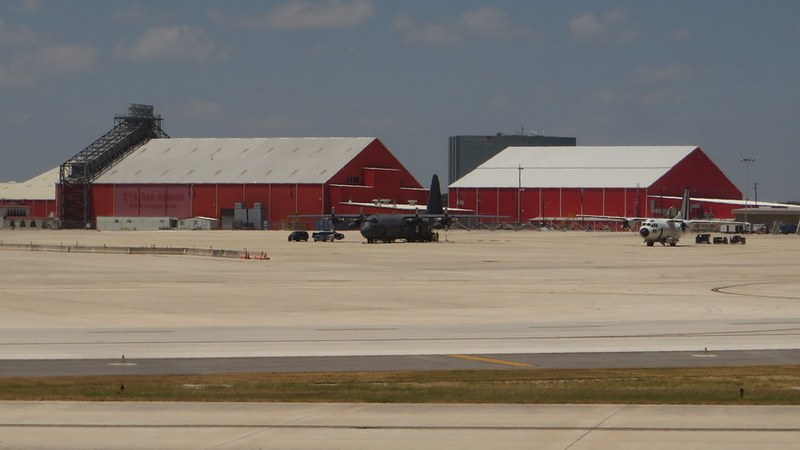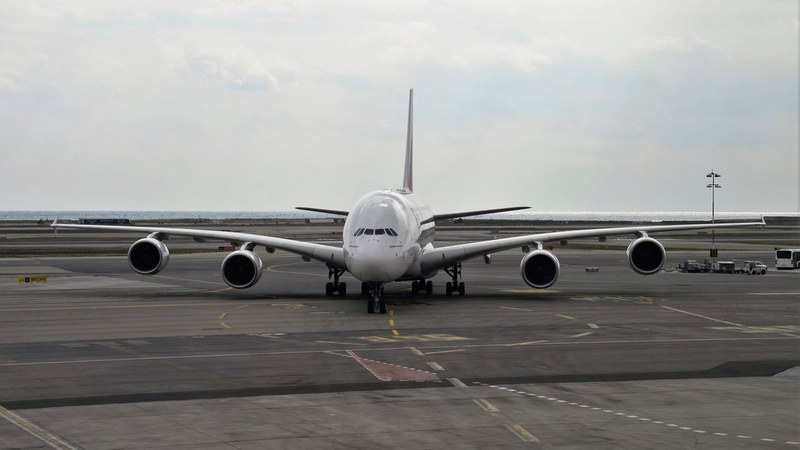
On September 3, 2026, thousands of flights were grounded at Nairobi’s Jomo Kenyatta International Airport (JKIA) following a staff strike that began as a go-slow on Sunday and intensified on Monday. The industrial action by aviation workers had a nationwide impact, extending to Moi International Airport in Mombasa and causing widespread disruptions to domestic and international air traffic.
Flight Delays, Cancellations and Passenger Disruptions
Both domestic and international departures at JKIA faced lengthy delays of several hours, stranding thousands of passengers in long queues. Disruptions affected flights connecting through hubs in the Middle East and Europe, with airlines consolidating lightly booked services and holding some inbound
flights at their origin to avoid aircraft and crew being stuck away from base without clear turnaround schedules. Passengers reported cancellations, missed connections, overnight waits, diversions to hotels, and extensive boarding delays. Travel between Kenya and regional destinations including Tanzania, Uganda, Rwanda, and the Indian Ocean islands was also impacted.
Entities Involved and Operational Responses
The Kenya Aviation Workers Union represents the airport and air traffic staff involved in the industrial action. Kenya Airways, the nation’s flag carrier, advised passengers to verify flight status and waived fees for ticket changes where space allowed. The Kenya Airports Authority and Kenya Civil Aviation Authority were cited by
union members as responsible for delayed reforms and unimplemented agreements. In response to the increased passenger demand on alternative routes, Kenya Railways added extra train services between Nairobi and Mombasa. Ground staff and managers were redeployed to critical areas such as check-in counters and boarding gates to sustain essential services, with non-striking personnel working overtime to keep operations functional during the strike.
Strike Causes and Background
The strike stems from unresolved salary and benefits issues and delayed implementation of collective bargaining agreements dating back to the mid-2010s. Union grievances include stagnant pay progression and concerns about the expanded use of temporary and volunteer staff
at airports, which workers claim undermine job security and professional standards. These labor disputes surface amid financial pressures on state-owned aviation entities and rising worker expectations fueled by recovering passenger volumes and airline revenues.
Passenger Impact and Official Advisories
Thousands of passengers experienced significant disruptions including prolonged queues, flight cancellations, and extended waiting periods at JKIA and Moi International Airport. Some inbound flights were held at their departure points to avoid compounding schedule disruptions. Airlines advised travelers to anticipate longer processing times and to frequently check flight status updates. Several carriers reduced flight frequencies on certain routes and combined services to manage the backlog. Passengers
diverted from air travel switched to rail or road, with Kenya Railways expanding capacity accordingly.
Safety and Contingency Measures Amid Ongoing Negotiations
Airport authorities emphasized safety as a priority despite deteriorating service quality. Contingency measures were put in place by Tuesday as negotiations progressed and the strike was suspended temporarily. However, significant backlogs of displaced passengers and aircraft remain, continuing to affect schedule reliability. Ground staff and management efforts focus on clearing the operational disruptions while maintaining baseline airport functions during the labor dispute resolution process.
Effects on Kenya’s Aviation Hub Status
Kenya’s repeated labor disruptions at major airports occur while the country is promoting itself as a stable regional aviation hub. The
strike’s impact on business travelers, tourists on safaris, and Kenyans returning from school holidays has caused lost revenue for airlines, tour operators, and hospitality businesses reliant on predictable flight connections. Ongoing operational challenges from such disputes raise questions about the resilience of Kenya’s aviation infrastructure in one of East Africa’s busiest air transport markets.