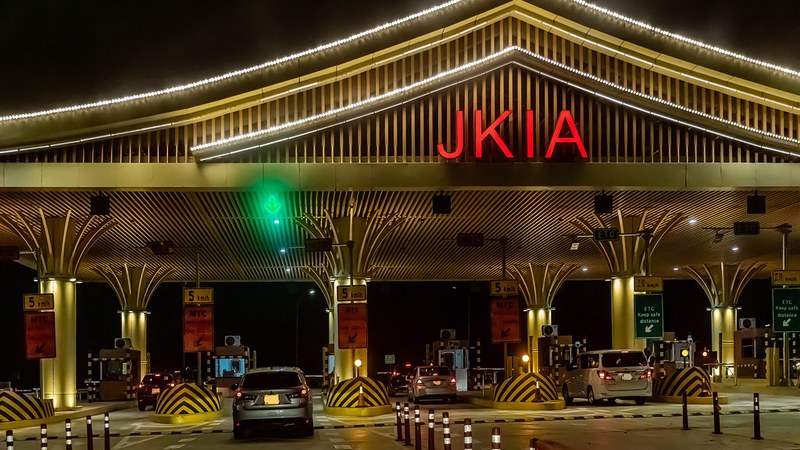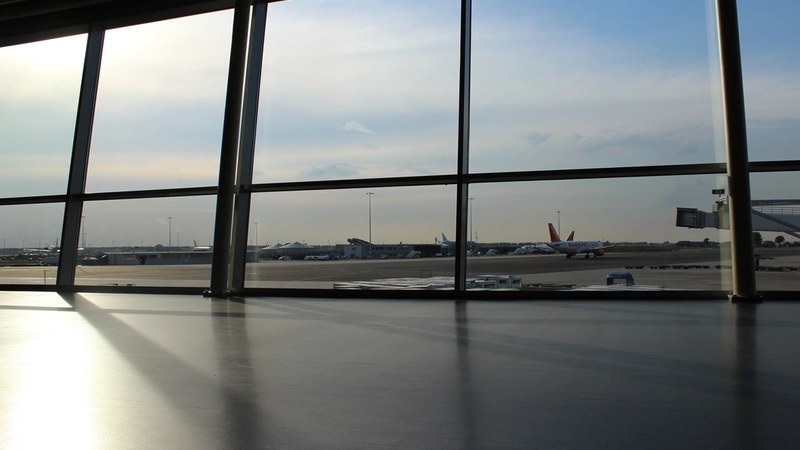
A strike by aviation workers affiliated with the Kenya Aviation Workers Union disrupted flight operations at Kenya’s major airports on September 2, 2026. The labor action, which began as a go-slow on August 31 and escalated on September 1, grounded flights and left thousands of passengers stranded, primarily affecting Jomo Kenyatta International Airport (JKIA) in Nairobi and Moi International Airport in Mombasa.
Extent of Flight Delays and Passenger Impact
Flight operations at JKIA experienced severe disruptions on the second day of industrial action, resulting in delays of several hours on both international and domestic services. Passengers faced long queues, missed connecting flights, overnight waits, and widespread cancellations.
The strike affected routes connecting through Middle East and European hubs, intensifying knock-on delays across regional and long-haul networks. Similar disruptions extended to Moi International Airport and other regional gateways, with some inbound flights held at origin airports to avoid aircraft and crew being stranded without guaranteed turnaround times.
Due to reduced staffing and slower ground handling, travelers bound for the coastal city of Mombasa reported cancellations and lengthy security delays. Some airlines rebooked passengers or provided hotel accommodations when late-night arrivals were no longer feasible. The Nairobi to Mombasa domestic route saw increased passenger congestion with additional pressure on
alternative transport modes.
Strike Causes and Union Disputes
The strike involves airport and air traffic control personnel represented by the Kenya Aviation Workers Union and centers on unresolved salary and benefits issues. Union members are contesting delayed collective bargaining agreements, minimal pay progression since the mid-2010s, and stalled reforms at Kenya Airports Authority and Kenya Civil Aviation Authority. Additional concerns include the growing use of temporary and volunteer staff for critical airport functions, which workers argue undermines safety standards and job security.
Similar industrial actions earlier in 2026, including a strike in February, highlighted ongoing tensions in Kenya’s aviation sector linked to financial constraints faced
by state-run aviation bodies and rising staff expectations amid increased passenger volumes.
Industry Response and Travel Advisories
Airlines responded by reducing frequencies on select routes, consolidating lighter services, and prioritizing long-haul flights. Kenya Airways issued travel advisories urging passengers to monitor flight status continuously and expect extended processing times. Ground staff and airport managers were reassigned to critical bottleneck points, with non-striking personnel working overtime to maintain essential operations. Despite service reductions, safety protocols remained a top priority. Kenya Railways added extra train services between Nairobi and Mombasa to accommodate passengers seeking alternatives amid the strike-related air travel disruption.
Negotiations and Ongoing Operational Challenges
Negotiations between the Kenya Aviation Workers
Union and relevant aviation agencies reportedly led to a suspension of the strike after it initially paralyzed parts of the country’s airspace. However, as of September 2, 2026, flight schedules remained fragile with backlogs of displaced passengers and aircraft causing continued delays. Travel industry experts recommend that passengers anticipate longer wait times at Kenyan airports and maintain flexible travel plans as affected services gradually stabilize.