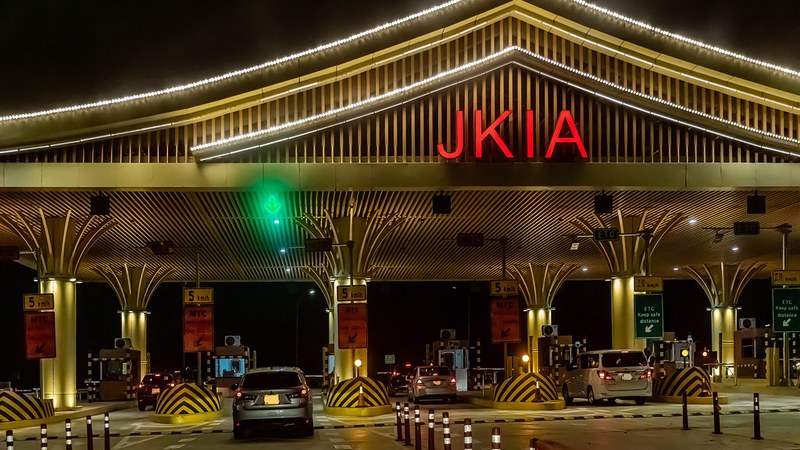
A strike by members of the Kenya Aviation Workers Union has grounded flight operations at Nairobi’s Jomo Kenyatta International Airport (JKIA) on September 3, 2026, leaving thousands of passengers stranded amid widespread delays and cancellations.
Strike Escalation and Nationwide Spread
The industrial action began as a go-slow on Sunday, September 1, before intensifying on Monday with increased participation from airport staff. The strike has affected both international and domestic departures, causing significant operational slowdowns. Disruptions have extended beyond JKIA to other Kenyan airports, including Moi International Airport in Mombasa, where ground handling and security operations slowed, leading to cancellations and extended wait times.
Dispute Causes Centered on Salary and Benefits
The strike
stems from unresolved salary and benefits disputes involving delayed collective bargaining agreements. The Kenya Aviation Workers Union has raised concerns over limited wage progression since the mid-2010s and the stalled reform processes at Kenya Airports Authority and Kenya Civil Aviation Authority. Workers also object to the increasing use of temporary or volunteer personnel in airport operations, which they argue undermines professional standards and job security. This industrial unrest follows earlier strikes, including one in February, highlighting persistent tensions within Kenya’s state-owned aviation entities.
Passenger Impact Including Delays, Cancellations, and Travel Shifts
Thousands of travelers at JKIA and affected regional airports have experienced lengthy flight delays, cancellations, and missed
connections. Some arrivals were diverted or had late-night arrivals rescheduled with passengers moved to hotels. The strike prompted a mode shift for certain domestic travelers from air to rail and road transport, notably on the Nairobi to Mombasa route where Kenya Railways increased services in response to demand. Passengers faced long queues and extended processing times at check-in and security points.
Airline Responses and Operational Adjustments
Kenya Airways and several international carriers have issued advisories urging passengers to verify flight statuses due to prolonged processing times and delays. Some airlines waived change fees, allowing travelers to rebook affected flights without penalty where seat availability allowed.
Airlines have held some inbound flights at origin airports to avoid aircraft and crew being stranded in Kenya due to uncertain turnaround timings. Ground staff and management personnel have been redeployed to critical bottlenecks within airport operations to mitigate the strike’s impact where feasible.
Ripple Effects on Regional and International Routes
Disruptions at Kenyan airports have caused delays on routes connecting through Middle Eastern and European hubs as well as regional East African destinations including Tanzania, Uganda, and Rwanda. Airlines reduced frequencies on lightly booked routes and consolidated services, prioritizing long-haul operations to maintain network stability. The strike’s operational strain has impacted regional connectivity within the Indian
Ocean region, affecting travelers relying on Kenya as a transit hub.
Sector Challenges Amid Ongoing Negotiations
Negotiations between the Kenya Aviation Workers Union and aviation authorities continue, but the strike remains ongoing as of September 3, 2026. The disruptions coincide with a peak travel period involving school holiday returnees. The repeated labor actions underline financial pressures on Kenya’s state-owned aviation agencies and raise questions over balancing workforce demands with operational resilience in one of East Africa’s busiest aviation markets.