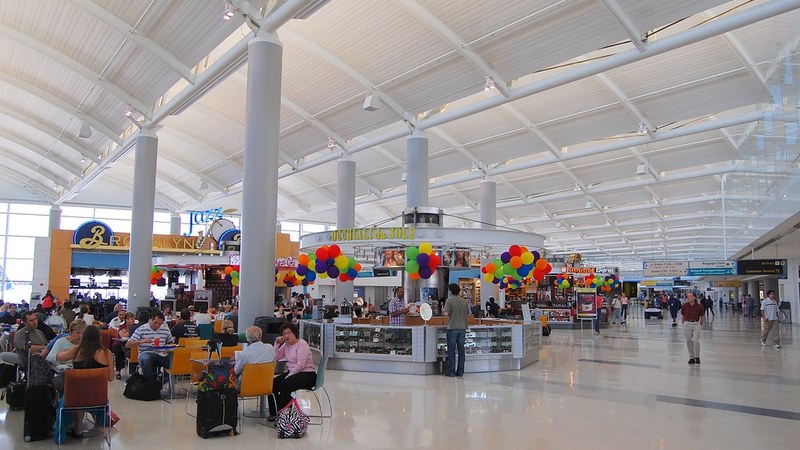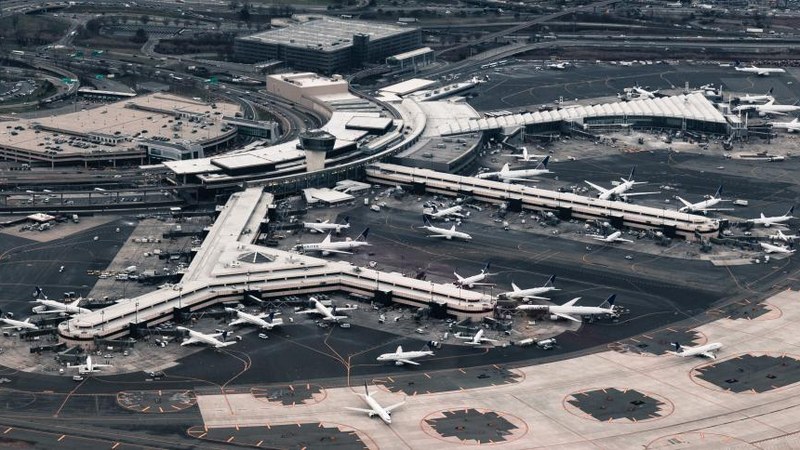
A Federal Aviation Administration (FAA) ground stop was imposed at Chicago O’Hare International Airport on Sunday morning, August 30, 2026, due to strong thunderstorms moving across northern Illinois and the Chicago metropolitan area. The ground stop halted many flights bound for O’Hare and limited arrivals, causing flight delays to surge into the triple digits and sharply limiting departures primarily from major hubs in the Midwest, East Coast, and South.
Flight Delays and Airport Volume Impact
FAA real-time operations data showed delays for flights to Chicago often exceeded two hours, with some reaching three hours or more. On peak days during the Summer 2026 season, O’Hare handles
more than 3,000 flights, a volume that exceeds the airport’s demonstrated capacity. The ground stop imposed sharp constraints on both inbound and outbound flights at one of the most affected airports during the weather event.
Traveler Disruptions and Cascading Effects
Passengers endured significant waits as cascading delays slowed gate turnover and boarding, with outbound flights forced to wait for inbound aircraft and crews delayed by the ground stop. Even after the weather cleared, persistent departure delays, holding, and rerouting of inbound flights continued into the early afternoon. Travelers connecting through O’Hare faced extended delays and higher risks of missed connections due to these conditions.
Regulatory and Operational Context
The
FAA and U.S. Department of Transportation filed formal notices citing overscheduling and congestion at O’Hare during Summer 2026, leading to chronic reliance on ground delay programs and ground stops. The Chicago Department of Aviation coordinates with FAA and airlines on schedule caps and congestion management to address these challenges during the summer season.
Capacity Challenges and Ongoing Management
O’Hare’s capacity issues derive from more than 3,000 peak day flights combined with recurring summer thunderstorms and ongoing airport construction. Tight scheduling and arrival/departure sequencing strain the system further. Federal plans call for aggressive schedule management through at least October 2027 aiming to reduce congestion and improve
operational stability at this major U.S. aviation hub.