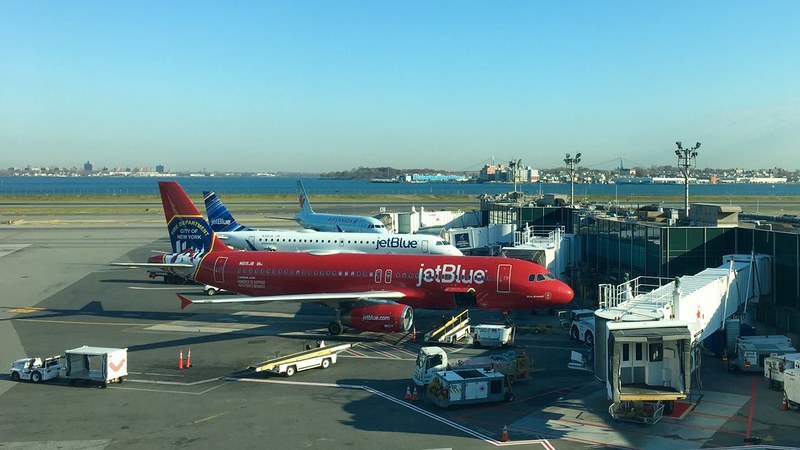
More than 775 flights experienced delays and 52 were canceled across the United States on Tuesday, August 25, 2026, with JetBlue Airlines leading all carriers by canceling 9 flights and delaying 48. Boston Logan International Airport recorded the highest number of flight delays at 19, while Nantucket Memorial Airport was the site of the most cancellations, totaling 11.
Weather and FAA Operational Limits Drive Widespread Disruptions
The Federal Aviation Administration (FAA) reported active thunderstorms disrupting air traffic over Florida and the Southeast, coupled with low cloud ceilings causing issues on the West Coast in San Francisco and San Diego. These conditions prompted the FAA to enact ground delay
programs and ground stops at Orlando, Tampa, Miami, Fort Lauderdale, and Denver.
Windy conditions affected departures and arrivals at Newark Liberty International Airport, where scheduled operations are capped at 72 per hour through the Summer 2026 scheduling season to control congestion. The prolonged thunderstorms impacted additional airports, including Dallas-Fort Worth, further contributing to delays and cancellations.
FAA staffing challenges aggravated flight disruptions. The agency operated with approximately 10,800 fully certified air traffic controllers against a target of 13,800, representing a 20% shortfall. Transportation Secretary Sean Duffy reported controller sick callouts between 40% and 60% at key New York region facilities
in early August 2026. The FAA’s recruitment campaign targeting video gamers delivered over 2,000 new trainees, reaching 94% of its 2026 hiring goal but has yet to close the staffing gap fully.
JetBlue Operational Issues and Airport Capacity Restrictions
JetBlue’s leading cancellation and delay figures reflect internal crew scheduling failures identified in July 2026, which forced the airline to halve JFK Airport operations and cancel nearly 1,000 flights over a weekend. These internal problems left JetBlue vulnerable to the compounded effects of weather and air traffic control bottlenecks.
Federal restrictions on airport operations to reduce congestion have limited airline flexibility. Chicago O’Hare International Airport, for example, was
capped at 2,708 daily flights from May 17 to October 24, 2026, about 15% below scheduled capacity. Newark Liberty International Airport’s hourly limit also restricts traffic, intensifying the impact of compressive weather delays on scheduling and driving cancellations.
Similar weather-related travel disruptions also affected the national system earlier in August 2026, with over 2,000 delays and 263 cancellations nationwide during consecutive days of thunderstorms on August 9 and 10.
Consumer Rights and Passenger Protections
Passengers experiencing domestic flight delays of three hours or more or cancellations are entitled under U.S. Department of Transportation regulations to automatic cash refunds if they decline rebooking offers. Airlines must
process these refunds within seven business days. Additionally, if checked baggage is not delivered within 12 hours domestically, passengers are eligible for automatic reimbursement of bag fees.
These updated regulations aim to provide stronger consumer protections amid recurring flight disruptions. Travelers are encouraged to monitor flight status actively and prepare for extended connection times when traveling through congested hubs affected by weather or operational constraints.