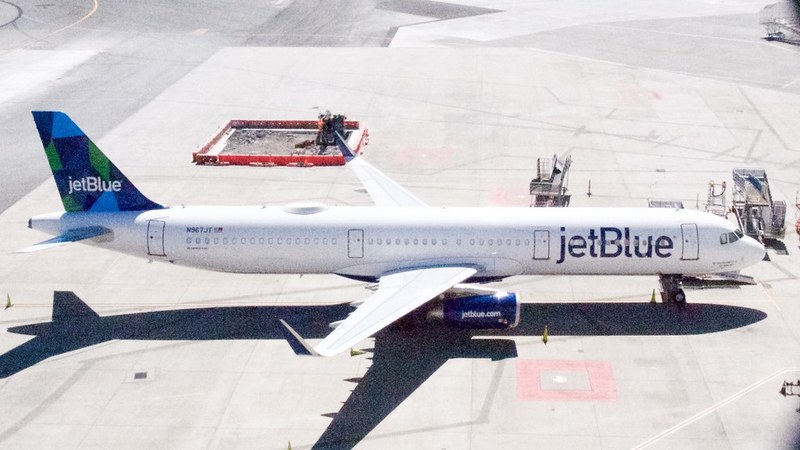
On Tuesday, August 25, 2026, the United States experienced significant air travel disruption with 775 flights delayed and 52 canceled nationwide. JetBlue Airlines recorded the highest individual carrier figures with 48 delays and 9 cancellations. Boston Logan International Airport recorded the highest delay count with 19 delayed flights, while Nantucket Memorial Airport had the most cancellations at 11.
Weather and Operational Controls Cause Widespread Disruptions
Flight delays and cancellations stemmed from thunderstorms impacting Florida and the Southeast, alongside low cloud ceilings on the West Coast affecting San Francisco and San Diego. The Federal Aviation Administration (FAA) implemented ground delay programs and ground stops at Orlando, Tampa, Miami,
Fort Lauderdale, and Denver airports to manage traffic flow amid these weather conditions. Thunderstorms also prompted disruptions in Dallas-Fort Worth.
Capacity limits at key airports compounded operational difficulties. Newark Liberty International Airport maintained a maximum of 72 scheduled operations per hour through summer 2026, while Chicago O’Hare International Airport was capped at 2,708 flights per day from May 17 to October 24, 2026, representing a nearly 15% reduction against scheduled capacity to avoid airspace overload during the busy summer months.
FAA Staffing Shortages and Absenteeism Strain Air Traffic Control
The FAA continues to address chronic understaffing in its air traffic control system, operating with approximately 10,800 fully certified controllers
against a target of 13,800—a 20% shortfall. This deficit slows recovery from routine weather-related disruptions. Sick callouts at key FAA facilities in the New York region reached between 40% and 60% earlier in August, further stressing operations.
In response to staffing challenges, the FAA launched a recruitment campaign in April 2026 aimed at candidates with high spatial awareness and multitasking skills, including video gamers. The effort resulted in over 2,000 trainees and achieved 94% of the agency’s annual hiring goal according to Transportation Secretary Sean Duffy.
JetBlue Crew Scheduling Problems Contribute to High Cancellation Rates
JetBlue’s internal crew scheduling issues have intensified its operational vulnerability. In July 2026, crew
scheduling desk failures caused significant pilot staffing disruptions, forcing JetBlue to halve its operations at JFK Airport and cancel nearly 1,000 flights over a weekend. These ongoing scheduling challenges contributed directly to JetBlue’s leading figures in delays and cancellations on August 25, 2026.
Federal hub capacity restrictions at airports such as Chicago O’Hare leave limited operational buffers. With nearly 15% fewer daily flights allowed compared to booked capacity, airlines like JetBlue are more likely to cancel flights during severe weather rather than accommodating delays.
Passenger Rights and Travel Recommendations Amid Disruptions
Passengers affected by cancellations or delays exceeding three hours on domestic flights are entitled under U.S.
Department of Transportation regulations to cash refunds if they choose not to accept rebooking. Airlines must process refunds within seven business days. Additionally, baggage fees must be refunded automatically if checked luggage is not delivered within 12 hours on domestic routes.
Travelers should allow extra time when connecting through busy airports and monitor flight status via official airline apps or websites. Keeping essential items in carry-on luggage and enabling app notifications for gate changes or delays can mitigate the impact of unforeseen disruptions. Passengers whose flights are canceled are advised to promptly rebook to reduce prolonged travel interruptions.
FAA and Federal Officials Emphasize Capacity Management
The FAA
confirmed the continuation of Newark Liberty International Airport’s operational caps through the summer 2026 scheduling season to alleviate congestion and reduce delays. Transportation Secretary Sean Duffy characterized the sick callout rates at New York region FAA facilities as exceptionally high in early August. The FAA’s recruitment success in April 2026 was highlighted as a key step toward addressing controller shortages.
The air traffic control system has faced numerous disruptions this year. The U.S. Government Accountability Office reported that in 2023, system outages caused over 1,300 flight cancellations and nearly 10,000 delays nationwide. Ground stops and delays due to convective weather
earlier in August 2026 also demonstrated the fragile balance of airport capacity and staffing.