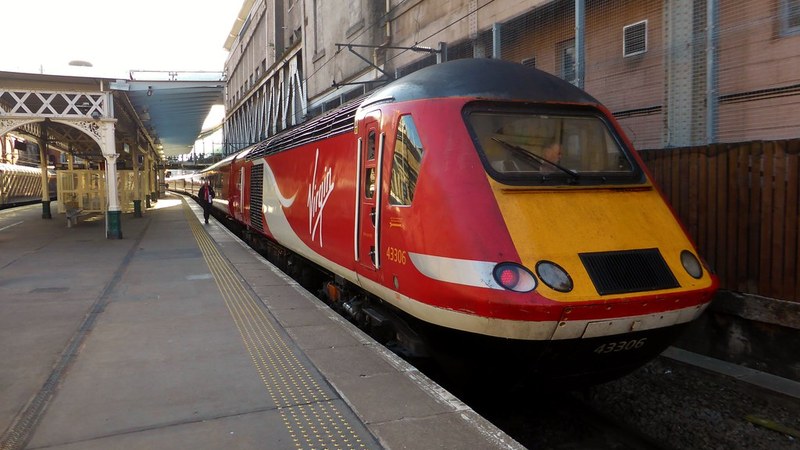
Major disruption occurred on the East Coast Main Line on Sunday, 16 August 2026, caused by damage to overhead electric wires between Peterborough and Stevenage. Train services on this section were suspended or severely restricted, causing widespread cancellations and delays up to two hours.
Affected Routes and Operators
Multiple train operators were affected, including LNER, Grand Central, Great Northern, Hull Trains, Lumo, and Thameslink. Services connecting London King’s Cross with Scotland (Aberdeen, Edinburgh, Glasgow), the East Midlands, Yorkshire, and northern cities such as Sunderland, Bradford Interchange, Halifax, Beverley, Hull, Newcastle, York, Harrogate, Skipton, Bradford Forster Square, Leeds, Lincoln, Carlisle, Sheffield, and Manchester faced disruption.
Congestion at Doncaster caused further bottlenecks and delays on other routes.
Official Statements and Travel Advice
LNER advised passengers not to travel on 16 August 2026, stating: “Due to the severity of the disruption today, LNER are advising that customers DO NOT TRAVEL.” National Rail confirmed that train services were suspended or restricted while safety checks and repair assessments of the damaged high-voltage overhead wires took place. Great Northern and Thameslink strongly recommended passengers check journey status before travel and allow extra time.
Passenger Impact and Ticketing Adjustments
Passengers experienced large crowds and long queues at London King’s Cross station. Tickets valid for travel on 16 August could be used
on 17 and 18 August 2026 without extra cost. Alternative operators accepting these tickets on specific routes included CrossCountry, Northern, and TransPennine Express. Passengers delayed more than 15 minutes or whose services were cancelled were eligible to claim delay repay compensation from their train company.
Cause of Disruption and Industry Context
The damage to the overhead electric wires required extensive safety checks before repairs could commence. Repair work was expected to be complex and time-consuming depending on the extent of damage. This incident came shortly after two recent train derailments near Lewes and Wickford, amid an already challenging period for the UK rail industry.