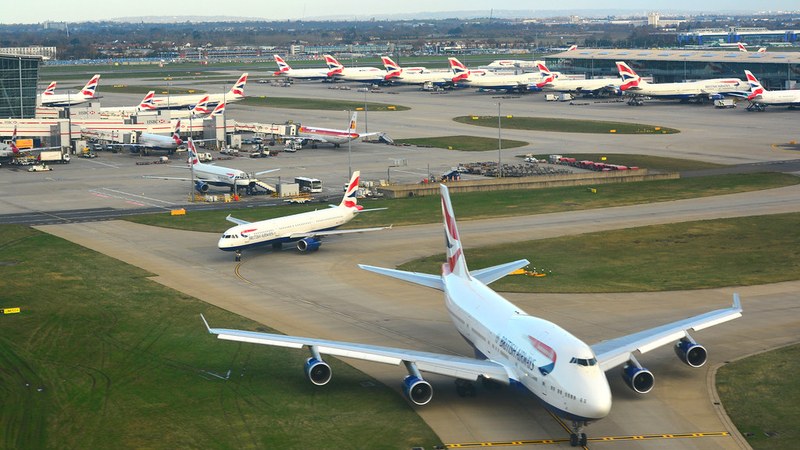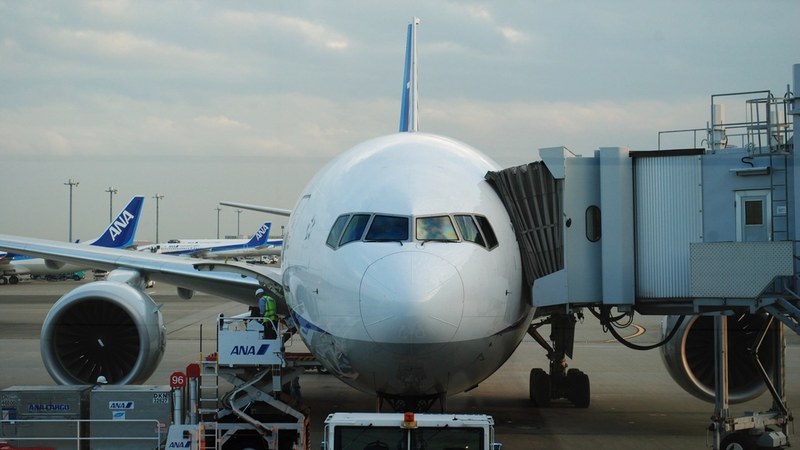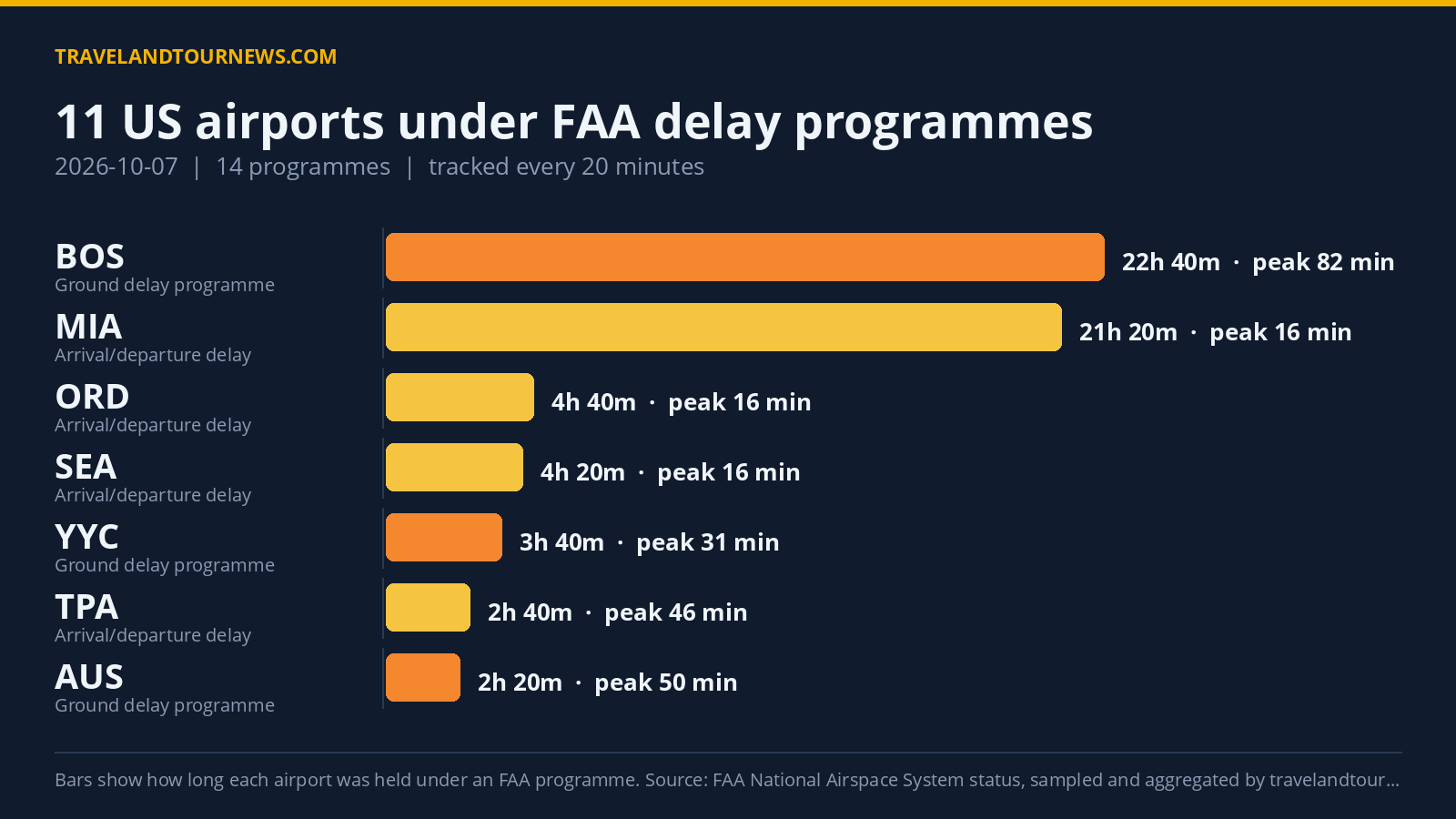
The Federal Aviation Administration (FAA) implemented ground stops at nine U.S. airports on August 22, 2026, due to severe thunderstorms, resulting in more than 800 flight cancellations and 9,430 delays nationwide. The disruption affected arrivals, departures, and transit flights across major terminals, particularly in the Northeast and Midwest.
Northeast and Chicago O’Hare Airports Hit Hardest
Eight key airports in the Northeast corridor and Chicago O’Hare International Airport experienced the brunt of cancellations and delays. Chicago O’Hare recorded 168 arrival cancellations and 281 delays. LaGuardia Airport led in departing flight cancellations, closely followed by Chicago O’Hare. The Baltimore/Washington International Thurgood Marshall Airport also experienced significant operational interruptions amid
the weather and traffic flow restrictions.
Major Airlines React with Flexible Policies
United Airlines faced 281 delays and 50 cancellations at Chicago O’Hare on the disruption day. Delta Air Lines accounted for 63 cancelled flights and 960 delays, equivalent to 26% of its scheduled capacity, mostly affecting its New York-area hubs including LaGuardia. Southwest Airlines ranked second for delays among U.S. carriers at the affected airports. Both United and Delta offered flexible rebooking, waiving change fees and fare differences with conditions: Delta’s waiver applies for rebooking on or before August 13, 2026, while United’s covers flights rebooked for departures from August 9 through August 14, 2026
in the same service cabin and between original cities.
Thunderstorms, Airspace Complexity, and Staffing Shortages Drive Disruptions
The FAA implemented the ground stops primarily due to thunderstorms moving through the Northeast and Chicago regions. Additional contributors included low clouds, runway capacity limitations, and staff shortages at high-density facilities managing traffic to and from major New York airports and Chicago O’Hare. The Northeast corridor’s complex airspace and limited runway availability amplify vulnerability during severe weather events, reducing the system’s capacity to absorb delays and surges in traffic.
Passenger Impact: Missed Connections and Service Challenges
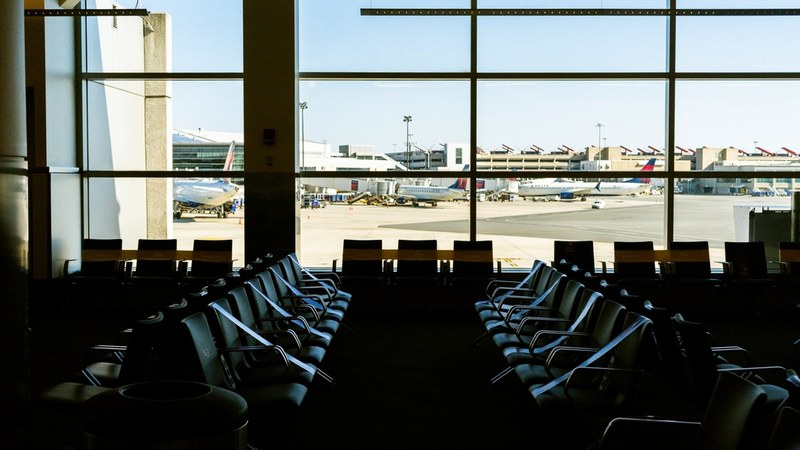
Passengers across affected airports faced long lines at customer service desks and crowded gates. Many experienced missed connections, overnight stays, and difficulties
securing later flights. Some travelers reported being split among different flights due to the disruption. Efforts to rebook generally encouraged use of mobile apps and websites as airlines’ contact centers struggled with increased volumes. Travelers were advised to monitor flight status closely and allow additional connection time, particularly in the Northeast region.
Official Statements on Rebooking
Delta Air Lines stated, “To support customers during the forecasted summer weather affecting the New York area, travel to, from, or through the destinations listed below may be affected. When rebooked travel occurs on or before August 13, 2026 in the same cabin of service as originally booked,
the fare difference will be waived. A fare difference may apply when the waiver is class to class restrictive and the original booking class is not maintained in the rebooked itinerary.”
United Airlines’ travel alert noted, “If your flight is affected, here are your options: You can reschedule your trip and we’ll waive change fees and fare differences. But your new flight must be a United flight departing between August 9, 2026 and August 14, 2026. Tickets must be in the same cabin and between the same cities as originally booked.” United responded to a passenger complaint on social media
by asking for direct message confirmation details to assist further.
System Vulnerabilities and Duration of Disruption Effects
The Northeast’s air traffic system remains vulnerable to weather and staffing constraints, with limited runway capacity and complex overlapping airspace limiting operational flexibility. Persistent controller staffing shortfalls at major hubs exacerbate delays. Ground stops, used by the FAA to safely meter arrivals and manage congestion, can trigger cascading effects nationwide. Industry experts note that the effects of such events often linger one to two days as airlines work to reposition crews and aircraft and accommodate disrupted passengers, especially during peak travel periods.