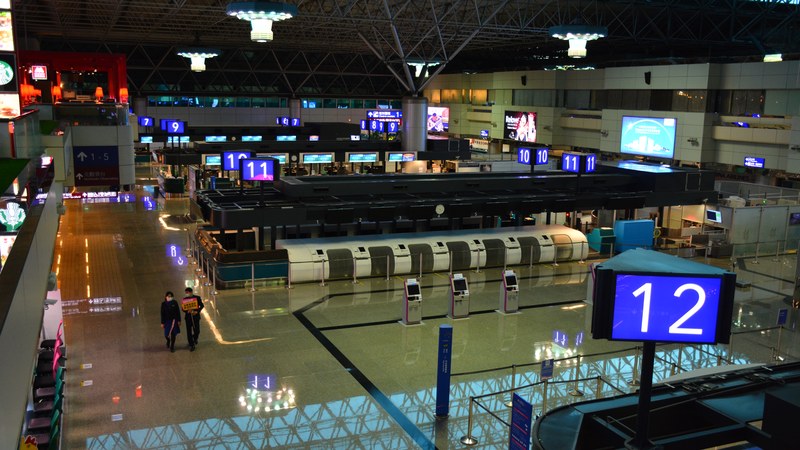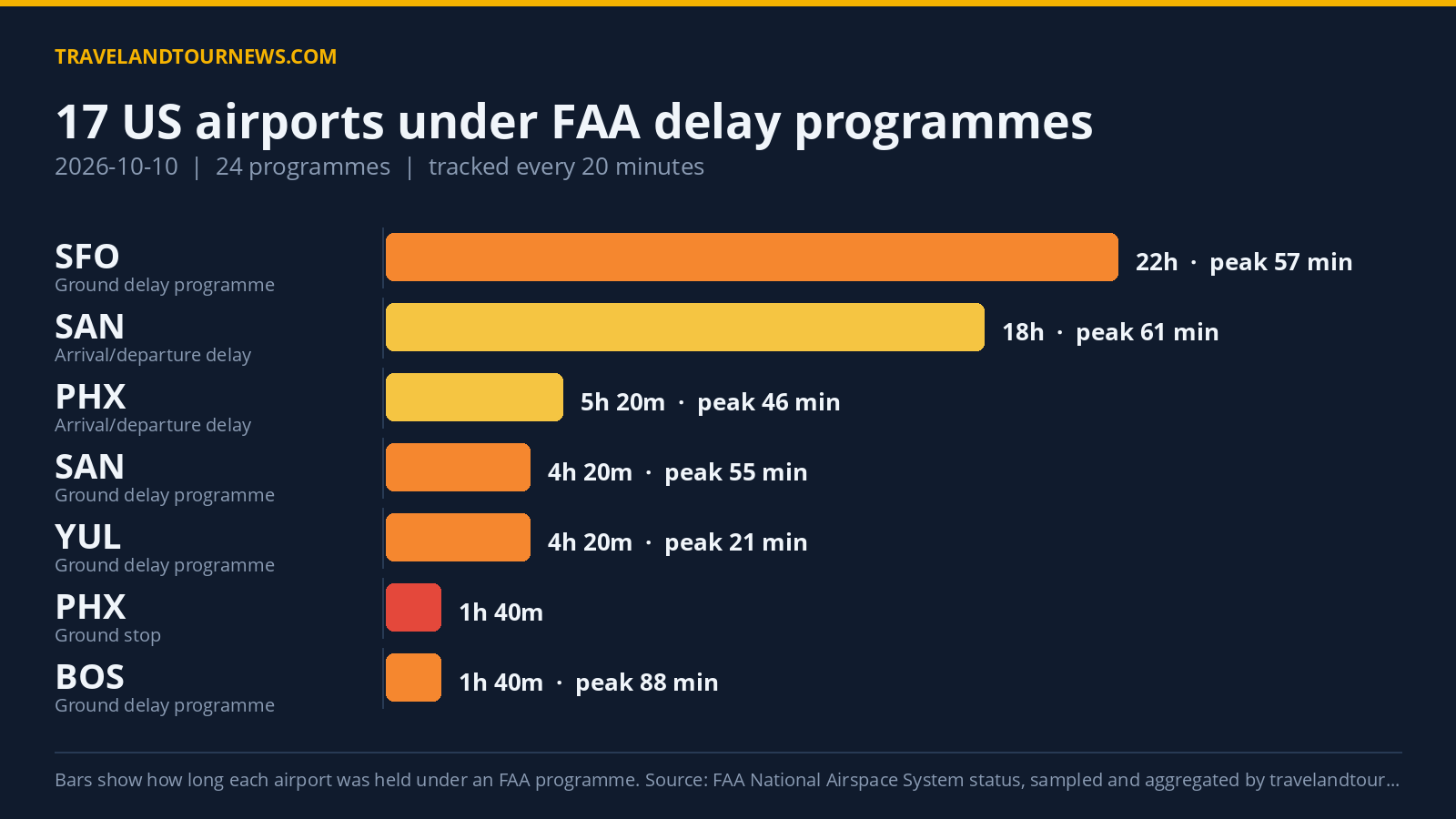
On August 20, 2026, a total of 3,012 flight delays and 596 cancellations were recorded nationwide, with major disruptions centered at San Francisco, New York, and Philadelphia airports. These figures were compiled from flight tracking data at 3:00 pm Eastern Time.
Thunderstorms Trigger FAA Ground Delay Programs
Severe thunderstorms on the East Coast prompted the Federal Aviation Administration (FAA) to implement Ground Delay Programs at key Northeast airports. These weather-related restrictions led to cascading delays and cancellations across the national airspace system due to airlines’ reliance on aircraft rotations. As a result, disruptions at Northeast hubs propagated to West Coast and Midwestern airports.
Data Snapshot and Elevated Traveler Volume
Flight tracking data
collected on August 20, 2026, at 3:00 pm ET captured the extent of the operational gridlock. Elevated traveler volumes, driven by major sporting events such as MLB All-Star Week, America250, and six FIFA World Cup matches in Pennsylvania, further strained air travel and local infrastructure.
FAA and Airline Coordination for Future Storm Seasons
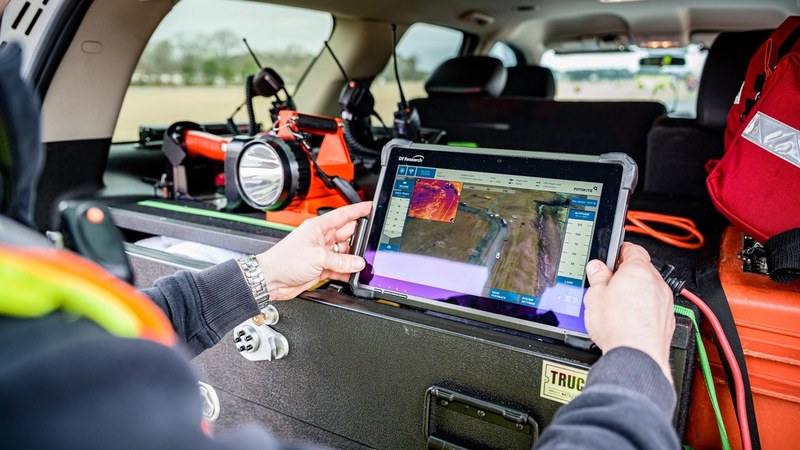
The FAA is collaborating with airlines including Southwest Airlines and American Airlines to optimize flight paths during summer storm seasons. These partnerships aim to reduce the duration and impact of future ground delays. Concurrently, agencies like the Pennsylvania Department of Community & Economic Development and municipal conservation groups are mapping flight delays to improve resilience
against weather disruptions.
Traveler Guidance and Local Infrastructure Support
Passengers affected by delays and cancellations on August 20, 2026, are encouraged to utilize local transit options and regional tourism resources. Low-carbon rail services such as Amtrak’s Northeast Corridor provide alternatives while promoting environmental sustainability. Regional efforts focus on sustaining community economies by encouraging foot traffic in historic districts during extended airport delays.