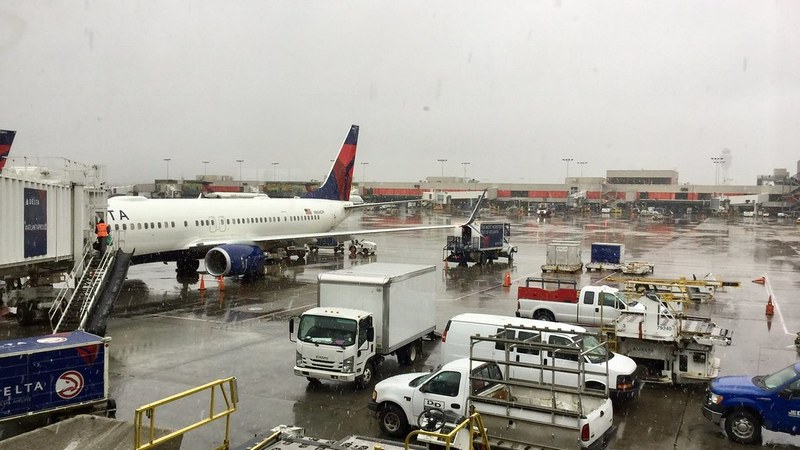
On August 20, 2026, severe thunderstorms and Federal Aviation Administration (FAA) ground-delay programs triggered widespread flight disruptions across the United States. Nationwide, 3,012 flights were delayed and 596 flights canceled as a result of these weather conditions and regulatory measures, according to data compiled at 3:00 pm ET.
Key Airports Impacted and Cascading Effects
Major airports including San Francisco International Airport, key New York-area airports, and Philadelphia International Airport experienced significant operational delays and cancellations. The FAA imposed Ground Delay Programs at major Northeast airports to manage air traffic during the severe East Coast thunderstorms, which caused disruptions to ripple through the national airspace system. Aircraft
rotations dependent on East Coast gateways led to cascading delays impacting West Coast and Midwestern hubs.
Causes Behind the Nationwide Air Traffic Gridlock
Localized severe thunderstorms on the U.S. East Coast forced the FAA to implement ground delays limiting departures at busy airports. These restrictions exposed the vulnerability of the national airspace network, especially in congested corridors. Elevated passenger traffic due to multiple major events, including MLB All-Star Week, America250, and six FIFA World Cup matches held in Pennsylvania, contributed to increased congestion in airspace and airports. Philadelphia’s Parker Administration engaged Epsilon Economics on the same day to assess the economic impact of these simultaneous events, which
together drew more than 500,000 visitors during summer 2026.
Traveler Impact and Local Transit Recommendations
Travelers faced significant delays and cancellations at multiple U.S. airports on August 20, 2026. In response, regional tourism offices and local transit services were urged to assist affected passengers by providing alternatives. Use of low-carbon transportation options like Amtrak’s Northeast Corridor and exploring regional destinations on foot were among the recommended strategies to mitigate disruption effects. Investment in weather-resilient public transit networks is also promoted to protect the environment and improve management of future travel interruptions.
FAA Coordination and Future Aviation Improvements
The FAA is coordinating with major carriers Southwest Airlines and American Airlines to optimize flight
routing during summer storm seasons. This collaboration aims to reduce the duration and extent of weather-related gridlock. Long-term plans for U.S. aviation include modernization of air traffic control systems and airport expansions, which are expected to enhance network resilience and capacity at high-demand airports.