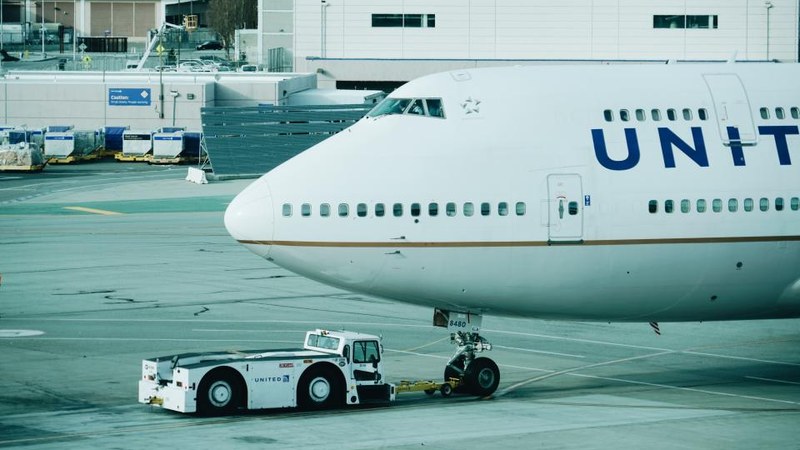
Delta Air Lines will begin nonstop flights from Austin-Bergstrom International Airport to Paris on March 27, 2027, expanding its international service from Austin.
Delta’s Growth and Expanded Operations in Austin
As the second-largest carrier at Austin-Bergstrom, Delta has increased its passenger volume from the city by nearly 15% between 2024 and 2025. The airline currently operates 32 routes from Austin and employs 3,200 workers across Texas. Over the past decade, Delta’s presence in Austin has grown by 900%, further supported by the recent opening of a flight attendant base in the city.
Airport Infrastructure Investments
Delta plans to enhance its facilities at Austin-Bergstrom International Airport with the addition of a
Delta Sky Club and a Delta One lounge. The Delta One lounge will be the airline’s first outside a hub, reflecting Delta’s commitment to improving passenger experience amid Austin’s growth.
Official Statements on Expansion
Joe Esposito, Delta’s executive vice president and chief commercial officer, said, “As you’ve grown your city, we have taken notice of your trends — and we want to be a part of it.” U.S. Senator Ted Cruz, attending the announcement, described the route expansion as an investment befitting a world-class city and noted Austin’s transformation into a tech hub, stating, “The Austin of 1957 bears no resemblance to the Austin
of today.” Ghizlane Badawi, CEO of Austin-Bergstrom International Airport, highlighted that the new nonstop flight to Paris will provide greater access to key global regions, including Europe, Africa, the Middle East, and South Asia.
Badawi also emphasized demand from Central Texas for connections to India and broader international destinations tied to the new route, anticipating increased accessibility for travelers in the region.
Austin’s Economic and Technological Growth
The expansion of Delta’s international flights aligns with Austin’s rapid development as a major technology center, often referred to as “Silicon Valley.” This growth has attracted increased air travel demand and justified investments in airline services and airport
infrastructure to serve the city’s evolving global connections.