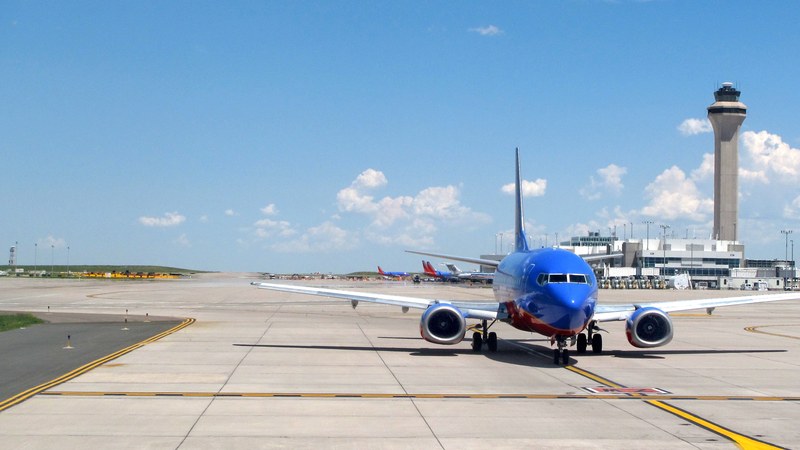
Denver International Airport (DEN) implemented a ground stop at 3:25 p.m. on August 15, 2026, following severe thunderstorms affecting the Denver metro area and Castle Rock. The Federal Aviation Administration (FAA) halted arrivals to manage air traffic congestion caused by the storms, resulting in more than 700 flights delayed or cancelled during the day.
FlightAware tracked 689 delayed flights and 22 cancellations on August 15 at DEN, with delays averaging one hour and 44 minutes. At 4 p.m., the FAA lifted the ground stop, but ongoing severe weather maintained disruptions, leading to 91 recorded cancellations and 708 delays by 4:30
p.m. United Airlines experienced 34 cancellations and 265 delays; Southwest Airlines had 14 cancellations and 211 delays; SkyWest reported 38 cancellations and 121 delays; and Frontier Airlines logged 5 cancellations and 49 delays at that time. The ground stop was used to prevent inbound aircraft from accumulating in holding patterns by keeping them at departure airports.
Meteorological Conditions Behind the Ground Stop
The severe weather was driven by a strong surge of monsoon moisture associated with the North American Monsoon season, which typically impacts Colorado from mid-July through August. This pattern brought heavy rain, localized hail, and flash flooding risks to the Front Range, including possibly
1 to 2 inches of rainfall within 30 minutes, according to meteorologists. The National Weather Service issued a severe thunderstorm watch for the Front Range until 9 p.m. on August 15.
Denver’s high elevation and susceptibility to convective thunderstorms place it among the “Core 30” major U.S. airports most vulnerable to weather-driven ground stops and delays. The FAA implements a ground stop as its most restrictive traffic management action when airport arrival capacity falls sharply due to storms, avoiding aircraft stacking in holding patterns.
Traveler Disruptions and Airline Impacts
Passengers faced flight cancellations and extended delays as the thunderstorms forced significant operational disruptions. Delays averaged
approximately 104 minutes, particularly affecting flights inbound to DEN. United Airlines, operating its second-largest hub at Denver, recorded 216 delays and 4 cancellations, Southwest Airlines reported 249 delays and 3 cancellations, SkyWest had 157 delays and 10 cancellations, while Frontier Airlines cancelled 8 flights on August 15 according to FlightAware data.
The sequence of delays and cancellations required many travelers to adjust plans as the complex weather system continued to disrupt operations throughout the afternoon and evening.
Context of Denver’s Traffic and Weather Vulnerability
Denver International Airport is the fourth busiest U.S. airport, serving over 82.4 million passengers in 2025. United Airlines carried a record 41.4 million
passengers through DEN that year, marking a 6.3% increase over 2024. Three carriers – United, Southwest, and Frontier – account for 88% of Kyle seat capacity at the airport, amplifying the impact of operational disruptions across multiple networks.
The North American Monsoon is a recurring source of intense afternoon thunderstorms that frequently interrupt flight schedules over the Front Range and High Plains region during summer. A similar FAA air traffic disruption occurred at DEN just two days earlier on August 12, 2026, constituting the second major weather-related ground stop within 48 hours. Past events this summer included ground stops and
delays tied to microbursts and rapid convective storms unique to the airport’s geographic and meteorological environment.