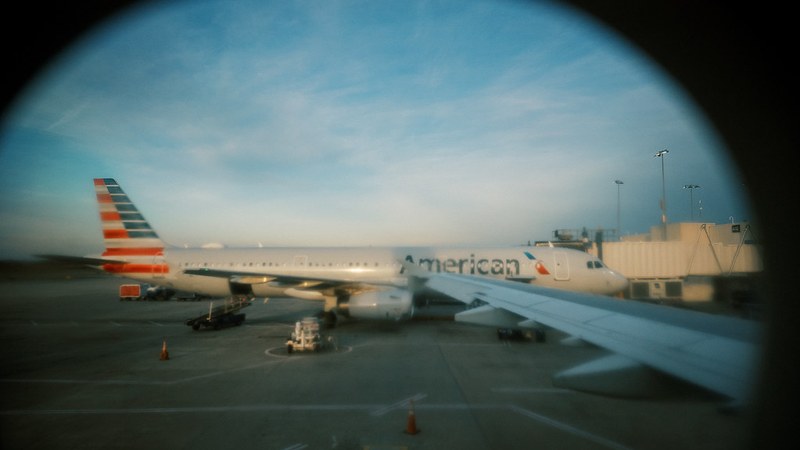
The Federal Aviation Administration imposed a ground stop at Denver International Airport (DEN) on August 15, 2026, beginning at 3:25 p.m. due to severe thunderstorms affecting the Denver metro area and Castle Rock. FlightAware data showed 689 flight delays and 22 cancellations by the end of the day during the disruption.
Airline Disruption Details
United Airlines reported 216 flights delayed and 4 canceled, operating its second-largest hub at DEN. Southwest Airlines experienced 249 delays and 3 cancellations, as DEN is its most-served airport. SkyWest Airlines recorded 157 delays and 10 cancellations, while Frontier Airlines canceled 8 flights based on FlightAware statistics. Later numbers
from The Denver Post updated these totals, showing SkyWest with 121 delays and 38 cancellations, United with 265 delays and 34 cancellations, Southwest with 211 delays and 14 cancellations, and Frontier with 49 delays and 5 cancellations.
Severe Weather and FAA Response
Thunderstorms delivering heavy rain, hail, and flooding advanced over the Colorado Front Range, prompting the FAA to halt arrivals to prevent planes from circling in dangerous conditions. The National Weather Service issued a severe thunderstorm watch for the Front Range through 9 p.m. Hurricane-like rainfall rates of 1 to 2 inches in 30 minutes were forecast for the Denver metro region over the
weekend. The FAA classified the ground stop as a necessary measure when arrival capacity at DEN declined sharply due to storms encroaching on final approach courses.
Ground Stop Lift and Continuing Delays
The FAA lifted the ground stop at 4 p.m., allowing air traffic to resume arrivals at Denver International Airport. Nonetheless, ongoing storm activity sustained delays, with flights arriving at DEN delayed on average between 1 hour 44 minutes and 2 hours. Departure flights from the contiguous United States to Denver encountered average delays of 114 minutes. In total, as of 4:30 p.m., 708 flights were delayed and 91 were canceled according to The Denver
Post.
Denver Airport’s Traffic Volume and Vulnerability to Weather
Denver International Airport is among the FAA’s “Core 30” airports most susceptible to weather-related ground stops due in part to its high elevation and exposure to convective storms. The airport set an annual passenger record in 2025 with over 82.4 million travelers, ranking it the fourth busiest in the United States. United Airlines carried a company-record 41.4 million passengers through DEN last year. United, Southwest, and Frontier Airlines control approximately 88% of DEN’s available seat capacity, amplifying the ripple effect of weather disruptions nationwide.
Recurring monsoon patterns during mid-July through August bring subtropical moisture that often triggers fast-building thunderstorms
and dangerous wind shear over the Front Range. Recent years have seen multiple FAA ground stops at DEN due to these conditions, with the latest event on August 15 following another ground delay program issued just three days earlier on August 12.