A burst water main beneath Inner Ring Road West caused flooding on August 15, 2026, at Heathrow Airport’s Central Terminal Area (CTA), resulting in complete road closures affecting access to Terminals 2 and 3. The airport issued an urgent travel warning advising passengers not to travel by road to these terminals amid the flooding.
Flooding Blocks Road Access While Flights Operate as Scheduled
The flooding exclusively impacted roads surrounding Terminals 2 and 3, completely blocking vehicular access. Despite the road closures, flights were operating as scheduled at Heathrow Airport. Passengers were strongly urged to avoid using cars, taxis, or buses to reach these terminals due to total road gridlock.
Alternative access options recommended include rail services such as the Heathrow Express, the Elizabeth Line, and the Piccadilly Line to connect with Terminals 2 and 3. For passengers traveling by car, the airport directed use of park and ride facilities at Terminals 4 or 5, with free inter-terminal rail transfers to Terminals 2 and 3. Local rail stations also provide options for passengers to transfer before entering the central terminal zone.
Official Response and Mitigation Efforts
A Heathrow Airport spokesman confirmed that ongoing flooding in the central terminal area led to on-going road closures restricting access to Terminals 2 and 3. Airport engineering teams and
local authorities were actively pumping out floodwaters, assessing any structural damage, and working to clear blocked roads.
The spokesman requested that passengers allow extra journey time when traveling to or from Heathrow and reiterated that those using road transport to Terminals 2 or 3 risk missing flights given the complete road blockage. Authorities apologized for any disruption caused as they worked to resolve the situation swiftly.
Disruption Impacts Peak Summer School Holiday Travel
The flooding incident occurred during the peak school summer holiday travel season, when Heathrow experiences exceptionally high passenger volumes. The airport recently recorded a single-day passenger count reaching 267,000, underscoring the scale of potential
travel disruptions linked to the incident.
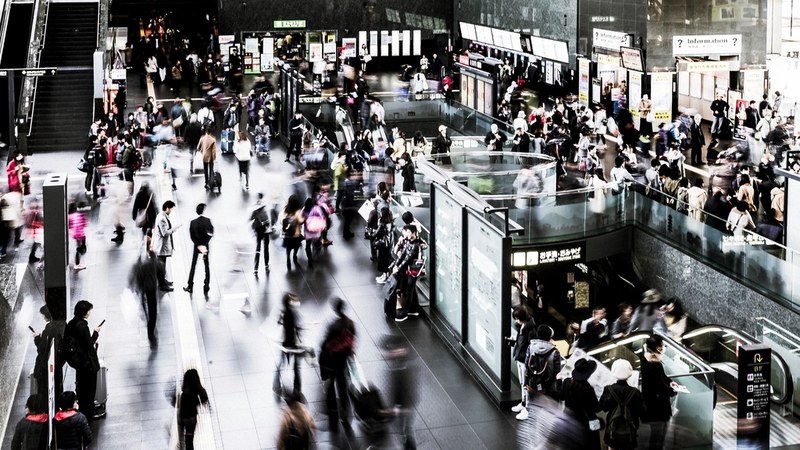
The disruption was confined to roads outside Terminals 2 and 3, with no reported flooding inside the terminal buildings. However, the road closures have induced cascading delays and significant congestion within the terminals as passengers navigate alternative transportation.