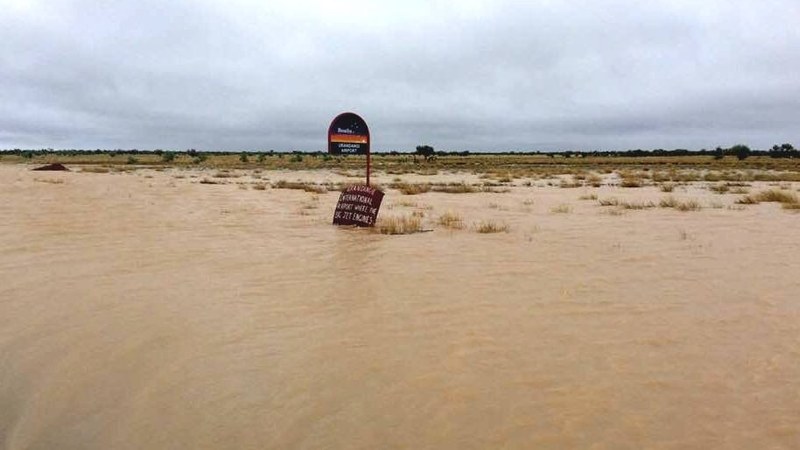
On 15 August 2026, Heathrow Airport reported severe flooding caused by a burst water main beneath the Inner Ring Road West. The floodwaters blocked road access to the Central Terminal Area (CTA), notably Terminals 2 and 3, resulting in major road closures and preventing vehicular routes to these terminals.
Heathrow Airport has issued an urgent travel advisory against any road travel to Terminals 2 and 3. Passengers are advised to use rail services, including the Heathrow Express, Elizabeth Line, and Piccadilly Line. Those who must travel by car should use Park and Ride facilities at Terminals 4 or 5 and
then transfer via free rail services to Terminals 2 and 3.
Airport engineering teams and local authorities are actively pumping out floodwater and assessing damage to infrastructure. Despite the disruption, flights at Heathrow continue to operate as scheduled. This incident occurs during the peak summer school holidays, shortly after Heathrow handled a peak daily passenger volume of 267,000.
Travelers are urged to allow extra time for their journeys and avoid road travel to Terminals 2 and 3 due to complete road blockages and anticipated gridlock. Use of taxis, buses, or private vehicles to these terminals is strongly discouraged. Access to
Terminals 2 and 3 is only possible via rail services or by first arriving at Terminals 4 or 5 and using the free rail transfer.
Heathrow Airport spokesman stated: “Flooding in the central terminal area has resulted in on-going road closures restricting access to Terminals 2 and 3. Passengers traveling to or from either of these terminals today must not travel by road. Passengers are strongly advised to use Heathrow Express, Elizabeth Line and Piccadilly Line rail services where possible. Any passengers that must travel by car must use Park and Ride, head to Terminals 4 or 5 and take
free rail services from there, or change at local rail stations. Please allow extra time for your journey. Our teams are working to resolve the situation as quickly as possible, we apologise for any disruption caused.”