The Federal Aviation Administration (FAA) issued a ground stop at Denver International Airport (DEN) at 3:25 p.m. MDT on August 15, 2026, due to severe thunderstorms affecting the Denver metro area and Front Range. The ground stop halted inbound flights to DEN, resulting in more than 700 flights delayed or canceled that day. By the end of operations, FlightAware data reported 689 delayed flights and 22 cancellations at the airport.
Airline Delays and Cancellations Breakdown
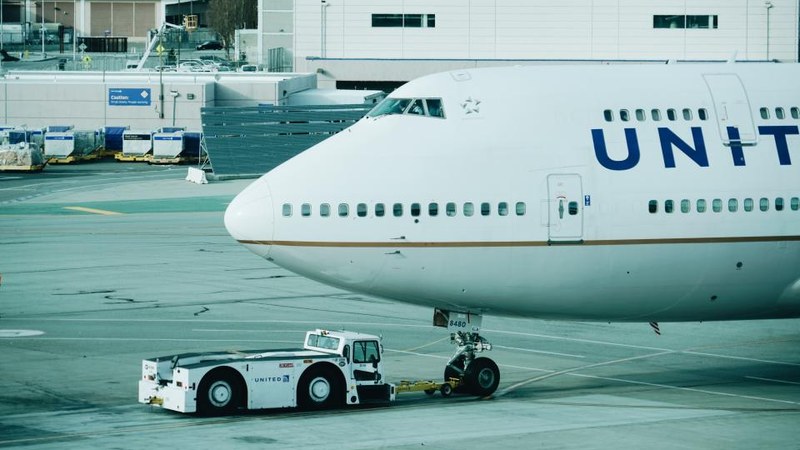
United Airlines experienced 216 delayed flights and four cancellations, reflecting DEN’s role as its second-largest hub. Southwest Airlines faced 249 delays and three cancellations, while SkyWest Airlines reported 157 delays
and 10 cancellations. Frontier Airlines canceled eight flights amid the ground stop. Collectively, these four carriers dominate DEN’s available seat capacity, controlling 88 percent of the market share, with Southwest and Frontier serving the airport as their busiest and second-busiest airports respectively.
Weather Conditions Causing Disruptions
The ground stop was triggered by a storm system linked to the North American Monsoon, which brings subtropical moisture into Colorado from mid-July through August. The thunderstorms delivered heavy rain, hail, flash flooding risks, and damaging winds across the Denver metro, Castle Rock, and Colorado Front Range. The National Weather Service issued a severe thunderstorm watch for the
Front Range region through 9 p.m. MDT on August 15, 2026.
Delays, Passenger Volume, and Airport Significance
Prior to the ground stop, average arrival delays to DEN were approximately 1 hour and 44 minutes and increased to about 2 hours after the FAA lifted the stop at 4 p.m. MDT. Denver International Airport served more than 82.4 million passengers in 2025, ranking it the fourth-busiest airport in the United States. United Airlines alone passed 41.4 million passengers through its DEN hub in 2025, marking a 6.3 percent growth over 2024. The airport’s high elevation and exposure to convective storms place it among the FAA’s “Core 30”
airports most vulnerable to weather-related disruptions.
Operational Impact and FAA Response
The FAA’s ground stop is its strictest air traffic control measure, used to prevent inbound flights from stacking in holding patterns when airport arrival capacity effectively drops to zero due to weather. The stop was lifted approximately 35 minutes after issuance once conditions improved. The ground stop also caused ripple effects across flights originating from other airports destined for Denver International Airport, increasing delay times significantly. FAA officials noted this measure was necessary because thunderstorms directly impacted final approach pathways, making arrivals temporarily unsafe.
Context of Repeated Summer Disruptions
This disruption on August 15 continues a trend of monsoon-related
weather impacts on Denver’s air traffic during summer 2026. Just three days prior, on August 12, the FAA implemented a nationwide ground delay program for DEN-bound flights amid developing monsoon storms. Similar ground stops occurred in July and earlier months, often involving heavy rain, hail, flash flooding, and damaging winds across the Front Range. Denver International Airport’s vast 53-square-mile property and $47.2 billion annual economic impact underscore the high stakes when its operations are briefly halted by storm cells.