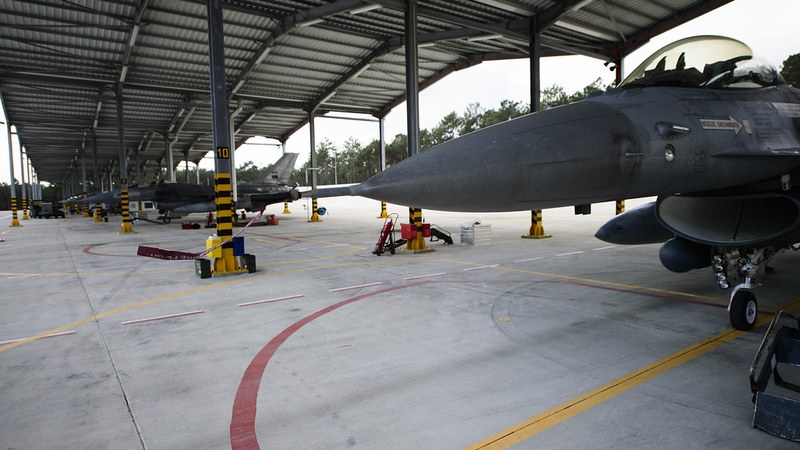
A ground stop at Denver International Airport (DEN) on August 15, 2026, led to delays or cancellations affecting more than 700 flights. The Federal Aviation Administration (FAA) halted arrivals at DEN at 3:25 p.m. due to severe thunderstorms over the Colorado Front Range, grounding inbound planes at their origin airports to prevent airborne stacking. FlightAware tracked 689 delayed flights and 22 cancellations at DEN by the end of the day.
Airline-Specific Delays and Cancellations
United Airlines, operating its second-largest hub at DEN, faced 216 delayed flights and 4 cancellations amid the ground stop. Southwest Airlines, the airport’s most-served carrier, recorded the highest number of
delays at 249 with 3 cancellations. SkyWest reported 157 delays and 10 cancellations, while Frontier Airlines canceled 8 flights during the disruption and later experienced additional delays.
Weather Conditions and Meteorological Causes
Severe weather impacted the Denver metro area and Castle Rock with heavy rain, hail, flooding, and strong winds tied to a North American Monsoon moisture surge. The National Weather Service issued a severe thunderstorm watch for the Front Range until 9 p.m. Local rainfall rates were estimated to reach 1 to 2 inches within 30 minutes, raising flash flooding risks. Thunderstorms interfered with final approach courses, prompting the FAA to intervene with the
ground stop.
FAA Ground Stop Actions and Ongoing Disruptions
The FAA imposed the ground stop to prevent aircraft from stacking in holding patterns due to deteriorating weather conditions at DEN. Despite lifting the ground stop at 4 p.m., delays persisted with FlightAware reporting 91 cancellations and 708 delays as of 4:30 p.m. The FAA had anticipated extending ground delays potentially until 9:59 p.m. The agency cautioned continued disruptions as storms remained active across the region.
Traveler Impact and Airport Context
Flight delays averaged approximately 1 hour and 44 minutes during the event, significantly extending travel times for passengers bound for Denver. Departures to DEN from across the contiguous United States were delayed
an average of 114 minutes during the ground stop. Denver International Airport, which covers 53 square miles and handles a network serving major carriers, faces frequent disruption from seasonal convective storms related to elevated regional monsoon activity.
In 2025, DEN set an all-time annual passenger record, serving over 82.4 million travelers and ranking as the fourth-busiest U.S. airport. United Airlines carried a record 41.4 million passengers through DEN in 2025, marking a 6.3% increase over the previous year. United, Southwest, and Frontier Airlines collectively command 88% of total seat capacity at the airport, amplifying the network impact of weather-driven ground
stops like the one on August 15.