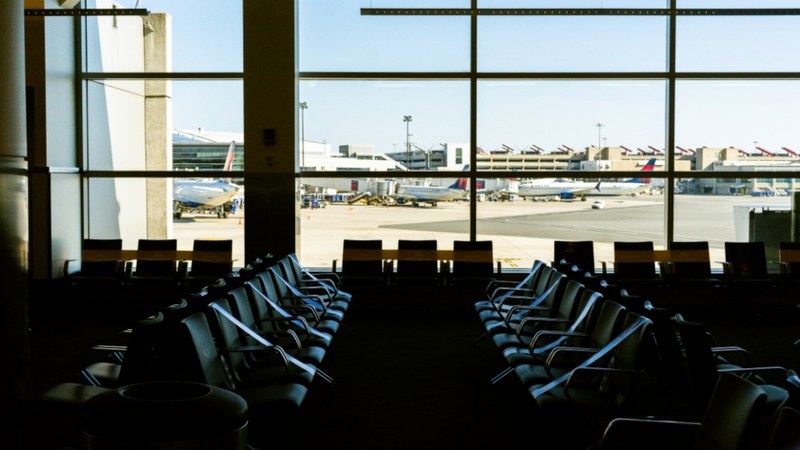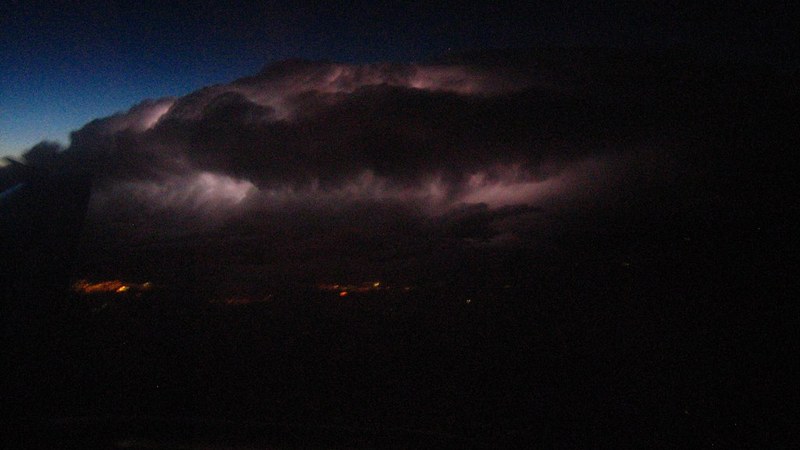
The Federal Aviation Administration ordered a ground stop at Denver International Airport (DEN) at 3:25 p.m. on Friday, August 14, 2026, responding to severe thunderstorms in the Denver metro and Colorado Front Range areas. The ground stop delayed or cancelled more than 700 flights, with FlightAware tracking 689 delayed flights and 22 cancellations overall.
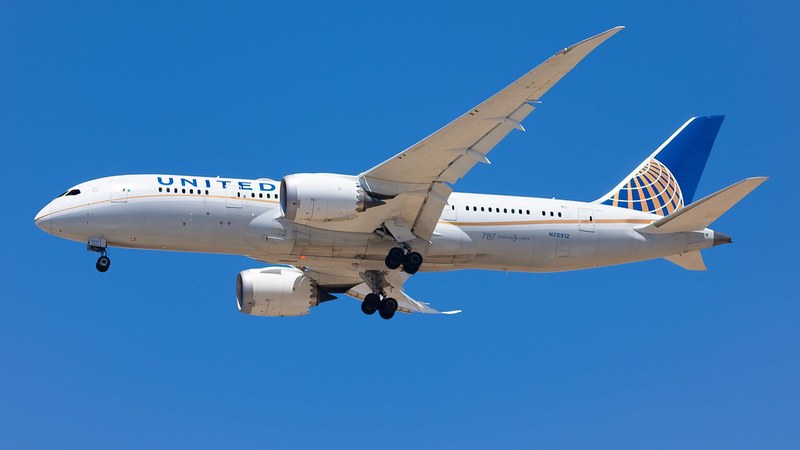
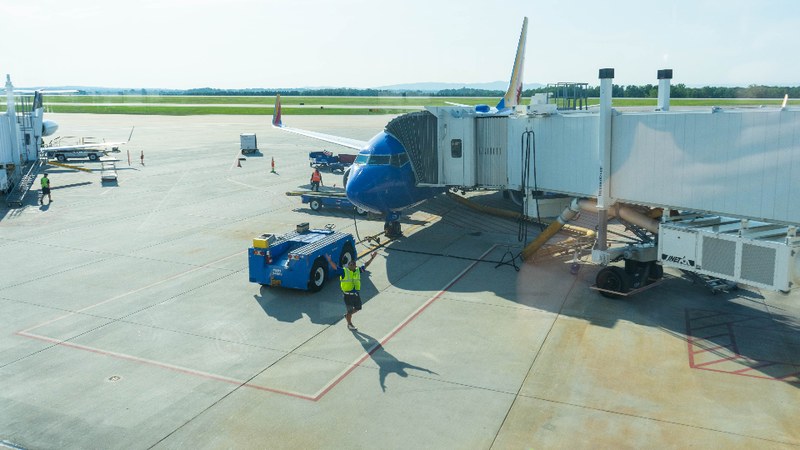
United Airlines reported 216 delayed flights and four cancellations, Southwest Airlines had 249 delays and three cancellations, SkyWest Airlines recorded 157 delays and ten cancellations, and Frontier Airlines cancelled eight flights during the disruption.
Weather Conditions and Flight Delay Duration
The ground stop was triggered by severe weather including heavy rain, hail,
and flooding across the Colorado Front Range. These conditions led to weather-related delays averaging one hour and 44 minutes at Denver International Airport. A ground delay program also began at 3 p.m., with expected delays averaging 104 minutes and anticipated to continue through midnight.
Storms were forecast to remain over the region until 10 p.m. and persist into the overnight hours, maintaining the potential for ongoing disruption at DEN.
Operational Vulnerabilities of Denver International Airport
Denver International Airport’s location at high elevation and exposure to convective storms during the North American Monsoon season makes it susceptible to weather-driven ground stops. This monsoon pattern, active from mid-July
through August, delivers subtropical moisture that generates fast-forming afternoon thunderstorms over the High Plains.
DEN handled over 82.4 million travelers in 2025, ranking as the fourth-busiest airport in the United States. United Airlines operates its second-largest hub at Denver, carrying more than 41.4 million passengers through DEN in 2025, a 6.3% increase over the prior year. Alongside Southwest and Frontier, these carriers represent 88% of available seat capacity at the airport.
Traveler Impact and Airline Disruption
The ground stop on August 14 led to more than 700 flight delays and cancellations, affecting multiple major airlines. Southwest Airlines recorded the highest number of delayed flights with
249 delays, followed by United Airlines with 216 delays. SkyWest and Frontier also reported significant cancellations and delays, totaling 18 cancellations combined across both carriers.
Flight delay averages indicate substantial waiting times for passengers, with most delays lasting close to two hours during the ground stop period.
Historical Context of Weather Disruptions at DEN
This ground stop is one of several weather-related disruptions affecting Denver International Airport during the summer of 2026. On August 12, just two days prior, the FAA issued a ground delay program that caused average arrival delays of 144 minutes due to developing monsoon storms. Earlier in July, storms caused nearly 800 flight
delays and 27 cancellations during a similar ground stop.
Denver International Airport’s vulnerability to weather delays is underscored by its inclusion among the FAA’s “Core 30” airports most affected by weather-related ground stops and delays. The seasonal thunderstorms and associated hazards like wind shear routinely disrupt operations at DEN, which supports significant air traffic volume linking nationwide and regional airlines.
The combination of monsoon season convective activity and a high number of flights through a major hub magnifies the impact of these storms on air traffic in the Denver area.