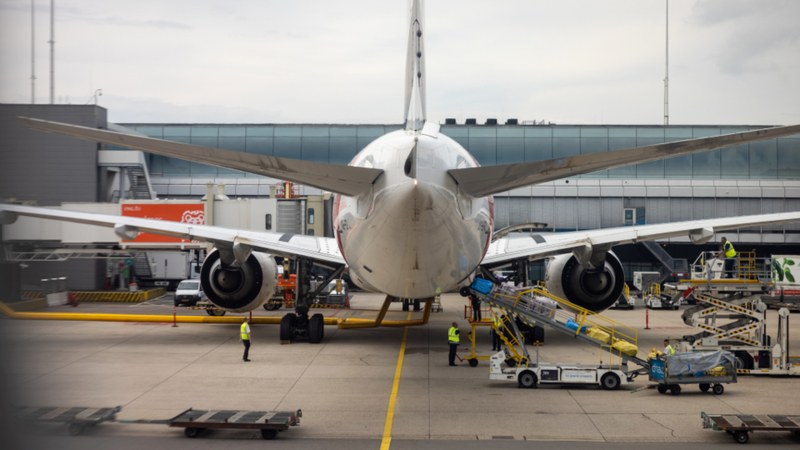
A burst water main beneath Heathrow Airport’s Inner Ring Road West caused flooding that restricted road access to Terminals 2 and 3 on Saturday, August 15, 2026. The leak was discovered in the early hours of the day, immediately disrupting passenger movement to these terminals.
Restricted Road Access and Passenger Advisories
Flooding forced closures of all roads leading to Terminals 2 and 3 in the central terminal area. Heathrow Airport issued a strong advisory against road travel to and from these terminals during the disruption. Passengers were urged to use rail services, including Heathrow Express, Elizabeth Line, and the Piccadilly Line, as alternatives to car travel.
Those needing to arrive by car were directed to Park and Ride facilities or to use Terminals 4 or 5, transferring to Terminals 2 and 3 by free rail connections.
Road Reopening and Ongoing Repairs
By 12:25pm on August 15, all roads to Terminals 2 and 3 were reopened. A Heathrow spokesperson confirmed that the leak had been isolated and repair work was underway, adding, “The burst water main is continuing to impact road operations in the central terminal areas. The leak has been isolated and we’re working on repairs.” The airport stated normal operations continued throughout the disruption and apologized for inconvenience while thanking
passengers for adhering to travel advisories.
Passenger Disruption During Peak Summer Travel
The flooding incident forced many travelers to alter their plans amid one of the busiest periods at Heathrow, coinciding with school holidays. Passenger Rahel Staeheli and her family, scheduled to fly from Terminal 2 to Vancouver, initially planned to use a ride-hailing service but were unable to access Terminals 2 or 3 by car. They switched to using London’s Tube network instead. Staeheli commented, “Now we’re late and hopefully we’re going to catch our flight.”
Heathrow’s Capacity and Expansion Plans
Terminal 2, Heathrow’s second busiest terminal, accommodates over 16 million passengers yearly and serves as the primary hub for
Star Alliance airlines such as Lufthansa, Singapore Airlines, and Turkish Airlines. The airport operates two runways at near-full capacity and recorded 7.86 million passengers across four terminals in July 2026. On July 19, Heathrow handled 267,000 passengers, marking its busiest day of the year.
Heathrow lost its status as Europe’s busiest airport to Istanbul Airport in July 2026, which recorded 8.15 million passengers in the same month. The airport is seeking government approval to build a third runway as part of an expansion plan aimed at increasing capacity to 150 million passengers annually.
In a statement following the flooding incident,
Heathrow emphasized its operational capacity and expansion goals: “Heathrow is operating at capacity. The case for expansion has never been clearer, as Heathrow was overtaken in July by Istanbul airport as the busiest hub in Europe. Our plans will ensure the country gets the infrastructure it needs to stay competitive and will deliver all-important economic growth.”