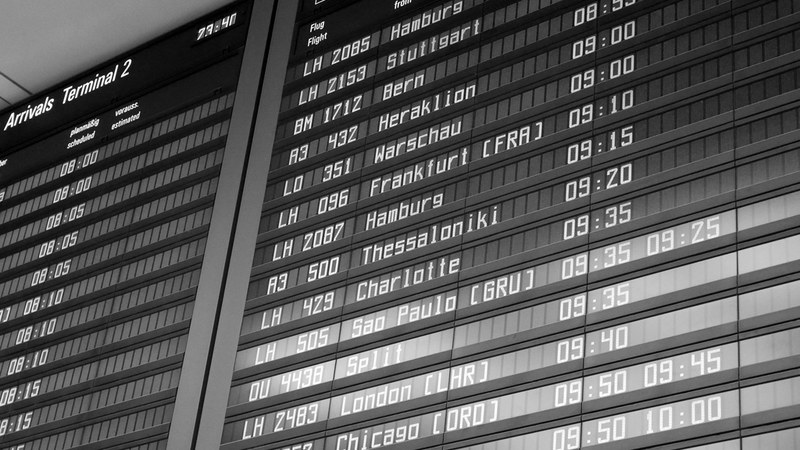
On August 9, 2026, thunderstorms across northern Illinois led the Federal Aviation Administration (FAA) to implement a ground delay program at Chicago O’Hare International Airport (ORD). The severe weather caused arrival metering delays averaging one hour and 45 minutes, with a published maximum delay reaching five hours and 22 minutes, according to FAA data.
The FAA’s National Airspace System airport status board reflected this ground delay program at O’Hare, where flights were held or spaced from their origin airports to manage reduced arrival capacity due to the storm activity. These metering tactics are designed to maintain safe landing operations when
runway availability and airspace are constrained by weather.
Chicago Midway International Airport (MDW) also experienced weather-related control measures on the same day. The FAA reported a thunderstorm-related ground stop at Midway, effectively freezing departures until approximately 4:15 p.m. Central Daylight Time. A ground stop is a more restrictive measure than a ground delay program, halting departures completely for a specific duration to address sudden capacity reductions.
At O’Hare, departure metering persisted throughout August 9, with delay bands ranging between one hour and 16 minutes up to one hour and 30 minutes. This impacted flights outbound from Chicago as much as
arrivals, extending gate waits and taxi times and potentially complicating connections and onward travel plans.
American Airlines responded by issuing severe weather travel alerts for flights through O’Hare on August 9. The airline waived change fees for passengers holding tickets purchased by August 8 for travel originally scheduled that day, permitting rebooking through August 11 within the same cabin and route parameters. Travelers were encouraged to use airline rebooking tools promptly while waivers were active.
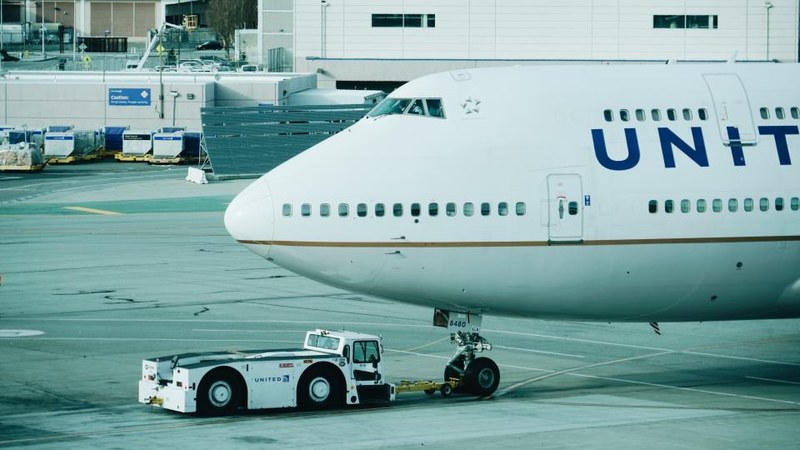
Other major O’Hare operators like United Airlines, the largest hub carrier at the airport, activated their own weather management procedures consistent with FAA initiatives. Passengers
were advised to verify operating carrier apps for flight updates rather than relying solely on general airport status boards.
The FAA employs ground delay programs and ground stops as standard tools to manage air traffic flow during severe weather events. Ground delay programs hold flights at their departure point or space arrivals to reduce congestion once capacity returns, while ground stops temporarily halt departures entirely when conditions are critical.
Travelers using O’Hare on August 9 faced nearly two-hour average delays on arrivals, with risks of missed connections heightened by overlapping inbound and outbound flow restrictions. Passengers were advised to check
flight status frequently, allow extra time for connections, and confirm that rebooked itineraries included updated baggage tags and maintained any special service requests. Delayed arrivals and departures could also affect ground transportation and hotel check-ins.
Weather-related ground delay programs are common across major U.S. hubs during thunderstorms. The August 9 event at O’Hare follows similar FAA measures previously seen at airports like Boston Logan earlier that month. Such programs aim to balance safety and operational efficiency when storms temporarily reduce airport capacity.