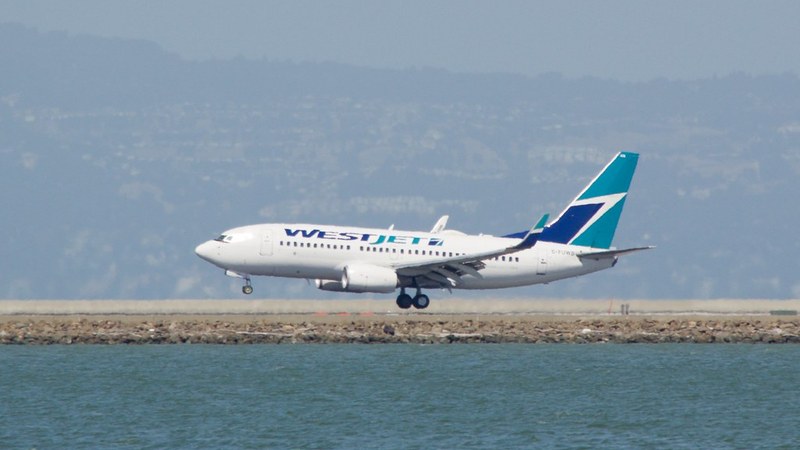
WestJet is gradually restoring its flight schedule after a cabin crew strike that began several days before early August 2026 forced cancellations across Canada’s main airports and key international routes. The stoppage, caused by a breakdown in negotiations over pay and compensation for ground duties, led to hundreds of flights canceled and aircraft idle at hubs including Calgary International Airport, Edmonton International Airport, Vancouver International Airport, and Toronto Pearson International Airport.
Earlier this week, WestJet and the union representing its approximately 4,400 flight attendants, CUPE Local 8125, reached a tentative contract agreement ending the strike. The agreement prompted a rapid
return of cabin crew to work, limiting the walkout’s duration compared to previous disputes in Canada’s aviation sector. Nonetheless, cancellations and delays continue as the airline works to recover from the multi-day operational shutdown.
Recovery Efforts Involving Aircraft and Crew Repositioning
WestJet is actively repositioning aircraft and flight crews among its major bases to restore normal routes and schedules. This process involves ferrying planes back to major hubs, completing necessary maintenance on idle aircraft, and rebuilding crew rosters that comply with duty-time and rest regulations. The airline must balance this repositioning to align aircraft availability with scheduled flights while ensuring flight attendants and pilots are properly located.
Ongoing Disruptions and Route Recovery
Operational data and traveler reports show a decline in same-day cancellations since the tentative agreement. Flights departing from Calgary, Edmonton, Vancouver, and Toronto are increasingly operating on schedule. However, some ongoing disruptions persist, primarily on longer-haul and leisure routes as well as certain transcontinental services, where equipment and crew shortages remain more pronounced. Domestic service between major Canadian hubs is recovering more rapidly, with quicker aircraft and crew turnaround supporting improved reliability.
Passenger Impacts and Flexible Policies
Passengers continue to experience delays, last-minute cancellations, and aircraft changes amid recovery efforts. Airport check-in counters and call centers at impacted airports have been notably busy handling a
backlog of rebooking requests. WestJet has maintained its flexible change and cancellation policy that travelers have relied on since before the strike began, allowing passengers to make adjustments without penalty during the ongoing recovery period.
Canadian air passenger protection rules entitle customers whose flights are canceled due to the strike to refunds or alternative transportation options, depending on the classification of the disruption. Passengers are advised to keep all notices and receipts related to cancellations for documentation purposes. CUPE Local 8125 president Alia Hussain emphasized the union’s commitment to flexibility: “I’m sure [the labour dispute] has introduced a lot of
uncertainty for [passengers], and I think it’s the responsibility of the organization to allow for flexible changes to the people who pay my mortgage.” She also noted both sides remain committed to concluding negotiations.
Labour Context and Historical Patterns
This strike follows increased labor tensions in Canada’s aviation sector, including a WestJet mechanics’ strike that disrupted operations over the Canada Day long weekend in summer 2024. Industry observers note that the current recovery matches typical patterns seen in previous Canadian airline labour disputes: a spike in cancellations at strike onset followed by a gradual restoration of operations within several days after agreements are reached.
WestJet
aims to reduce cancellations, improve on-time performance, and rebuild passenger confidence during the summer travel season. Their management stated, “We believe that an agreement can be reached while avoiding guest disruption. However, we understand that uncertainty around travel plans can be concerning.” Passengers are advised to monitor flight statuses and expect potential gate or schedule changes. Those with flexible travel plans may find benefits in rebooking to less crowded or later flights as WestJet continues its network realignment.