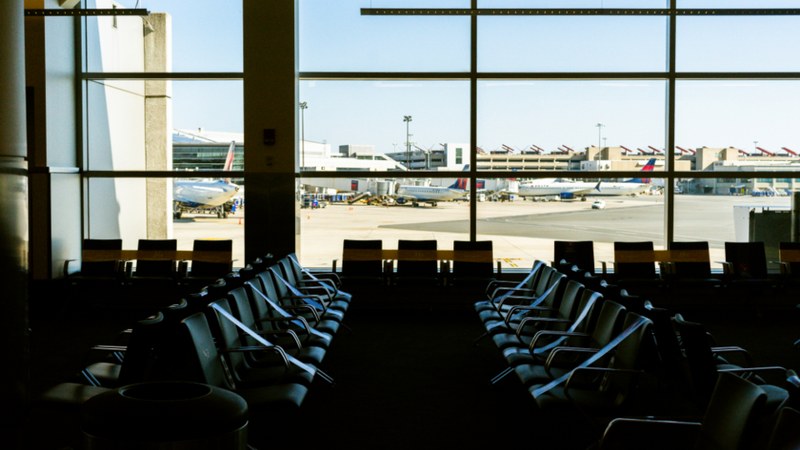
Severe thunderstorms on August 8, 2026, caused the Federal Aviation Administration (FAA) to impose ground stops at Newark Liberty International Airport, John F. Kennedy International Airport, and LaGuardia Airport, resulting in a combined total of 930 canceled flights by late evening. The ground stop was lifted at LaGuardia and JFK at approximately 8:30 PM Eastern Time, while ground stops at Newark and JFK were expected to remain in place until around 10:00 PM ET.
FAA Operational Constraints Extend Delays
Newark Liberty remains under an active FAA delay program with arrivals experiencing average waits of about 1 hour and 15 minutes due to traffic management tied
to weather conditions. Newark operates under an FAA cap limiting airport movements to 72 per hour through October 24, 2026. Additionally, Newark’s radar approach control was transferred from the New York TRACON facility to Philadelphia TRACON in July 2024, altering sequencing during high-demand periods and slowing recovery after disruptions compared to JFK and LaGuardia. The three New York metro airports share arrival corridors managed by a single FAA radar facility, making disruptions at one airport impact all.
Airlines Issue Travel Waivers With Varied Deadlines
American Airlines, Delta Air Lines, United Airlines, JetBlue, Southwest Airlines, and Alaska Airlines issued travel waivers allowing passengers affected by cancellations or delays
to rebook or cancel without change fees. American Airlines’ waiver covers travel from August 7 to 9 for tickets purchased by August 5, with booking changes allowed until August 9 and travel rescheduled through August 13, including Basic Economy fares. Delta’s SkyWatch waiver covers travel on August 6 through 8 with rebooking permitted until August 11. United’s waiver applies for travel between August 5 and 10, with trips required to complete by August 10. JetBlue’s waiver covers tickets booked before August 6 for travel on August 7 with rebooking allowed through August 12. Southwest and Alaska also issued waivers for
August 6-7 disruptions, though their specific terms were unconfirmed at the time of reporting.
Passenger Impact and Refund Rights
Passengers affected by cancellations can rebook flights without change fees until respective deadlines set by their carriers. Federal law mandates full cash refunds when airlines involuntarily cancel flights, regardless of any waivers. Travelers changing between New York airports—Newark, JFK, or LaGuardia—must pay any fare differences, as waivers generally do not cover cross-airport itinerary changes. NJ Transit suspended rail service on August 8 due to storms, complicating ground access to the airports for passengers.
Cause of Disruption and Nationwide Effects
The FAA attributed the disruptions to “severe weather and staffing constraints at the
New York Air Route Traffic Control Center,” located in Ronkonkoma, Long Island, which manages enroute airspace for the region. Severe thunderstorms reduced arrival rates at the three airports, triggering ground delay programs that impacted inbound flights nationwide. On August 7, the day before the storms intensified, 1,990 flight cancellations were tracked nationwide. The cumulative impact of consecutive storm days slowed recovery of airline operations in the New York metro area. Newark’s FAA-imposed operational limits and Philadelphia TRACON’s control of its approach increased the duration needed to restore normal arrival rates compared to JFK and LaGuardia.