WestJet experienced hundreds of flight cancellations across Canada and key international routes following a cabin-crew strike that began due to breakdowns in pay and ground duty compensation talks. The walkout, affecting major hubs including Calgary International Airport, Edmonton International Airport, Vancouver International Airport, and Toronto Pearson International Airport, led to significant schedule disruptions ahead of August 8, 2026.
The strike was authorized on August 2 after flight attendants represented by CUPE Local 8125 voted 99.4% in favor of strike action earlier that month. CUPE Local 8125, representing about 4,400 WestJet cabin crew, ended the work stoppage this week by reaching
a tentative contract agreement with the Calgary-based airline. This deal curtailed the strike’s duration compared to previous Canadian aviation labor disputes.
WestJet Implements Flexible Change and Cancellation Policy
WestJet has maintained a flexible travel policy allowing passengers to make a one-time no-fee change or cancellation for flights scheduled between July 30 and August 4. This policy, initially introduced before the strike, aims to “provide guests with greater flexibility and confidence in their upcoming travel plans,” according to a WestJet communication sent to rewards members. CUPE Local 8125 President Alia Hussain highlighted the airline’s responsibility to accommodate passenger uncertainty during the labor dispute.
Ongoing Operational Recovery Across Hubs
Following the tentative agreement, WestJet
is repositioning aircraft and crews across its major bases in Calgary, Edmonton, Vancouver, and Toronto. The airline is conducting ferry flights to return idle aircraft to strategic hubs, performing maintenance checks, and rebuilding crew schedules while adhering to mandatory duty and rest regulations. Domestic flights between major Canadian cities are resuming faster than longer-haul international and transcontinental routes, where disruptions remain more frequent.
Despite progress, scattered cancellations, delays, and aircraft swaps persist during the recovery phase. Several longer domestic and international sectors still experience operational challenges due to crew and equipment misalignments caused by the multi-day strike. These issues have
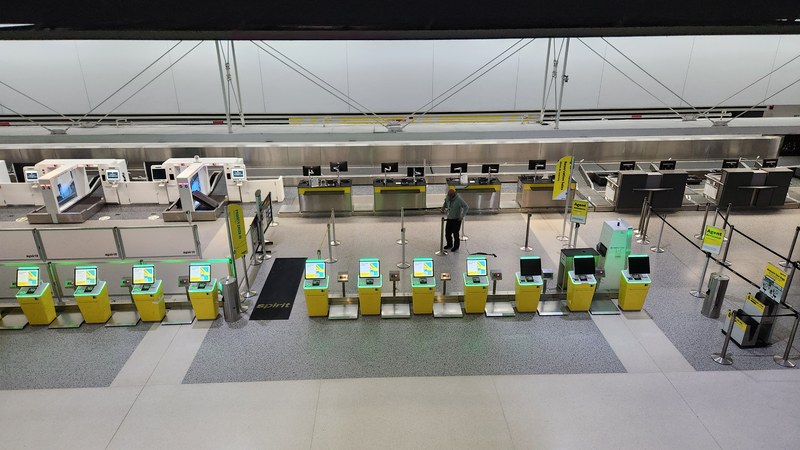
led to busy airport counters and call centers as travelers manage rebookings and wait times.
Passenger Impact and Protection Measures
Passengers affected by cancellations during the strike and recovery period may be entitled to refunds or alternate transport under Canadian air passenger protection regulations. However, classification of strike-related cancellations can be complex. Travelers are advised to retain notification documents, receipts, and any additional expenditure records. WestJet’s ongoing flexible change policy supports affected travelers in adjusting schedules without incurring extra fees.
Statements from WestJet and CUPE
WestJet stated, “We believe that an agreement can be reached while avoiding guest disruption. However, we understand that uncertainty around travel plans can be concerning.”
The airline affirmed its engagement in negotiations to balance cabin crew requirements and company sustainability. CUPE Local 8125 President Alia Hussain remarked on passenger uncertainty caused by the labor action and noted both parties remain committed to finalizing the agreement.