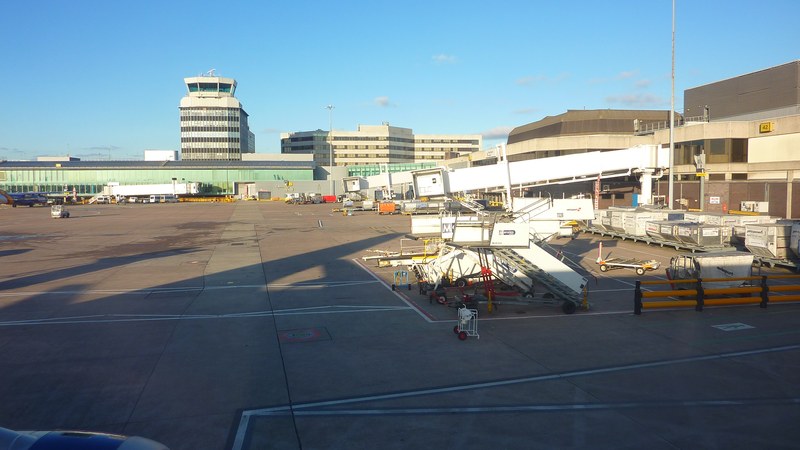
More than 150 flights experienced delays at Sydney Airport on August 8, 2026, with approximately 95 delays within the Qantas network, including around 25 QantasLink services. Virgin Australia flights to and from Sydney were also affected, disrupting schedules in both domestic and international terminals.
Cause of Delays and Air Traffic Control Staffing
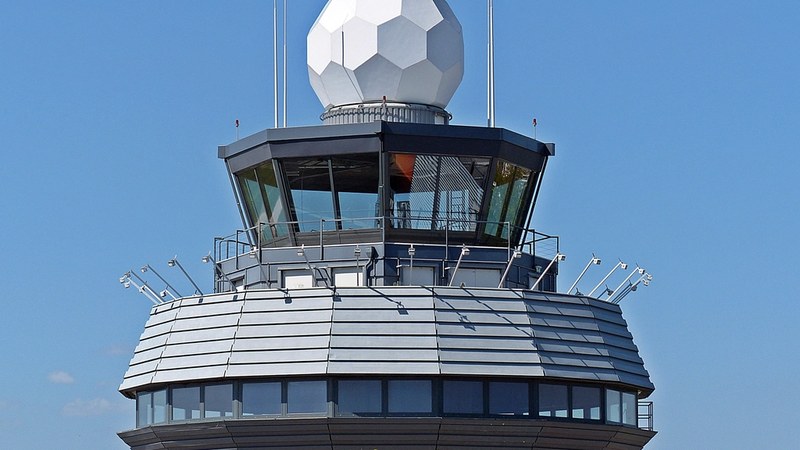
The delays were attributed to a shortage of air traffic control staff and roster constraints at Airservices Australia. To manage the limited air traffic movement capacity, Airservices implemented departure spacing measures at Sydney Airport. A spokesperson for Airservices Australia confirmed these controls were necessary due to roster issues and acknowledged the operational challenge in maintaining an
efficient air traffic control service.
Official Statements on the Situation
Stephen Beckett, CEO of Airlines for Australia and New Zealand, said Airservices Australia struggled to roster enough controllers to operate Sydney’s air traffic control tower efficiently. He noted that the delays affected both international and domestic flights and that Sydney Airport’s status as Australia’s busiest airport meant disruptions had widespread network effects.
An Airservices Australia spokesperson stated, “Airservices acknowledges the ATFM [Air Traffic Flow Management] measures may cause some disruptions to airline scheduling and is working with airlines to reduce delays and the impact on passenger travel as much as possible.” A Sydney Airport spokesperson
said departure spacing was “expected to impact flight schedules across the network and may result in delays.”
Federal Minister for Transport Catherine King said the disruptions caused significant challenges for passengers, staff, and airlines. She requested an explanation from Airservices and a plan for improving service delivery. King also emphasized the difficulty in recruiting and training air traffic controllers amid growing demand, with 95 new controllers expected to join in 2026.
Passenger Experiences During Delays
Passengers reported extended delays and inconveniences. Suzanne Baker, travelling from Sydney to the Sunshine Coast, described the situation as a “real nuisance,” highlighting the impact on her disabled husband
who had to wait for her arrival. Another passenger, Louise, flying to Melbourne, said one-hour delays were common and criticized the failure to fill airport positions adequately, noting the effect on families and other travellers.
Recruitment and Future Staffing Measures
Airservices Australia is addressing the situation by enhancing its training programs to add more air traffic controllers and improve roster depth. The agency is working to resolve workforce flexibility challenges that have contributed to the current roster constraints.
Significance of Sydney Airport to National and International Flight Networks
Sydney Airport is the largest and busiest airport in Australia, making it a critical hub. According to Stephen Beckett, delays originating there have extensive consequences, impacting both
domestic and international flight networks across the country.