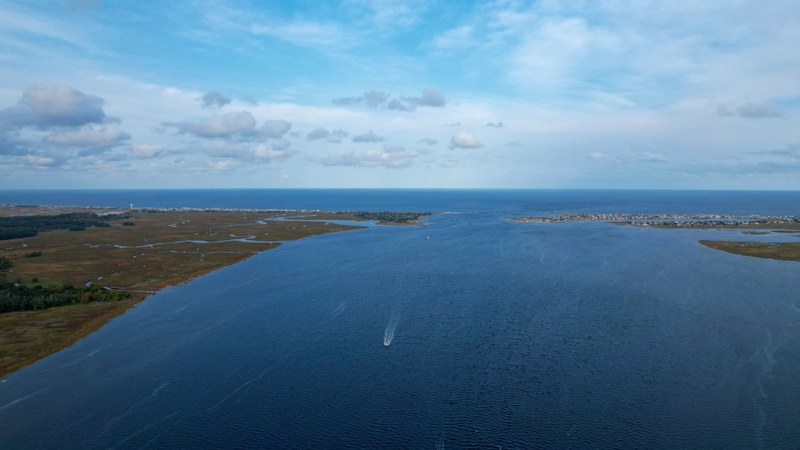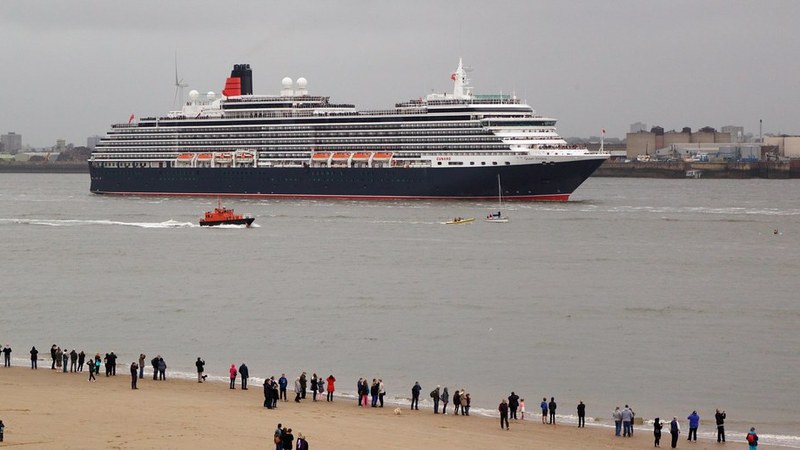
Police evacuated 186 tourists from the Viking Ullur cruise ship after it ran aground on a dried-up section of the Danube River near Vidin, Bulgaria. The ship’s 52 crew members remain onboard as authorities assess refloating options dependent on navigation and water levels, Bulgarian police said.
Record Low Danube Water Levels Across Central Europe
On August 5, 2026, the Danube River’s water level in Budapest reached an unprecedented 23 centimeters (9 inches), breaking the previous low of 33 centimeters documented in 2018, according to Hungary’s national water authority. This measurement reflects severe drought and persistent heat waves that have contributed to significant water losses along the river’s course.
The Hungarian Meteorological Service reported 90-day precipitation totals across Hungary are 80 to 130 millimeters below long-term averages, with temperatures forecasted to climb above 38 degrees Celsius (100 degrees Fahrenheit), intensifying drought effects.
Impacts on River Navigation and Tourism
Low water levels have forced cruise ships in Budapest to dock considerably upriver, and cargo shipping on the Danube has nearly ceased, Hungary’s Ministry of Transport and Investment stated. In Serbia near Novi Sad, the water has receded 15 to 20 meters (50 to 65 feet) from shore, stranding hundreds of small boats and dozens of cargo vessels.
Radovan Segrt, a house boat owner operating excursions near
Novi Sad, said, “The summer season is over now, as far as boat riding is concerned.” Passengers aboard the Viking Ullur experienced shortages of food and water as the vessel could not reach Vidin port for supply replenishment due to shallow shoals.
Effects on Nuclear Power Production
The drought has also affected nuclear power plants reliant on Danube water for cooling. Romania’s Cernavoda power plant shut down one reactor on August 4, 2026, with plans to deactivate another soon, as Danube flow dropped to approximately 1,630 cubic meters per second—about one-third of the average July volume.
Hungary’s Paks nuclear plant, which provides nearly half the
country’s electricity, began powering down a reactor on August 5 due to cooling water limitations after two recent reductions in output from other reactors.
Local Reactions and Forecast
The exposure of the riverbed has revealed objects such as a World War II bomb near Budapest’s Margaret Bridge, leading to temporary closure. Treasure hunter Zsolt Horváth expressed interest in recovering metal objects from the exposed sands, calling the low water level “a blessing for this kind of activity, otherwise, it’s a curse.”
With no significant rainfall expected, drought conditions are projected to worsen, threatening further disruption to navigation, tourism, and infrastructure along the Danube River.