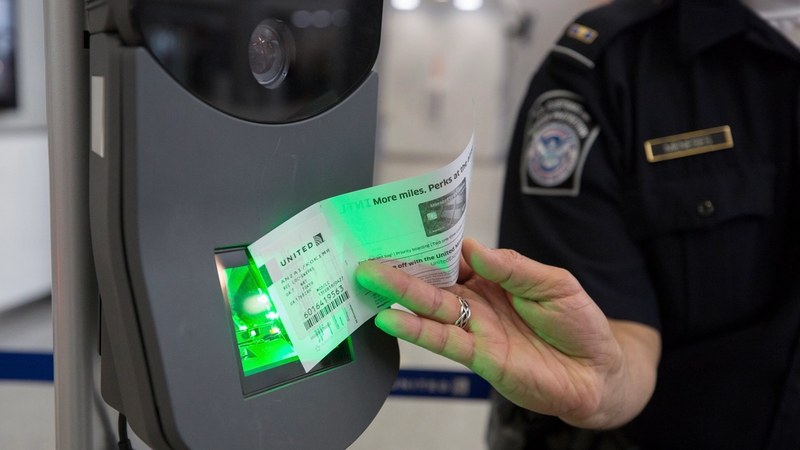
The European Union introduced the biometric Entry/Exit System (EES) in October 2025 at its external borders, impacting 29 participating countries. The system replaces traditional passport stamping for non-EU nationals with biometric data collection to improve security and automate traveler processing across land, sea, and air points of entry and exit.
Biometric Data Collection and Phased Rollout
EES registers passport details along with facial images and fingerprints, recording each traveler’s time and location of entry and exit. First-time travelers from non-EU countries must undergo full biometric enrollment, including comprehensive facial and fingerprint scans. Subsequent entries require fewer biometric checks, facilitating faster processing. The system’s phased introduction allows
member states to progressively integrate individual border posts, aiming for full operational status by spring 2026.
Operational Challenges and Passenger Delays
Since early 2026, multiple Schengen airports have reported passenger queues extending up to two hours during peak periods due to EES processing. Parallel manual and digital checks at some crossing points generate inefficiencies, as border officials alternate between legacy passport stamping and the biometric system. Technology limitations, including a shortage of kiosks and software glitches, exacerbate wait times. Insufficient staffing and the need to assist vulnerable groups such as families and elderly travelers further hinder throughput.
Traveler Impacts and Missed Connections
The extended processing times have caused some passengers
to miss onward flights and endure prolonged border control waits. First-time enrollment requires significantly more time, while repeat travelers benefit from streamlined biometrics. Airlines and airports have issued advisories recommending earlier arrival and preparation for extra time at passport controls. Guidance materials, including airport kiosk maps and instructions, are increasingly provided to ease passenger navigation through the new system.
Official Alerts and Mitigation Measures
Aviation authorities and industry groups have raised concerns about the potential for multi-hour queues during peak seasons if full biometric registration is strictly enforced. The Independent reported calls from these groups to leverage EES’s inherent flexibility to limit the proportion of
travelers undergoing complete biometric capture when congestion peaks. European Parliament documentation confirms that member states may reduce biometric checks temporarily to shorten lines.
Land Border Specific Delays and Infrastructure Upgrades
Land border crossings, notably the Croatia–Serbia route, have seen vehicle queues stretching several kilometers and waits lasting hours during peak summer travel. The Associated Press attributed the backlog to a combination of high seasonal traffic and the added time required for biometric processing. Vehicle arrivals in unsteady waves complicate flow control into kiosks. Infrastructure enhancements including expanded inspection lanes and sheltered waiting areas are underway but incomplete at many land checkpoints.
Transition Challenges and Outlook
With full-scale EES deployment ongoing since
October 2025 and scheduled for completion by spring 2026, border agencies face pressure to coordinate staffing, technology, and passenger handling measures. Early implementation months have tested airports and land crossing posts, highlighting the need for operational adjustments. Continued investments in infrastructure and use of system flexibilities aim to reduce queues and improve processing speeds as familiarity with the biometric system grows.