On August 7, 2026, a temporary system outage at the Federal Aviation Administration’s Minneapolis air traffic control facility disrupted flights across a broad Midwest region. The outage affected air traffic management across a 330,000 square mile area, including Minnesota and nine other states. FAA officials confirmed the systems are restored and operational, but delays persisted for hours after service resumed.
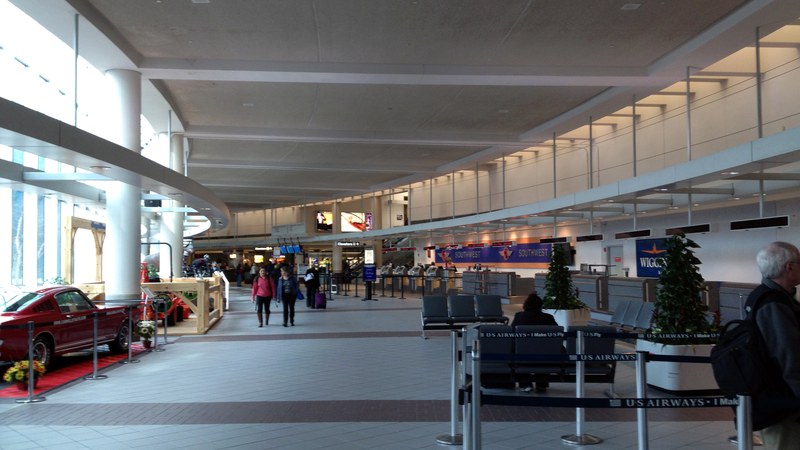
The flight disruptions included ground stops, delays, and diversions impacting Minneapolis-Saint Paul International Airport (MSP), Eppley Airfield in Omaha, and other regional airports across Nebraska, Iowa, Michigan, Kansas, Missouri, North and South Dakota, and Wisconsin. Minneapolis airport reported an average
delay of 90 minutes on the evening of August 7. Flights arriving and departing within this network were held on the ground or rerouted during the outage caused by an equipment failure at the Minnesota FAA control center—not the airport tower itself.
The FAA stated the source of the outage was an equipment failure at their Minneapolis facility but did not provide further technical details. MSP airport confirmed a ground stop issued at 2 p.m. local time on August 6, with some operations resuming by 4:15 p.m. However, residual delays extended through August 7. The Metropolitan Airports Commission said, “Expect
some flight impacts to resume through evening as airlines recover.” Officials at Eppley Airfield advised passengers to contact their airlines before arriving at the airport given ongoing delays.
The Minneapolis FAA air traffic control center governs flights across a vast Midwest zone of 330,000 square miles, which magnified the impact of the outage. Although FAA systems were restored, the volume of delayed and diverted flights caused downstream disruptions that took hours to clear. Airlines gradually resumed normal traffic flow, but travelers faced prolonged delays.
Details regarding the exact number of affected flights or a specific root cause for the equipment
failure have not been released by FAA. The agency focused on confirming the restoration of control systems and managing ongoing delays in the affected states.