Starting in spring 2026, the European Union’s biometric Entry/Exit System (EES) was fully deployed at external borders of the Schengen area, including major airports in 29 participating countries. The system replaces manual passport stamping with digital records of personal details, entry and exit times, locations, and biometric data such as facial images and fingerprints.
EES Implementation and Operational Phases
The EU formally launched EES in October 2025 with a phased rollout allowing border posts to come online incrementally. eu-LISA, the EU agency managing the system’s technical operations, supervises biometric data collection carried out by national border services at airport, land, and sea crossings.
EES aims
to enhance security, automate overstay monitoring, and speed up future border crossings for returning non-EU travelers. During the phased introduction, manual passport stamping was maintained alongside biometric enrollment, increasing processing times at many locations.
Processing Delays and Queues at Airports
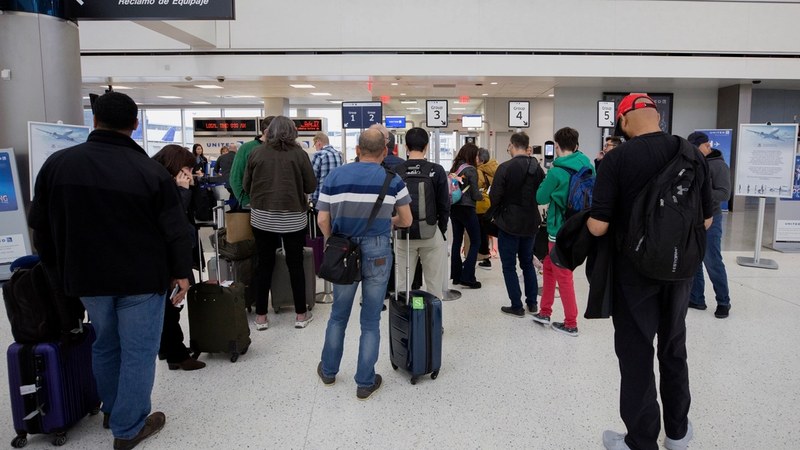
Non-EU passengers who have not previously enrolled in EES face biometric registration that includes fingerprinting and facial scans, resulting in waits of up to two hours at some major Schengen airports in early 2026. This initial registration phase has led to longer passenger queues and contributed to reported cases of missed connecting flights.
The combination of manual stamping alongside biometric capture and the need to operate
multiple IT systems has slowed processing. Technology glitches and a limited number of functional biometric kiosks further exacerbate delays. Border control staffing and biometric infrastructure have not matched the increased processing requirements imposed by EES.
Industry Warnings and Official Responses
Airline and airport industry groups have issued warnings that biometric checks could produce queues extending several hours during peak summer periods if full enrollment is enforced for all eligible non-EU travelers. These groups have urged the European Commission and national governments to utilize EES’s provisions allowing temporary scaling back of biometric data capture to reduce waiting times during congestion.
European Parliament briefings recognize that during
acute queues, national authorities may limit full biometric enrollment to keep lines moving. Travel trade organizations have expressed concern that persistent delays may affect Europe’s appeal to visitors from long-haul markets where rapid electronic gates and e-visas are common.
Delays at Land Borders and Infrastructure Upgrades
Similar processing delays have been reported at land crossings, especially at the Croatia–Serbia border, where holiday season traffic peaked in late July and early August 2026. Multi-kilometer queues and hours-long waits were observed as officers processed mixed flows of EU-bound tourists and non-Schengen residents.
Land border crossings face particular challenges due to unpredictable vehicle arrivals and ongoing upgrades to biometric infrastructure.
These improvements include expanding inspection zones, creating covered waiting areas, and adding dedicated lanes for coaches to better manage passenger flows.
Traveler Guidance and Future Outlook
Official advisories now recommend that travelers arriving at Schengen external borders plan for extra time at passport control, especially if they have not yet completed EES biometric registration. Carriers and airports have updated passenger communications to include reminders about longer processing times and biometric checks.
The EES system intends to streamline future border crossings as repeat visitors will require fewer biometric inputs. However, managing the balance between security and passenger flow remains a critical challenge for European border agencies,
airports, and airlines as the system settles into full operation.