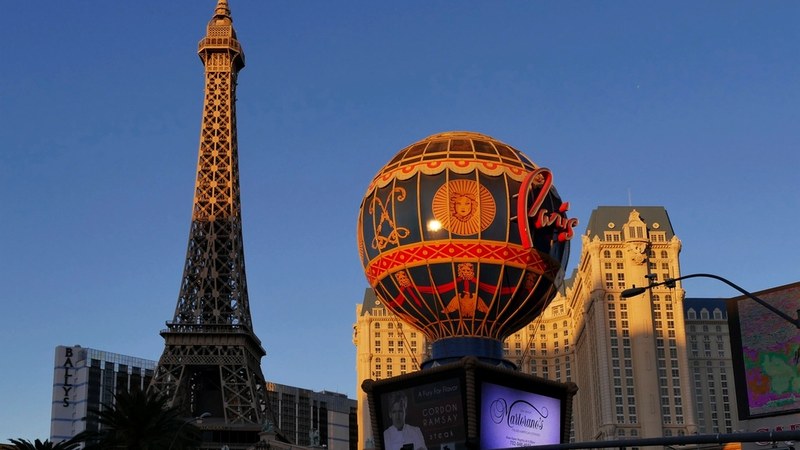
Las Vegas experienced a decline of 3.1 million visitors last year, marking a 7.5% drop in tourism, the steepest since 1970 outside the pandemic period, according to the Las Vegas Convention and Visitors Authority (LVCVA). Nevada’s unemployment rate stood at 5.1% in June, one of the highest rates nationally. Hospitality workers across Las Vegas, including bellmen, cocktail servers, and valets, report substantially reduced earnings due to lowered hotel occupancy.
Trump-Era Tariffs and Canadian Visitor Decline
The tourism downturn has been linked to tariffs imposed during the Trump administration, including those targeting Canada. Visitor numbers from Canada plunged by 17.4% in 2025, the largest decline among North
American markets, as reported by the LVCVA. This decline has pressured Las Vegas hotels and casinos to roll out promotional offers aiming to recapture Canadian tourists.
Impact on Workers’ Income and Tax Policy Criticism
Joe Spica, a 44-year-old bellman on the Las Vegas Strip, noted drastic drops in tip income due to the lower guest volume, stating, “I used to be able to take care of multiple dinners for me and my family with my tips from one day. Now I’m lucky to get a dinner for my tip for one day.” Aaron Mahan, a restaurant employee in Las Vegas since 1988, reported scaling back operations caused by
fewer customers and rising costs, saying, “Everything’s costing more… I’m budgeting a lot more than I ever did before.” The Culinary Workers Union Local 226 spokesperson, Ted Pappageorge, criticized the Trump administration’s “no tax on tips” policy, which allows deductions up to $25,000, as ineffective, especially for married workers sharing the cap. Pappageorge said, “If your tips are down, then this completely wipes anything that the ‘no taxes on tips’ may have gotten folks.” Mahan added the policy offers limited immediate relief since workers do not see benefits until they file their taxes.
Official Responses from Nevada and Washington
Nevada Democratic Senator Catherine Cortez-Masto highlighted a
reversal in the U.S. tourism trade balance, stating, “We have gone as a country from a $51 billion tourism trade surplus in 2019, to now a $70 billion trade deficit in this country on travel and tourism under this administration.” Las Vegas Mayor Shelley Berkley acknowledged the tourism slump but emphasized the city’s convention business and upcoming major sporting events like the Formula One Grand Prix, Super Bowl, and NCAA Final Four as economic supports. Governor Joe Lombardo described the current period as “in the doldrums,” linking revenue declines to reduced tourism, while noting workforce growth in Nevada increased by
1.9% from April 2025 to April 2026. The White House, via spokesman Kush Desai, asserted the administration’s policies have raised wages and created jobs, projecting oil prices and inflation will decrease following a resolution with Iran. Democratic gubernatorial candidate Aaron Ford criticized the current economic environment, stating, “Working families are suffering under this Lombardo-Trump economy… [Lombardo is] trying to sell Nevadans on this lie that the economy is doing great, asking them not to believe their own experiences because the evidence is actually in their wallets.”
Economic Factors Behind the Tourism Decline
The tourism slowdown stems from trade tariffs enacted during the Trump administration, including levies
on Canadian goods and services, which deterred international visitors. Additionally, high gasoline prices, influenced by geopolitical tensions surrounding the Iran conflict, have increased travel costs. Rising living expenses have forced hospitality workers to tighten budgets amidst decreasing tip income, since tips make up a primary part of their earnings. The decline in Canadian visitors, a key segment of Las Vegas’ international market, has amplified the economic strain on the city’s tourism-dependent businesses.