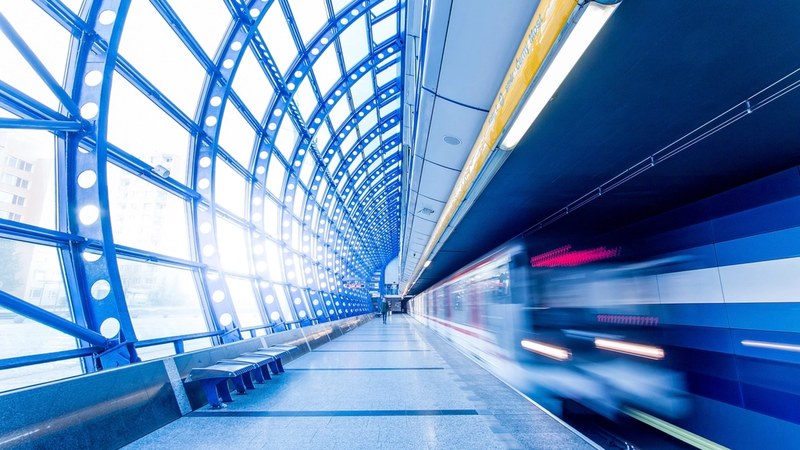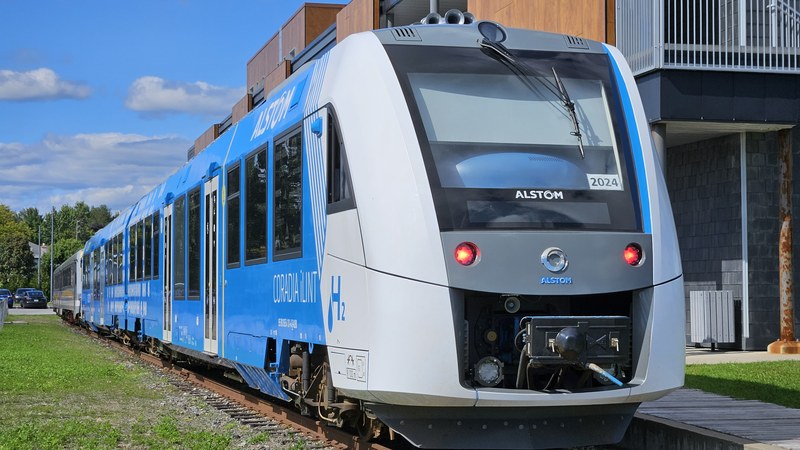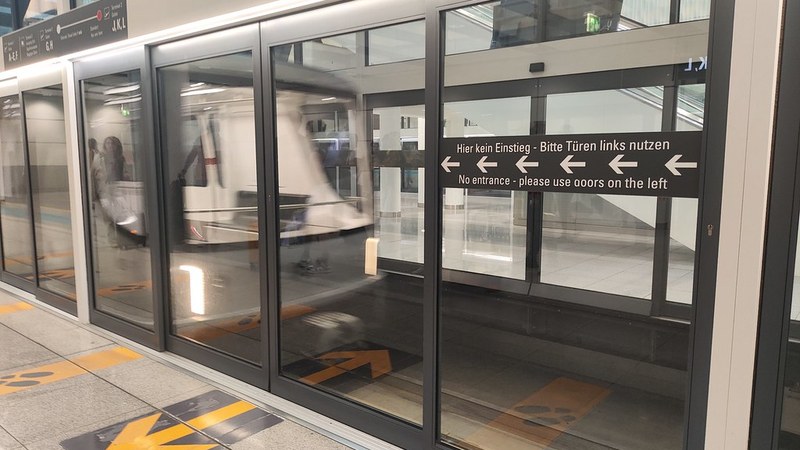
Siemens Mobility has delivered the initial driverless train set for the Western Sydney Airport rail line, a three-car Inspiro HC electric multiple-unit with a total capacity of 645 passengers, including 194 seats. The train, designed for operation under 25 kV 50 Hz AC overhead catenary electrification, arrived at Orchard Hills on August 3, 2026, and is now undergoing static testing to validate electrical, communication, and safety systems before dynamic trials commence later in 2026.
Western Sydney International Airport Opening and Interim Transport Arrangement
Western Sydney International (Nancy-Bird Walton) Airport is set to commence commercial operations on October 25, 2026, with Qantas Freight having started commercial cargo flights in late
July 2026. Jetstar will operate the first passenger flight on opening day, flight JQ362 departing at 11am to Gold Coast. Air New Zealand begins Auckland services on October 26, followed by daily Singapore Airlines flights to Changi starting November 23, 2026.
The Western Sydney Airport Line will not open concurrently with the airport, with rail operations expected to start mid-to-late 2027. To accommodate passengers during this gap, a free interim shuttle bus will run every 30 minutes between St Marys station and the airport terminal, operating from 4:30am to midnight Sunday through Thursday and until 1am on Fridays and Saturdays.
This shuttle service takes approximately 30 minutes per trip compared to the planned 15-minute metro journey.
Automated Train Technology and Safety Features
The Western Sydney Airport Line will operate using Grade of Automation 4 (GoA4) technology, enabling unattended train operation with no onboard driver or attendant. This level of automation relies on Communications-Based Train Control (CBTC) for continuous two-way train-to-infrastructure communication and Automatic Train Operation (ATO) for precise control over acceleration, braking, and door operations.
Platform screen doors are being installed to support safe automated service; as of August 2026, 50% of the total 108 platform screen doors across the six stations have been fitted. The
six stations on the line include St Marys, Orchard Hills, Luddenham, Airport Business Park, Airport Terminal, and Bradfield.
Train Design Tailored for Airport Passengers
The Siemens Inspiro HC train sets measure 67.63 meters in length and 3.19 meters in width, with top speeds reaching 100 km/h. Aisles are roughly 30 centimeters wider than those on Sydney Metro’s existing M1 Line to accommodate wheeled luggage comfortably. Additional features include under-seat luggage bays, designated wheelchair spaces, hearing loops, bicycle spaces, and live flight departure information screens linked directly to airport systems.
Train seat upholstery features artwork titled Ngurra Baduwa by Dharug artists Leanne Watson Redpath, Tina Barahanos, and
Alexandra Byrne, incorporating Indigenous cultural themes related to the Cumberland Plain landscape where the line travels.
Project Funding, Station Progress, and Maintenance Technology
The AU$11 billion Western Sydney Airport Line is a joint venture between the Australian federal government, contributing AU$5.25 billion, and the New South Wales state government. Construction of all six station platforms is complete, with over half of the 40 escalators installed as of mid-2026.
Siemens Railigent X, an AI-based predictive maintenance platform, is integrated into the operation to monitor critical train components in real-time using sensor data. This system aims to reduce maintenance costs by up to 15%, delays by 40%, and achieve
near 100% system availability under the 15-year maintenance contract held by Parklife Metro.