Japan’s former Nara Prison, constructed in 1908 and designated a cultural property in 2017, reopened in June 2026 as a luxury hotel managed by Hoshino Resorts. The site retains its historic identity while operating as Hoshinoya Nara Prison Hotel, offering guests a unique accommodation experience inside a preserved heritage building originally built as one of the first five Western-style detention facilities designed by Japan’s government during the Meiji era.
Hotel Conversion and Design Details
The hotel complex covers 25 acres and features a star-shaped layout formed by five detention wings radiating from a central command post. The renovation took nearly seven years to complete, balancing
preservation of architectural elements with modern hospitality needs. The property also houses the Nara Prison Museum. The prison complex includes a Romanesque-style main gate, a two-story administrative building, and a central watch house with visibility over all five prison wards.
Guest Rooms and Preserved Features
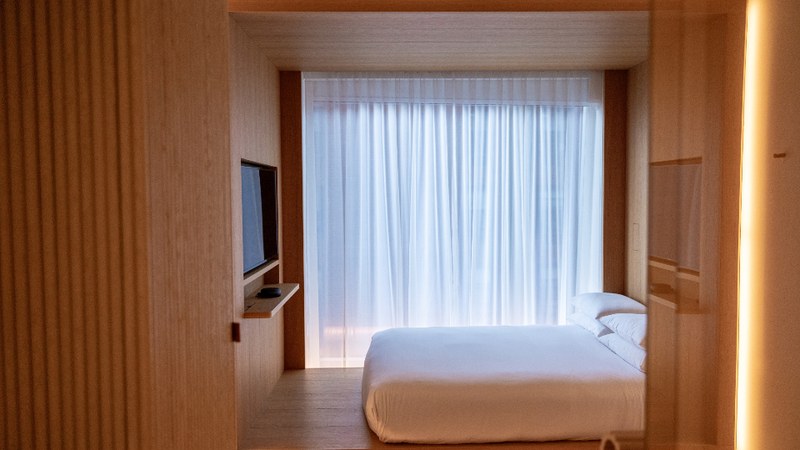
Former prison cells have been transformed into guest rooms, some combined to create larger units. The largest accommodation type is the “11-Cell Deluxe,” which includes a living room and dressing lounge. Starting rates begin at $245 per night with seasonal variations. Original design elements such as hand-laid brick walls, ceiling moldings, green wooden cell doors with inspection slots, ventilation hatches,
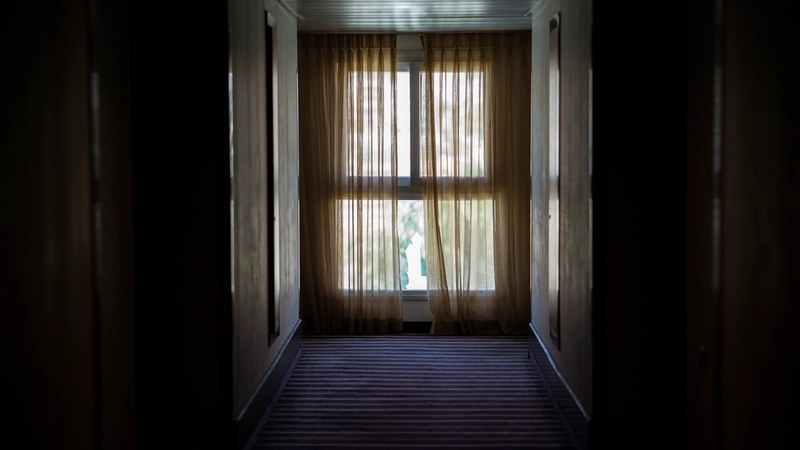
room numbers, steel beams, and skylights have been maintained throughout the hotel. Hallways retain many original prison details. Single-occupancy cells contained a toilet, sink, window, and heavy wooden door without knobs, preventing opening from inside even when unlocked.
Cultural Use and Historical Background
The prison served as a filming location for two episodes of the second season of Netflix’s Japanese series “Alice in Borderland,” particularly scenes involving a character trapped in a penitentiary. Situated in Nara city, east of Osaka, the prison was renamed Nara Juvenile Prison in 1946 and housed inmates aged 16 to 26, who learned vocational skills such as hair cutting and
license plate manufacturing. At its peak capacity, the site held approximately 635 inmates.
Hotel Management and Tourism Impact
Masaya Kakegawa, general manager of Hoshinoya Nara Prison Hotel, said the hotel appeals to international visitors attracted by its architectural and cultural significance. He stated, “Rather than hiding its past, we wanted guests to physically feel that history as they move through the space.” Kakegawa also expressed hope that the hotel would shift Nara’s image from a day-trip destination to one encouraging overnight stays: “We hope this facility serves as a catalyst for shifting towards stay-based tourism, helping to showcase Nara’s full charm to the world.”